
Last updated November 3, 2026
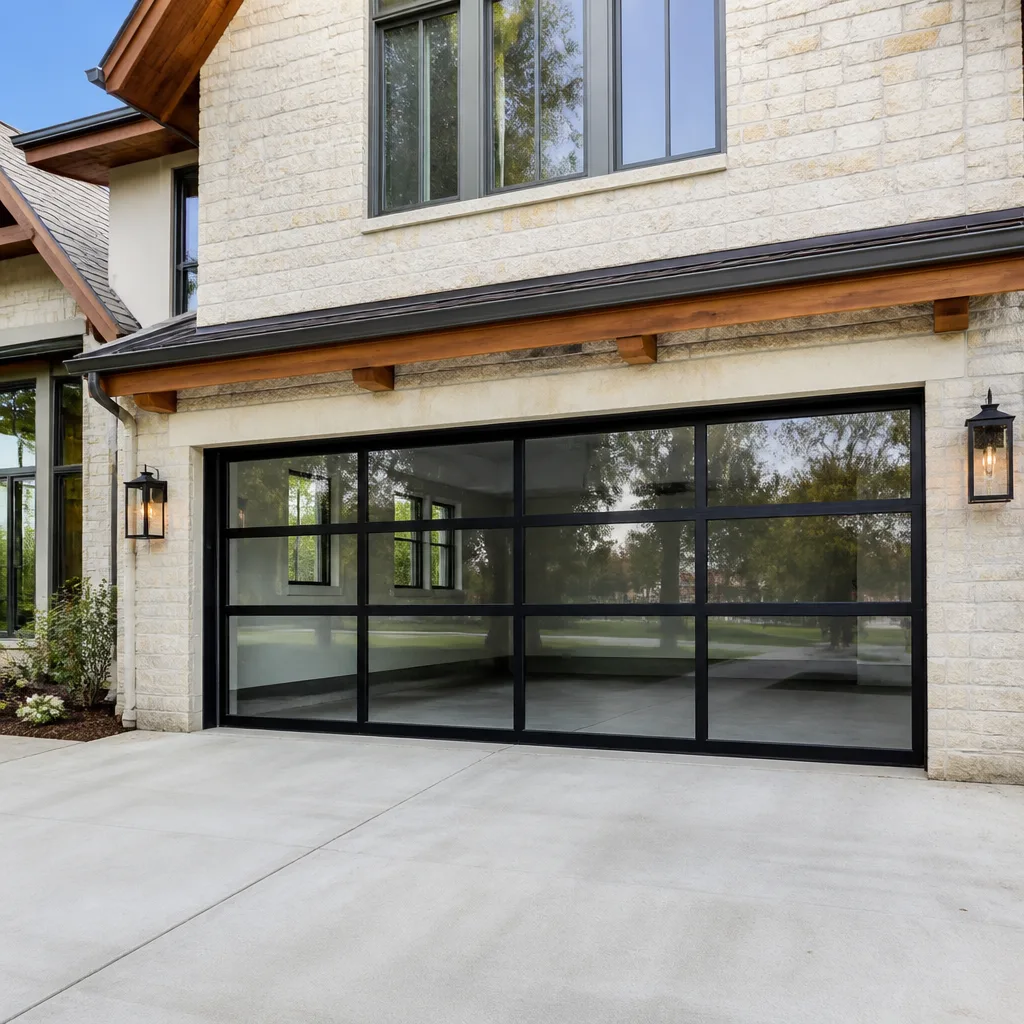 Full-view glass
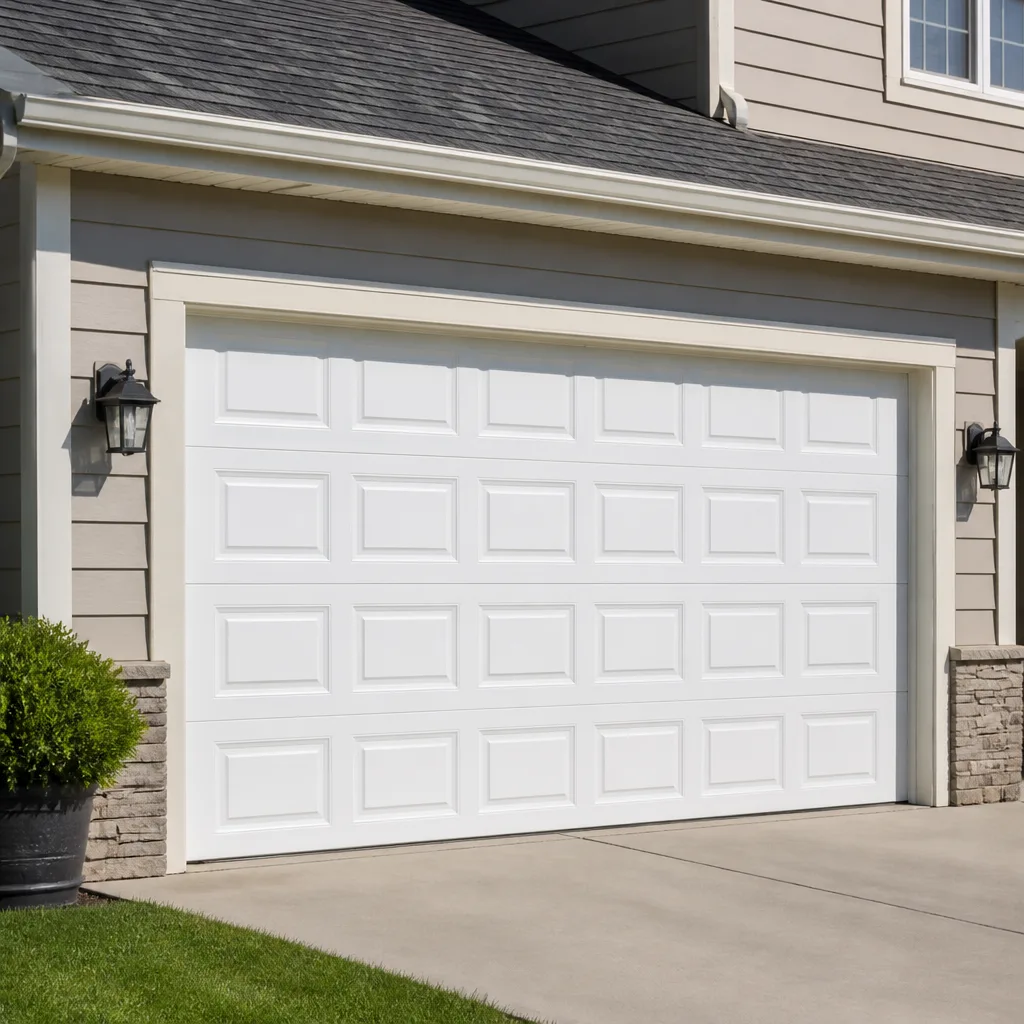 Raised-panel steel
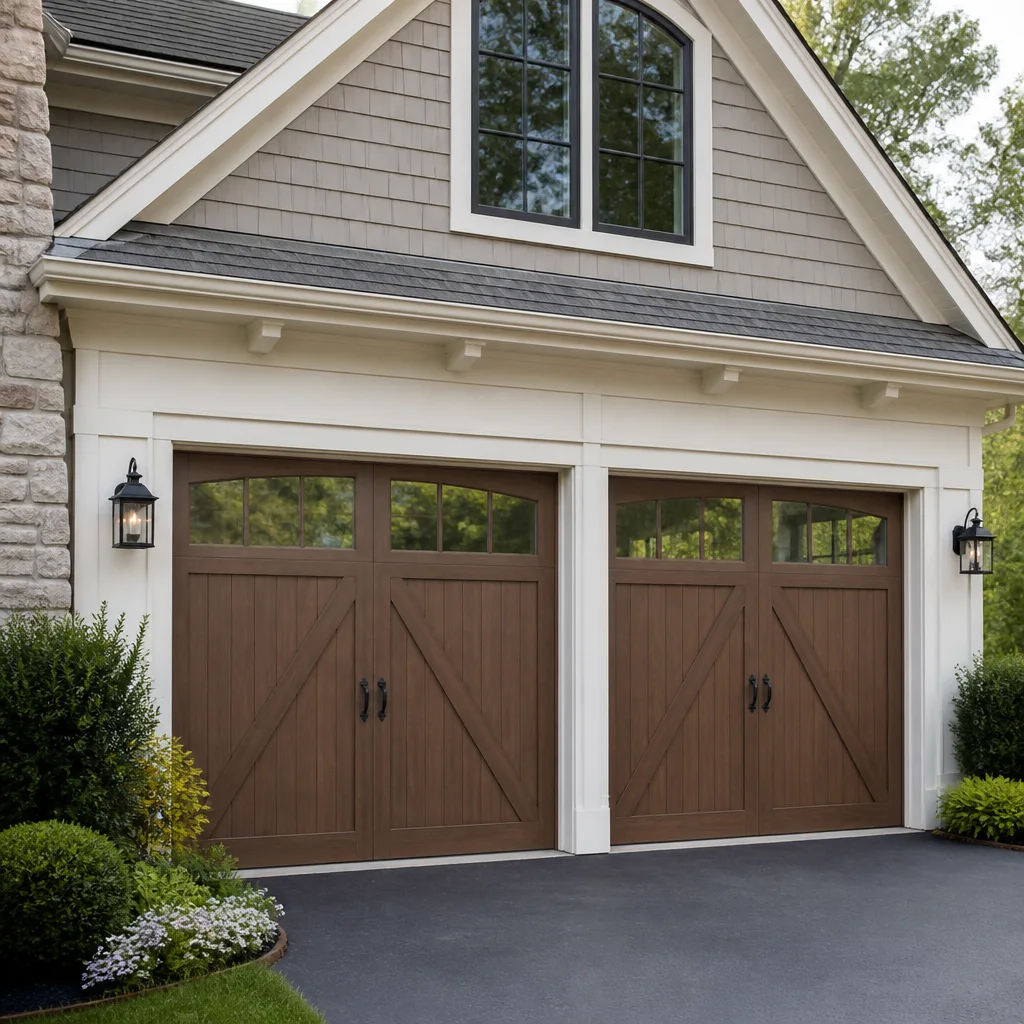 Carriage house
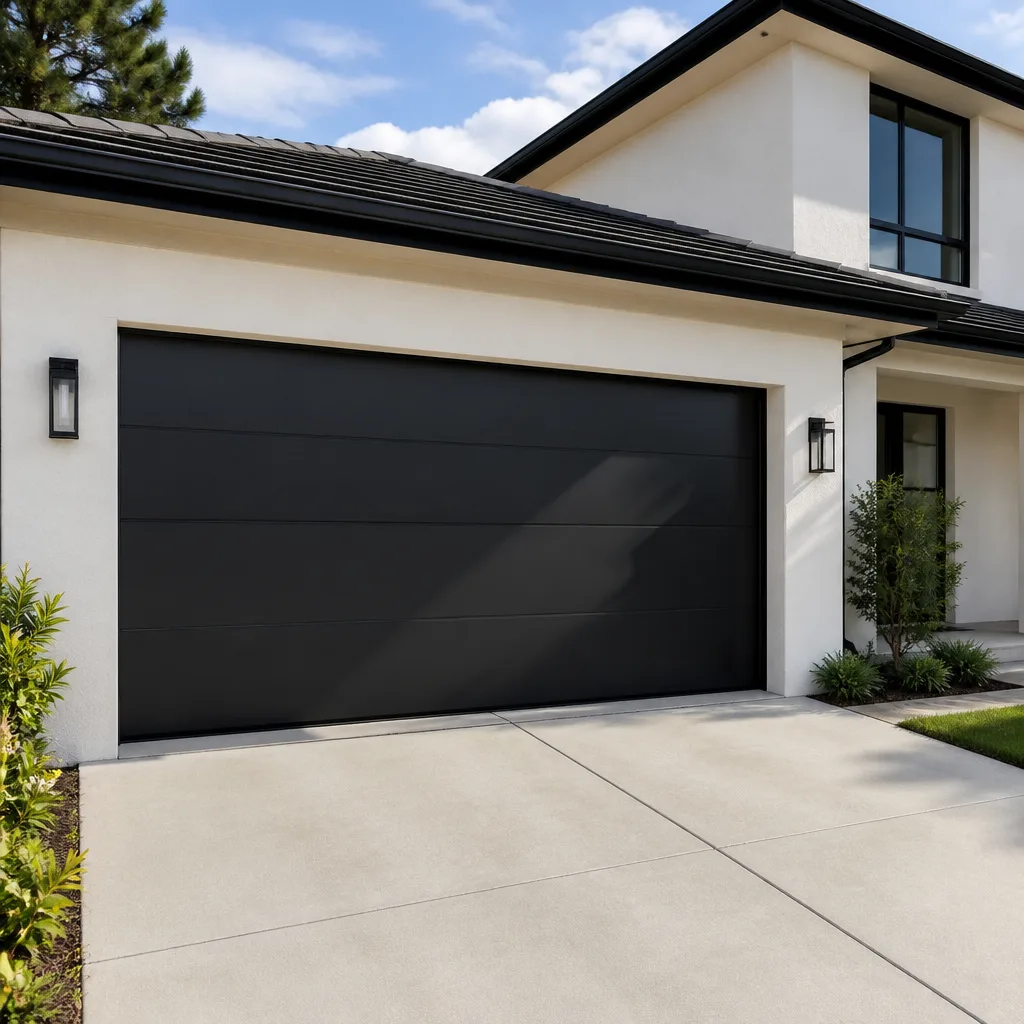 Modern flush
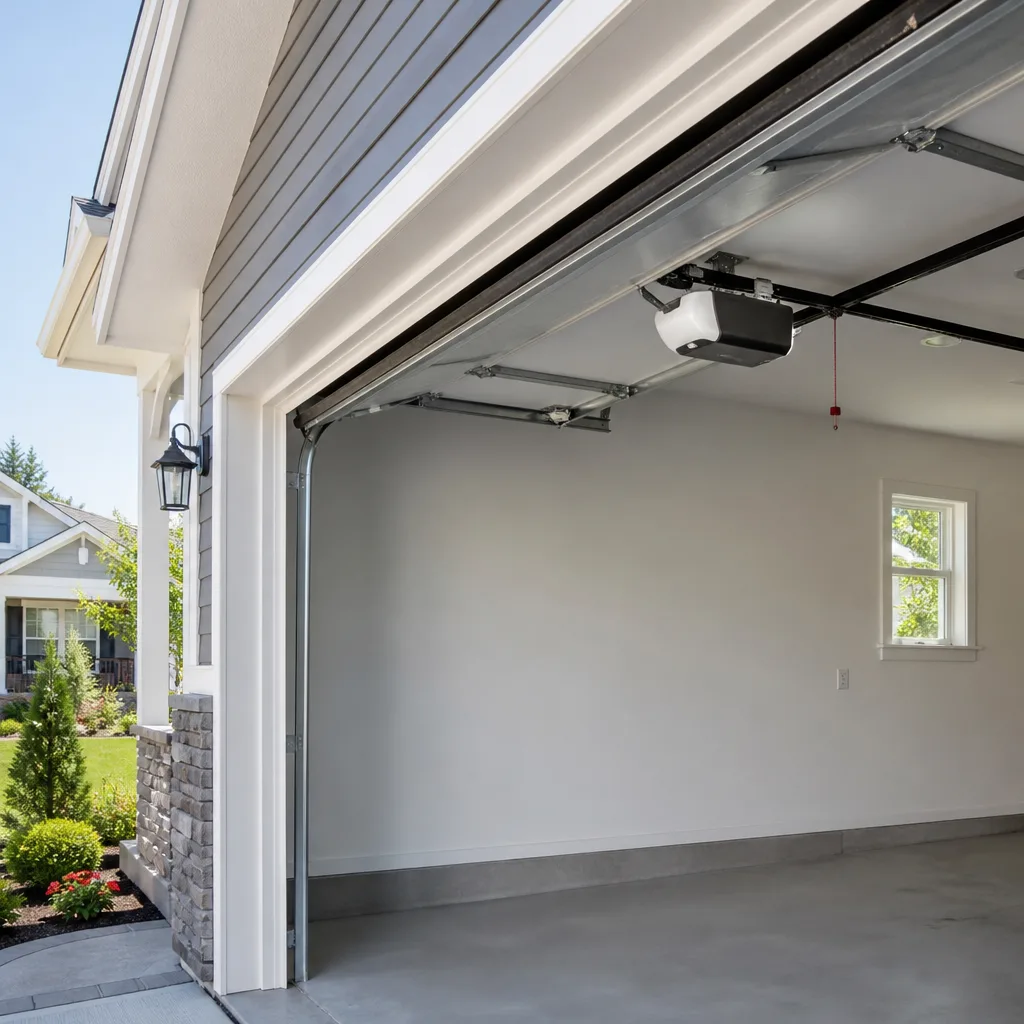 LiftMaster openers
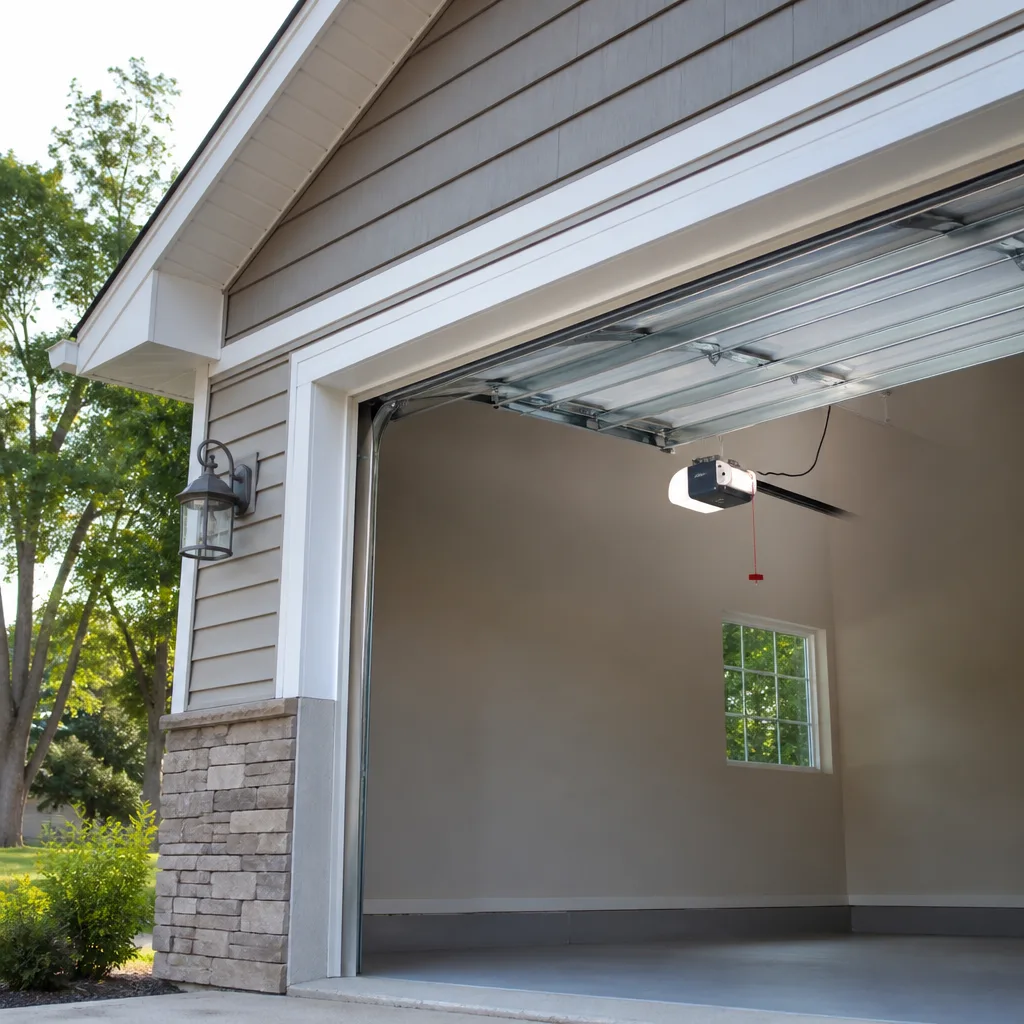 Chamberlain openers
Full 25-point door and opener safety check with every visit - springs, cables, rollers, tracks, and your LiftMaster or Chamberlain opener included
You get a price before we start. It does not change when the truck arrives.
Get your free estimateThe Complete Garage Door Repair Guide for Lake View Terrace Homeowners
Most garage door guides are written for the Midwest. Lake View Terrace sits in a sun-baked valley where summer temperatures regularly push past 100°F, and that heat alone is responsible for a majority of spring failures, cable fraying, and opener motor burnouts locals experience. This guide maps every major repair category to the specific conditions that actually cause them here, from the dust that settles into tracks after Santa Ana winds to the hillside lots that shift doors out of alignment years before flat-land doors would. You’ll learn which failures you can address safely, which demand same-day specialist attention, and how to time maintenance to the local climate cycle instead of a generic four-season model.
Styles & brands we work with
- Raised-panel steel
- Carriage house
- Modern flush
- Full-view glass
- LiftMaster openers
- Chamberlain openers
Quick Answer
Garage door repair in Lake View Terrace typically costs between $150 and $450 for most spring, cable, and roller replacements, with opener motor or circuit board work running $200 to $600 depending on the model. The most common local failure is torsion spring breakage from extreme heat cycling, and this is a repair that requires a specialist because the springs hold enough tension to cause serious injury. Whitfield Garage Door Repair provides free estimates throughout Lake View Terrace and can diagnose most doors the same day you call.
Table of Contents
- How Lake View Terrace Heat Affects Your Garage Door
- Torsion vs. Extension Springs: What the Heat Actually Breaks
- Hillside Lots and Track Alignment Problems
- Dust, Nylon Rollers, and Why They Wear Out Early
- Opener Motor Burnout and Electronics Failure
- Repair Priority Matrix: DIY, Same-Day Specialist, or Code Issue
- Local Permit and HOA Considerations for Lake View Terrace
- Seasonal Maintenance Checklist for the San Fernando Valley Climate
- Common Mistakes to Avoid
- When to Call a Professional
- Frequently Asked Questions
- The Bottom Line
How Lake View Terrace Heat Affects Your Garage Door
Lake View Terrace gets hot in a way that most of the country doesn’t understand. Summer days routinely climb past 100°F, and uninsulated garages can reach 120°F or higher by mid-afternoon. Your garage door is a large metal surface absorbing that heat for hours, and the components inside are not immune.
The spring system is the most vulnerable. Torsion springs are rated for a specific number of cycles, usually 10,000, but that rating assumes moderate temperatures. In sustained Valley heat, the metal fatigues faster than manufacturers anticipate. We regularly replace springs in Lake View Terrace that have lasted only five or six years, where the same spring in a coastal climate would go eight to ten. It’s not a defect in the spring. It’s the environment.
The heat also affects lubricants. Standard garage door grease thins out at high temperatures, dripping off the torsion tube and leaving the coils to rub against each other dry. That friction accelerates wear and causes the spring to snap without warning. Cables suffer similarly. The thin steel strands expand and contract with daily temperature swings, and over a few summers, that repeated stress frays the cable at the pulley points.
Beyond the mechanical parts, the heat warps wooden doors and delaminates older panel styles. If you have a south-facing door on a hillside lot in Lake View Terrace, the afternoon sun hits it directly for hours. That’s the hardest position for any door to be in.
Torsion vs. Extension Springs: What the Heat Actually Breaks
Lake View Terrace homes built before the early 2000s often have extension springs running along the horizontal tracks. Newer construction generally uses torsion springs mounted on a tube above the door opening. Both fail here, but for different reasons.
Torsion springs snap because of metal fatigue accelerated by heat cycling. When one breaks, you’ll hear it. It sounds like a gunshot in the garage. The door won’t open more than a few inches, or it will feel impossibly heavy when you try to lift it manually. That weight is the full dead load of the door, and it’s a real hazard.
Extension springs stretch and lose tension gradually. The failure is less dramatic but easier to miss. The door drifts down after opening, or one side hangs lower than the other. Left unchecked, a stretched extension spring puts uneven load on the cables and can yank a cable drum loose.
Neither spring type is a DIY repair. Torsion springs hold hundreds of pounds of torque even when the door is down. A winding bar that slips can break an arm or worse. Extension springs have similar stored energy. If you suspect spring failure in your Lake View Terrace garage, the safe move is to leave the door closed, unplug the opener, and call a specialist who carries the right spring on the truck.
Hillside Lots and Track Alignment Problems
Lake View Terrace isn’t flat, and neither are many of its garage floors. Hillside homes settle, and garage slabs shift. That movement transfers straight into the vertical and horizontal tracks that guide the door. The result is a door that binds halfway up, scrapes against the track, or jumps off the rollers entirely.
This is a failure pattern that flat-lot garage door guides never address. When a slab settles even half an inch at one corner, the entire door plane tilts. The tracks, which were installed square to the original floor, are now fighting the door’s actual path of travel. Homeowners misdiagnose this constantly. They think the rollers are bad or the opener is weak. What’s actually happening is that the tracks need to be re-shimmed to match the settled floor.
We see this in the older hillside sections of Lake View Terrace more than anywhere else in the northeast Valley. The fix involves loosening the track brackets, checking the door’s balance with the springs, and re-aligning the vertical sections so the door rides true. It’s not a job for a wrench and patience. It requires knowing how much adjustment each track section can take before the cables get out of sync.
Dust, Nylon Rollers, and Why They Wear Out Early
The San Fernando Valley is dusty. Lake View Terrace gets its share of that dust, plus whatever blows in from the Hansen Dam basin and the foothills of the Angeles National Forest. That dust settles inside your garage door tracks and turns into a grinding paste when mixed with whatever lubricant is already there.
Nylon rollers are the standard on modern doors, and they’re supposed to last 10 to 15 years. In Lake View Terrace, we replace them closer to every 6 or 7. The dust works into the ball bearings inside the roller, and the nylon wheel itself develops flat spots from rolling through debris. A worn roller doesn’t slide smoothly along the track. It chatters, vibrates, and eventually binds the door mid-travel.
The rollers on a LiftMaster or Chamberlain opener-equipped door aren’t any more resistant to this than other brands. What matters is the bearing quality inside the roller. Sealed bearings last longer than unsealed, and they’re worth the extra few dollars when you’re replacing rollers in this dust.
You can check your rollers without touching the springs. Look at the point where each roller meets the track. If the nylon is cracking, chipped, or visibly flattened, the roller is done. Track cleaning is something you can do safely with a dry rag and no lubricant, as long as you stay away from the spring assembly.
Opener Motor Burnout and Electronics Failure
Garage door openers in Lake View Terrace fail in predictable ways. The motor burns out when the door’s springs are weak or broken and the opener keeps trying to lift the full weight. The logic board fries when heat builds up inside the motor housing on a 110°F afternoon. The capacitor that gives the motor its starting jolt dries out in the heat and leaves you pressing the button to nothing but a click.
Genie and Raynor openers, like the Chamberlain and LiftMaster models we service, are all susceptible to the same environmental stress. What differs is how their electronics respond. Some boards shut down cleanly when they overheat. Others fail intermittently, working in the morning and dying by 3 p.m. That’s a classic Valley heat signature.
The first thing to check when an opener misbehaves is the door’s balance. Disengage the opener with the red emergency cord and try lifting the door by hand. If it feels heavy, the problem is the door, not the opener. A door with good springs should move smoothly through its travel with one hand. If the door is balanced but the opener still struggles, the issue is likely the motor or the board.
Replacing an opener is an opener repair decision, not a door repair decision, and it’s one where brand knowledge matters. We diagnose these units by their actual failure patterns, not by guesswork.
Repair Priority Matrix: DIY, Same-Day Specialist, or Code Issue
Not every garage door problem requires a specialist, and not every problem is safe to touch. Here’s how we categorize the failures we see in Lake View Terrace.
- DIY-Safe: Cleaning tracks with a dry rag, clearing debris from the photo-eye lens, testing the auto-reverse function, tightening loose hinges with the door in the down position, and replacing the opener remote batteries. These are accessible, low-risk tasks that don’t involve spring tension.
- Same-Day Specialist: Broken torsion spring, snapped cable, door off its tracks, opener that refuses to engage while the door sits halfway open. These failures leave your home unsecured and your door unusable. A specialist needs to address them before the end of the day, both for security and to prevent secondary damage to the panels or opener.
- Code or Liability Issues: Any repair involving the spring assembly on a door over 150 pounds, any work requiring modification to fire-rated separation between the garage and living space, and any installation on a hillside lot that requires engineered anchoring. These are situations where a failed repair creates a safety hazard or a building code violation.
The line between category one and category two is spring tension. If the repair requires touching anything connected to the springs, cables, or bottom brackets, call a specialist. The risk isn’t worth the savings, and in Lake View Terrace, a door that sits half-open is an invitation to every heat-driven pest and dust storm in the area.
Local Permit and HOA Considerations for Lake View Terrace
Lake View Terrace falls under Los Angeles city building codes, but parts of the surrounding area are unincorporated LA County territory with different enforcement. If you’re replacing a door on an existing single-family home, you generally don’t need a permit for a like-for-like swap. If you’re widening the opening, adding a second door, or making structural changes to the header, that’s a different conversation.
Some hillside neighborhoods in Lake View Terrace have HOA architectural review committees that require approval before a door’s color or material changes. Even without a formal HOA, the visual character of a street matters here, and swapping a solid wood door for a modern steel one can draw attention. It’s worth checking your deed restrictions before you pick a panel style.
For repairs, the permitting picture is simpler. Replacing springs, cables, rollers, or an opener doesn’t require a permit in Lake View Terrace city limits. What it requires is a licensed professional who knows the garage door repair requirements in Lake View Terrace and can install everything to current code. That includes the auto-reverse safety system, which is a federal requirement, not a local preference.
Seasonal Maintenance Checklist for the San Fernando Valley Climate
The generic four-season maintenance model doesn’t work here. Lake View Terrace has two real seasons: hot and dry, then cooler and windy. Your garage door maintenance should follow that rhythm.
- Late spring, before the worst heat: Have the springs inspected and lubricated with a high-temperature grease. Test the balance and auto-reverse. Check the photo-eyes for alignment and clean the lenses.
- Mid-summer, during heat waves: Listen for squeaks or grinding. Heat thins lubricant, so if you hear metal-on-metal, the grease has failed and needs refreshing. Check that the opener’s ventilation slots aren’t blocked by dust.
- Fall, when the Santa Anas start: Clean the tracks and rollers. The winds drive dust into every gap. Check the weatherstripping at the bottom of the door for cracking.
- Winter, during the cooler months: Inspect cables for fraying where they wrap around the drums. Test the door’s balance again. Cold doesn’t bother these doors the way heat does, but the accumulated wear from summer shows up now.
This is a maintenance rhythm we recommend to every homeowner in Lake View Terrace because it matches what the climate actually does, not what a Northeastern maintenance calendar assumes.
Common Mistakes to Avoid
- Lubricating the tracks. Tracks don’t need grease. Grease in tracks collects dust and turns into grinding paste. Lubricate the rollers, hinges, and springs only.
- Ignoring a slow opener. If the opener is slowing down, the door is usually off-balance and the motor is straining. Waiting turns a $40 roller replacement into a $400 opener replacement.
- Replacing the opener when the springs are broken. A new opener can’t lift a door with no spring tension. Fix the door first, then evaluate the opener.
- Adjusting the cable drums without releasing the spring tension. This is how hand injuries happen. The cables are under spring load even when the door is fully open.
- Buying parts online without checking the brand compatibility. A Chamberlain gear won’t fit a Genie opener, and a Clopay hinge won’t match a Raynor panel. Buying by price instead of part number creates a return trip and more downtime.
- Skipping the auto-reverse test. The auto-reverse system is the difference between a garage door and a 300-pound guillotine. Test it monthly with a roll of paper towels in the door’s path.
- Waiting on a broken spring. A door with one broken spring puts twice the load on the other spring, which then fails too, usually inside the same month. The second failure is what sends the door off the tracks.
When to Call a Professional
If you hear a loud bang from the garage and the door won’t open, call a specialist. That’s a torsion spring, and it’s done. If the door hangs crooked, binds at a specific point, or the opener runs but the door doesn’t move, the same applies. If you’re in a hillside part of Lake View Terrace and the door that worked for years now scrapes against the track, don’t force it. Forcing a misaligned door bends the tracks and turns a shim job into a full track replacement. New door installations and opener replacements should always be handled by someone who can verify the door’s balance, safety systems, and code compliance before they leave. Whitfield Garage Door Repair offers free estimates in Lake View Terrace. Call (866) 282-6912 and we’ll tell you what’s wrong and what it costs before any work starts.
Frequently Asked Questions
Torsion spring replacement in Lake View Terrace typically runs $180 to $340 for a standard two-spring system, including parts and labor. The exact price depends on the spring size, the door weight, and whether one or both springs need replacement. Call (866) 282-6912 for an exact quote, and we’ll confirm the price before starting any work.
Yes, most spring, cable, and roller repairs can be completed the same day in Lake View Terrace, especially when we’re contacted before early afternoon. Broken springs and off-track doors are priority calls because they leave your home unsecured, so contact our Garage Door Repair services as soon as possible. The price is always quoted and approved before work begins.
Summer heat in the San Fernando Valley accelerates spring fatigue, thins lubricants, and overheats opener electronics. Metal expands at high temperatures, and sustained 100°F-plus days push components past their designed tolerances faster than the manufacturer’s cycle ratings would suggest. That’s why summer is the peak season for garage door failures in Lake View Terrace, as covered in The Complete Guide to Garage Door in Lake View Terrace.
A standard torsion spring rated for 10,000 cycles may last only five to seven years in Lake View Terrace due to extreme heat cycling, compared to eight to ten years in coastal climates. If your springs are over five years old and you’ve noticed the door feeling heavier, a preventive replacement is cheaper than an emergency repair, as explained in our DIY vs Professional Garage Door: The Lake View Terrace Homeowner’s Decision Guide.
Whitfield Garage Door Repair services eight major garage door and opener brands: LiftMaster, Chamberlain, Genie, Clopay, Amarr, Wayne Dalton, Craftsman, and Raynor. If your door is one of these brands, we know the specific failure patterns and can diagnose it accurately. Call (866) 282-6912 to describe what you’re seeing.
No. We quote a specific price over the phone or at the door before any work starts, and that price doesn’t change unless we discover something significant that wasn’t visible during the initial assessment, in which case we stop and get your approval before proceeding. No surprises, no invoice that’s bigger than the quote.
The Bottom Line
Lake View Terrace garage doors fail differently than doors anywhere else in Los Angeles. The heat breaks springs, the dust grinds rollers, and the hills settle slabs out of alignment. A generic repair guide won’t tell you that, and a generalist handyman won’t diagnose it correctly on the first visit. The smartest move is regular maintenance timed to the Valley’s actual climate, a repair-first philosophy that fixes what’s broken before selling you a new door, and a specialist who knows your specific brand. For free estimates and same-day diagnosis, Whitfield Garage Door Repair home is your direct line to a Lake View Terrace garage door specialist.
Written by the team at Whitfield Garage Door Repair, serving Lake View Terrace since 2012. Explore more guides & resources.
See the difference
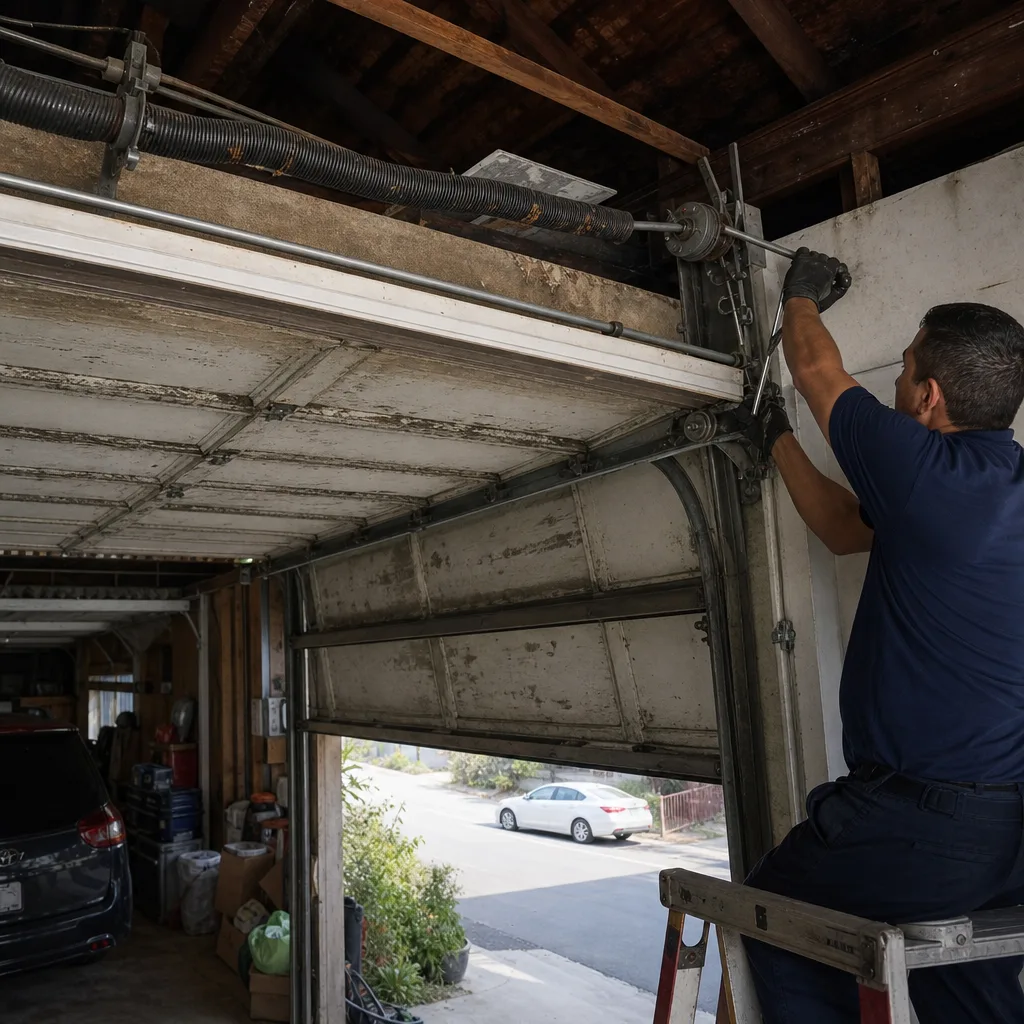 Before
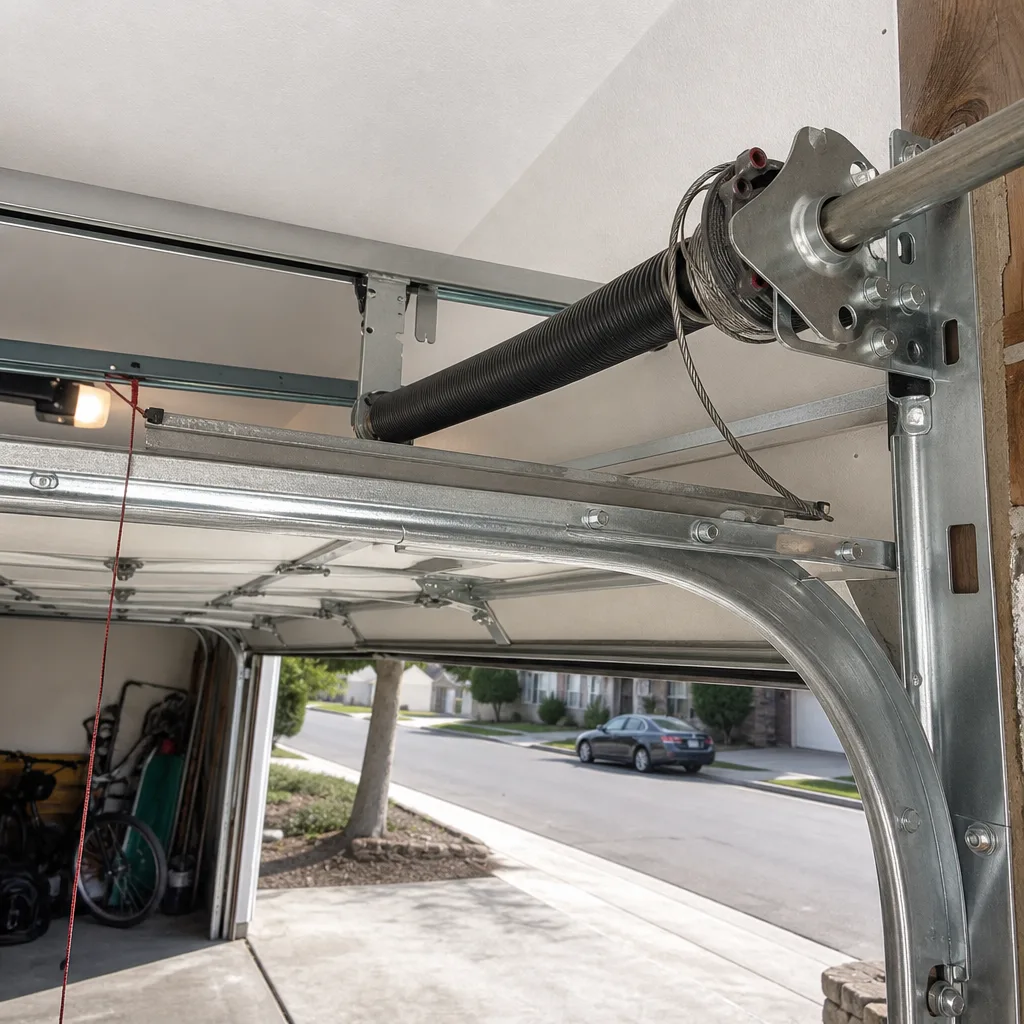 After
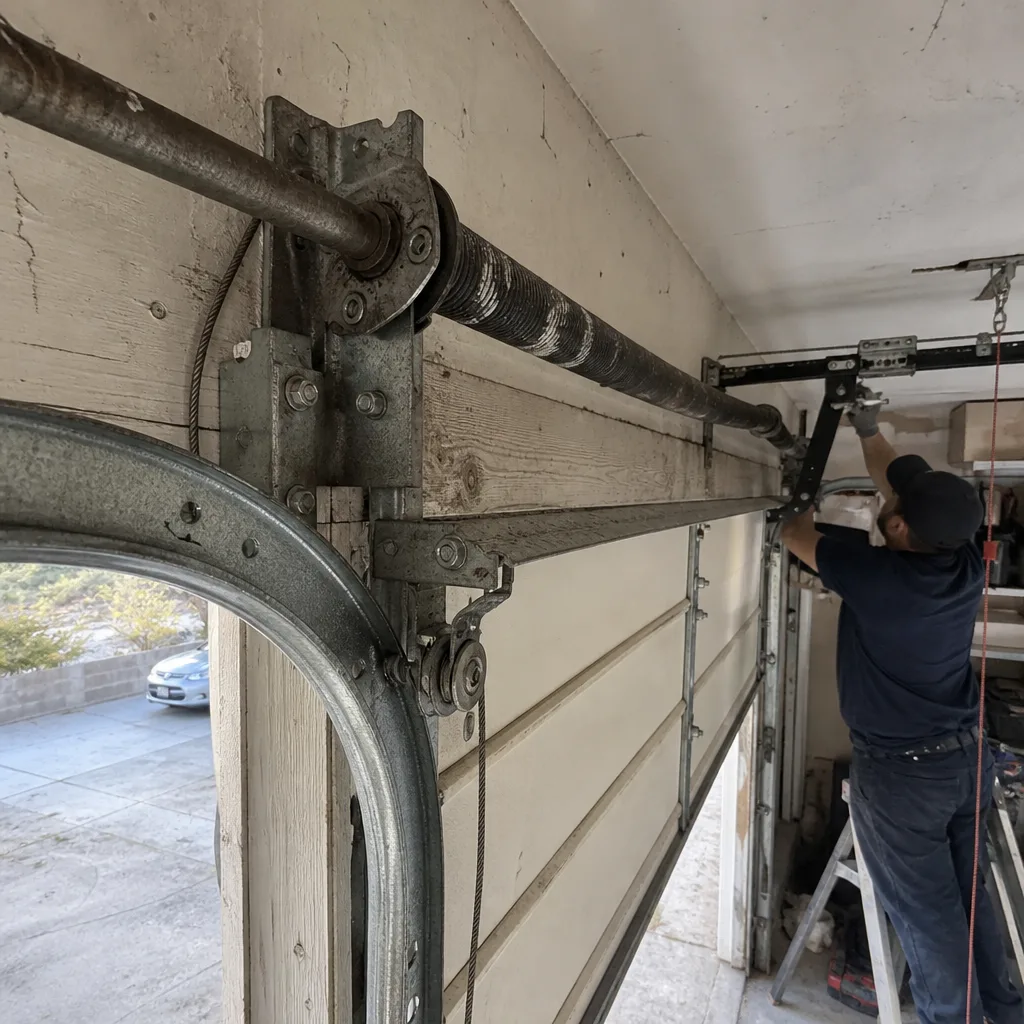 Before
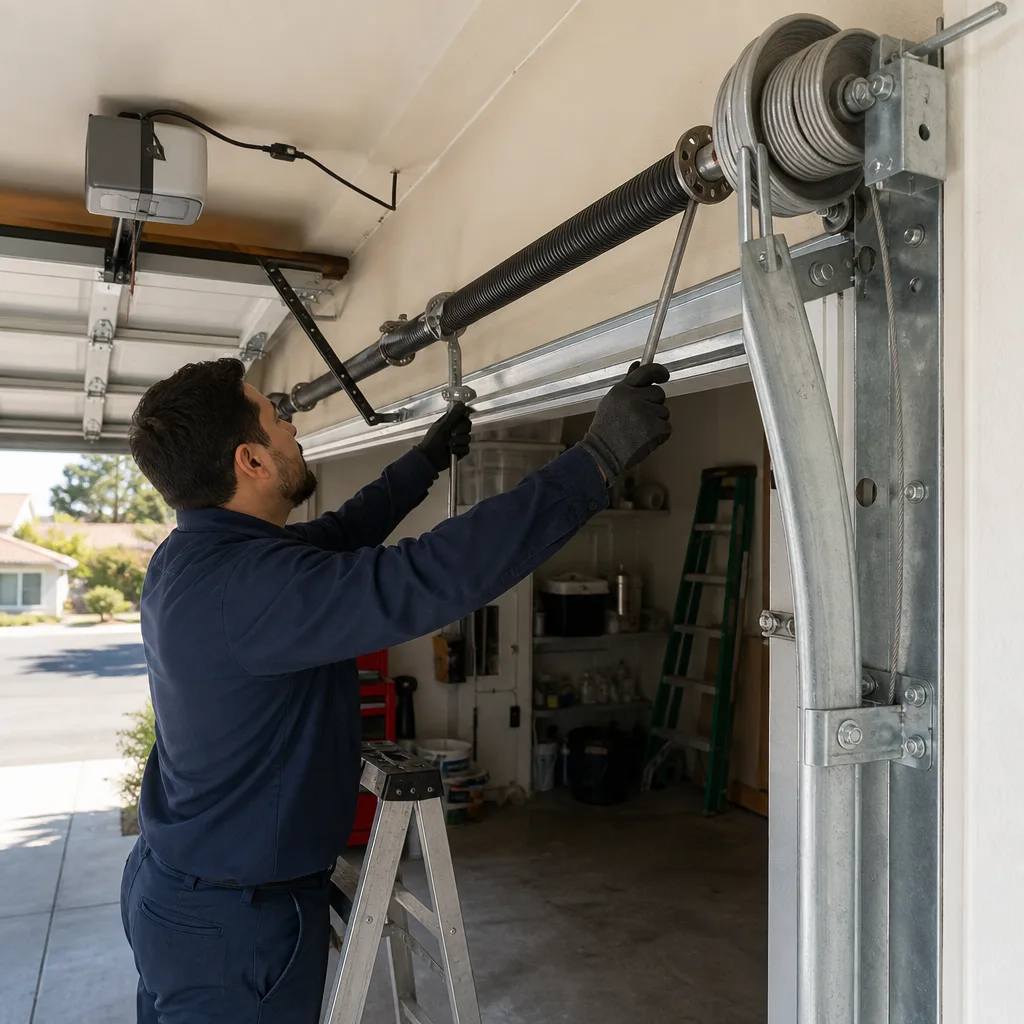 After
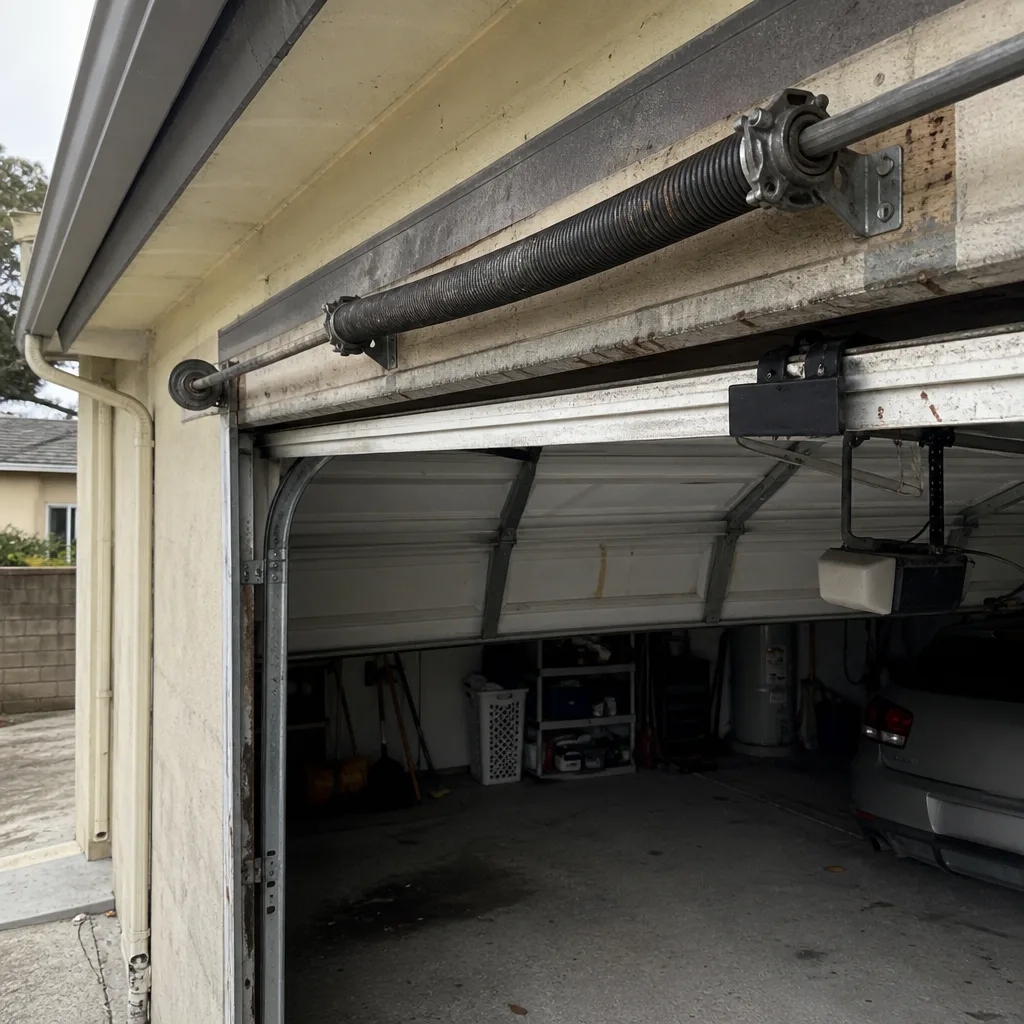 Before
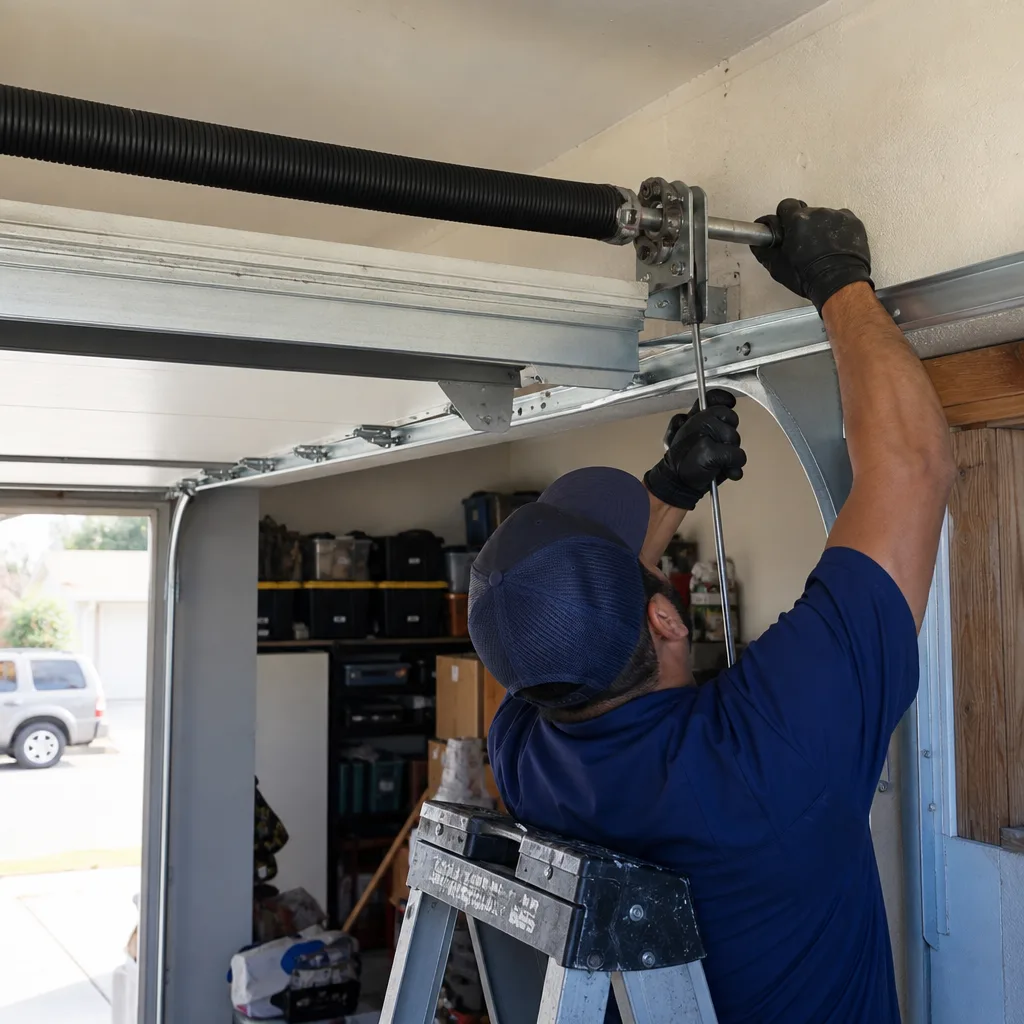 After