
Last updated November 2, 2026
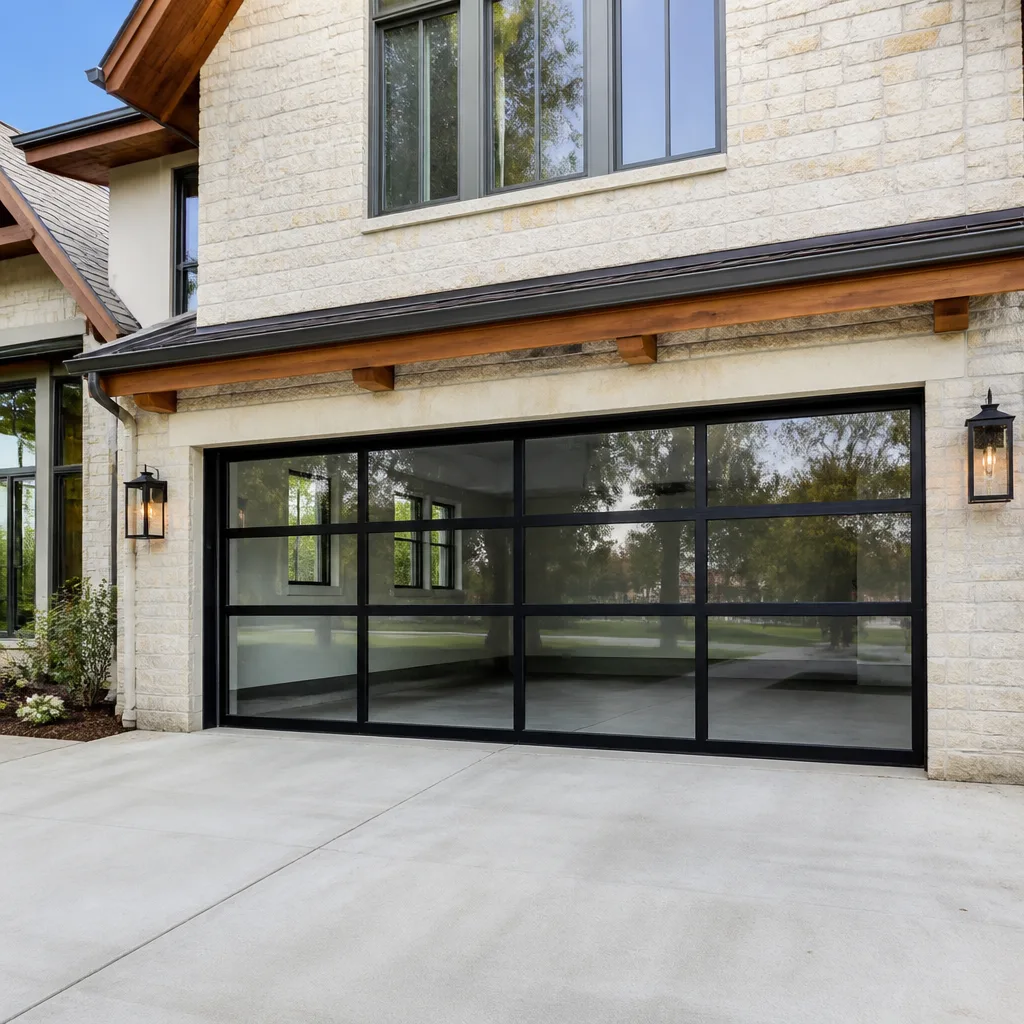 Full-view glass
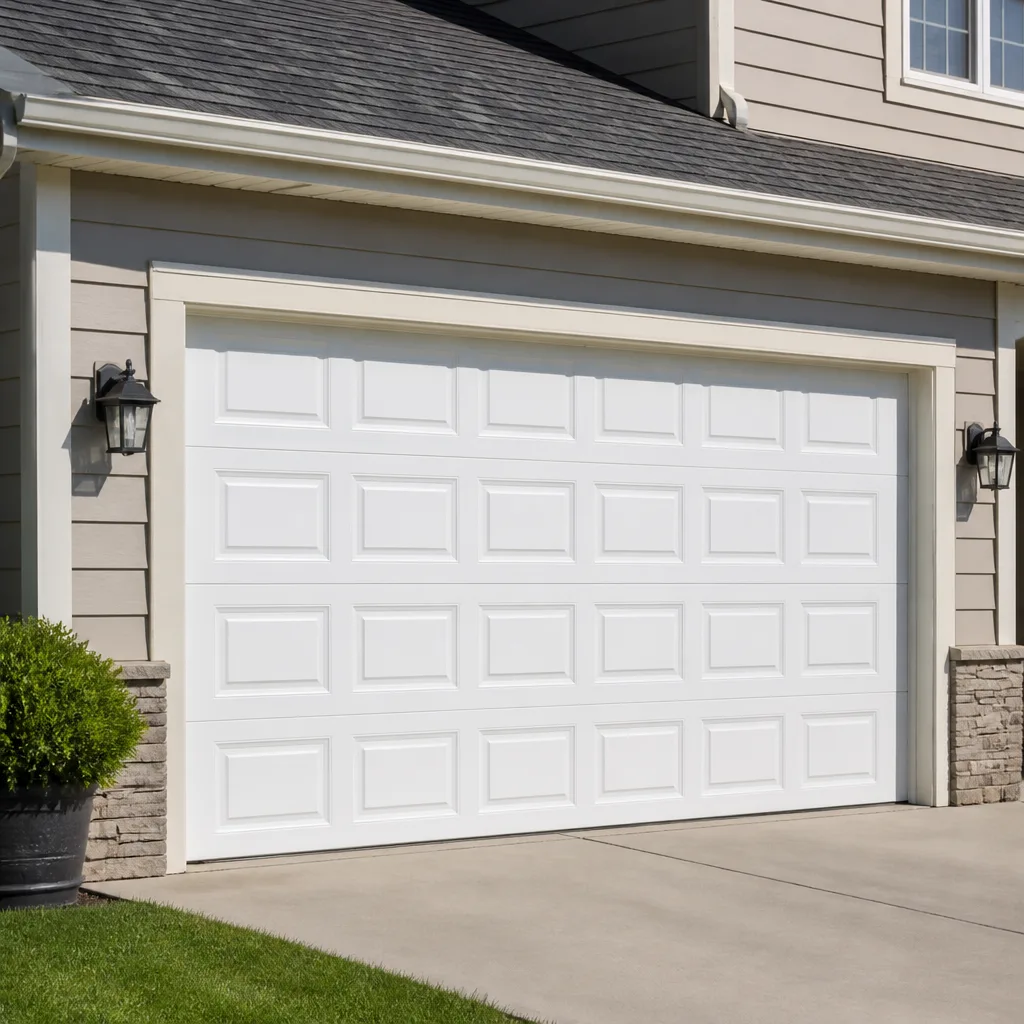 Raised-panel steel
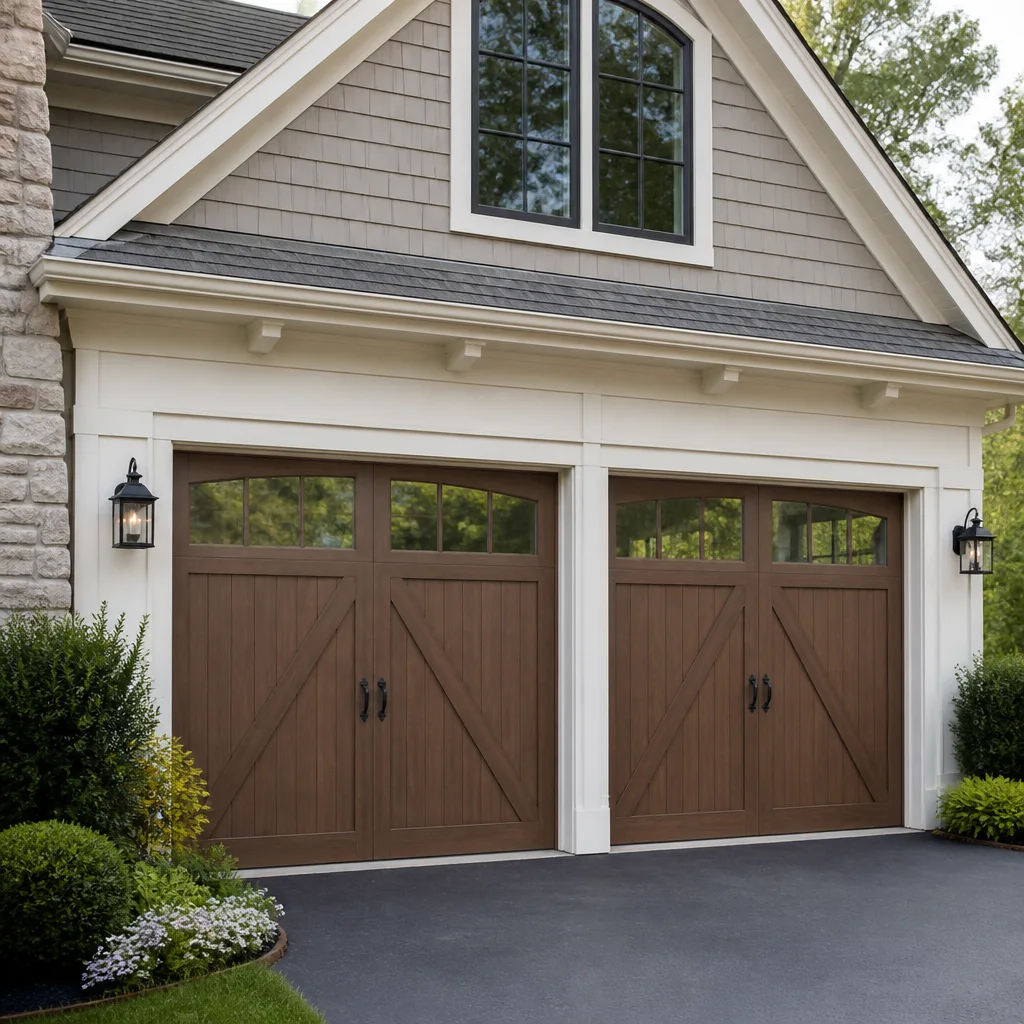 Carriage house
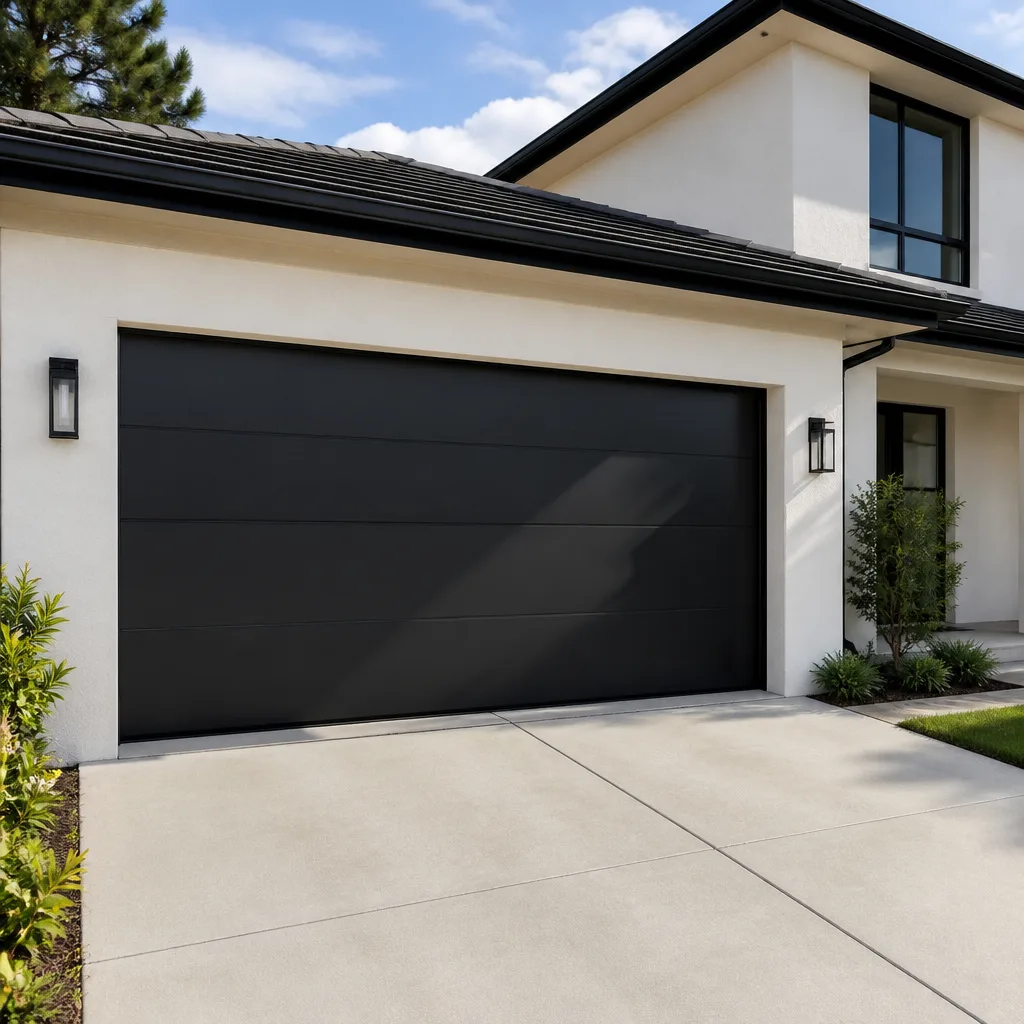 Modern flush
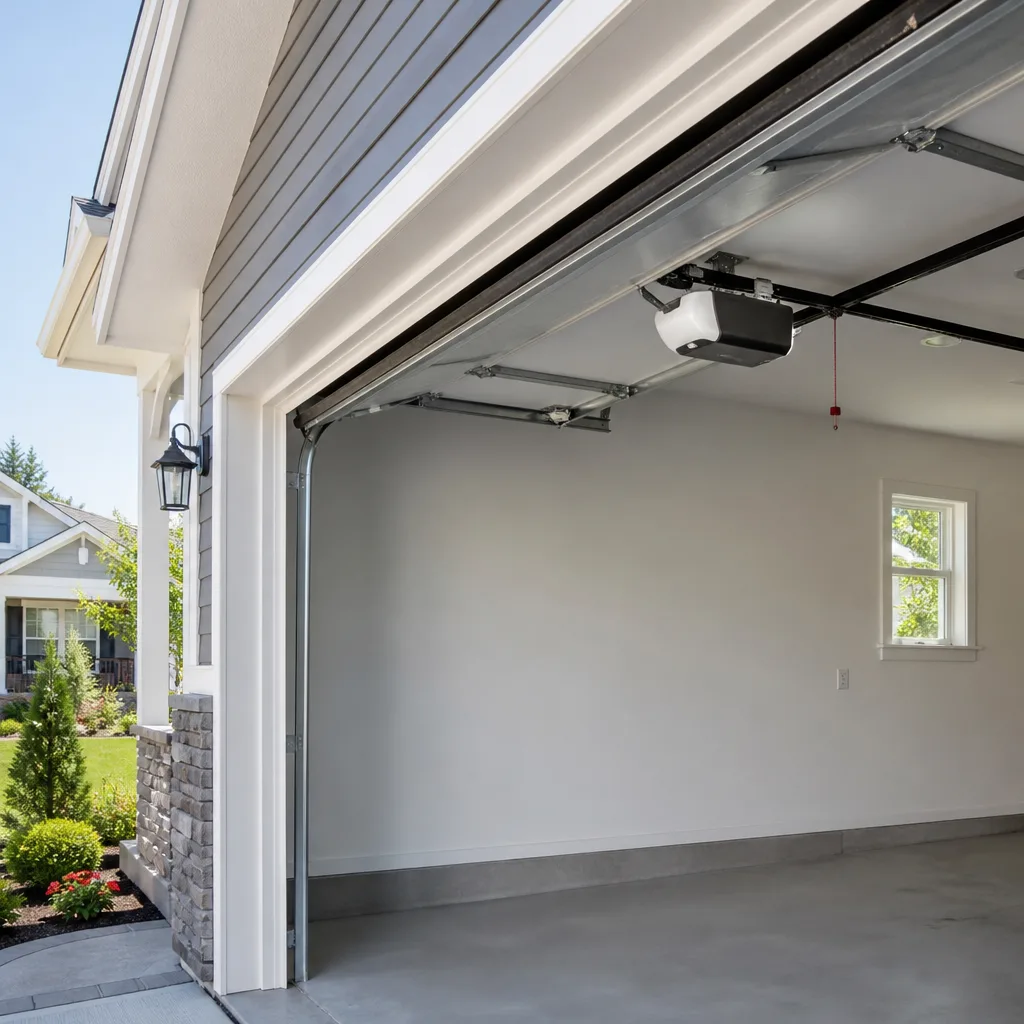 LiftMaster openers
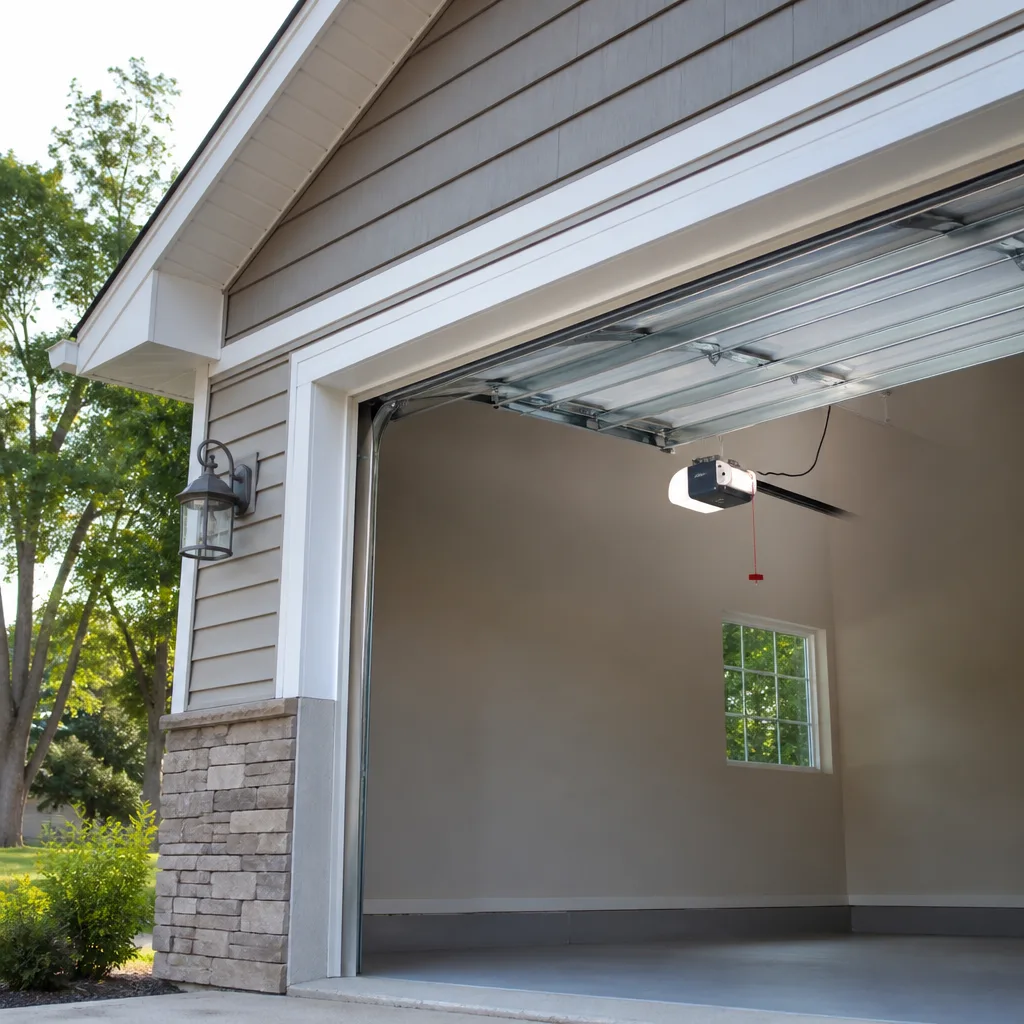 Chamberlain openers
Full 25-point door and opener safety check with every visit - springs, cables, rollers, tracks, and your LiftMaster or Chamberlain opener included
You get a price before we start. It does not change when the truck arrives.
Get your free estimateDIY vs Professional Garage Door: The Lake View Terrace Homeowner’s Decision Guide
Here’s a number that should stop you cold before you reach for the socket wrench: a residential torsion spring carries enough stored mechanical energy to throw a steel winding bar through a car windshield. Not hypothetically. When it lets go, it does so in a fraction of a second. Yet those same springs are the subject of hundreds of confident, well-lit DIY videos filmed in driveways just like the ones across Lake View Terrace. The actual line between what a homeowner should handle and what belongs in the hands of a garage door specialist isn’t about how handy you are. It’s about which risks are manageable with patience and which ones can hospitalize you before you register what happened. This guide draws that line task by task, so you don’t overpay for the easy stuff and don’t gamble on the dangerous stuff.
Styles & brands we work with
- Raised-panel steel
- Carriage house
- Modern flush
- Full-view glass
- LiftMaster openers
- Chamberlain openers
Quick Answer
Most garage door maintenance in Lake View Terrace falls into three buckets: genuinely safe DIY tasks like lubrication and weatherstripping replacement, borderline work like sensor realignment and roller replacement that’s fine if you know the limits, and spring, cable, and drum work that should always be handled by a professional. For a deeper look at what professional repairs typically cost, see our Garage Door Cost Breakdown: The Lake View Terrace Homeowner’s Reference for 2026. The deciding factor is not skill – it’s stored energy. If a component is under tension when the door is closed, the safe default is to call a specialist rather than risk a serious injury. For everything else, a few basic tools and an hour on a Saturday morning are usually enough.
Table of Contents
- What You Can Absolutely Do Yourself: The Safe DIY List
- Proceed With Caution: The Middle Zone
- Always Hire a Professional: No Exceptions
- Why Spring Work Is Categorically Different
- Insurance and Warranty: What Botched DIY Really Costs
- The Labor Math: Why a Pro’s 45 Minutes Beats Your Saturday
- Lake View Terrace-Specific Factors That Change the Equation
- Common Mistakes to Avoid
- When to Call a Professional
- Frequently Asked Questions
- The Bottom Line
What You Can Absolutely Do Yourself: The Safe DIY List
Some garage door work in Lake View Terrace carries essentially zero risk and doesn’t require specialized tools or knowledge. You won’t void any warranty, you won’t put yourself in the path of stored energy, and you’ll save the cost of a service call. These are the tasks to knock out on a Sunday morning and feel good about it.
Lubrication. The metal rollers, hinges, and bearing plates on a garage door need lubrication roughly twice a year. In the dry Lake View Terrace climate, the dust and heat can accelerate wear on these moving parts faster than in coastal neighborhoods. A lithium-based spray or silicone lubricant on the rollers and hinges, along the torsion spring, and on the opener chain or screw drive takes twenty minutes. Use a straw nozzle and wipe off the excess. Do not use WD-40. It’s a degreaser, not a lubricant, and it will strip the existing grease and leave the door louder than when you started. A can of proper garage door lubricant costs under $15 at any home improvement store on Foothill Boulevard.
Weatherstripping replacement. The rubber strip along the bottom of the door and the vinyl trim around the frame degrade fast in the San Fernando Valley sun. When they crack or flatten, dust, heat, and the occasional lizard find their way into the garage. Replacement is a pull-out-and-slide-in job in most cases. You’ll pay $12 to $30 for the material and spend an hour, maybe less, doing it. A service call for the same work will run you $120 to $200 when you factor in the labor. This is one of the clearest DIY wins on the entire door.
Opener battery replacement. If your wall button works but the remote stopped working, the fix is a $5 battery, not a repair call. Open the remote, note the battery type, swap it, and test. If the keypad outside the garage also won’t respond, that usually means a fresh 9-volt. These are zero-risk fixes.
Sensor cleaning and basic realignment. The photo-eye sensors near the bottom of the tracks can get dusty, especially with the fine particulate that settles over Lake View Terrace in the Santa Ana wind season. A dry cloth over the lenses fixes most “door won’t close” issues in ten seconds. If the door still reverses, check that the sensors face each other and their LED lights are solid, not blinking. Loosen the wing nut, adjust, retighten. That’s the full extent of what you should do with sensors.
Basic tightening. A garage door cycles thousands of times a year, and vibration loosens hardware. Once a season, go around with a socket set and snug up the bolts and nuts on the door panels, hinges, and track brackets. Don’t over-torque anything – snug, not gorilla-tight. This is basic home maintenance, and it prevents squeaks and rattles.
Proceed With Caution: The Middle Zone
This is the category that separates capable homeowners from overly confident ones. These tasks are not inherently dangerous, but they involve parts that connect to systems under tension or require adjustments that affect door balance. You can do them if you genuinely understand the mechanical relationships at work. If you half-understand, this is where you turn a $50 fix into a $400 repair.
Roller replacement. The rollers that guide the door along the tracks wear out every five to seven years. Nylon rollers especially get flat spots in the heat. Replacing the rollers on the vertical track sections is straightforward: you bend back the track slightly, pop the old roller out, slide the new one in. But the bottom roller on each side attaches to the cable, and the top rollers interact with the curve of the track. If you’re not careful about which roller goes where, you can create a misalignment that strains the hinges and eventually the spring. If you replace rollers yourself, replace all of them at once and match the exact size. If there’s any ambiguity, stop and call a garage door repair specialist in Lake View Terrace.
Hinge replacement. The flat hinges that connect door panels are straightforward. The numbered hinges near the top that connect to the roller stems are not. If a hinge is cracked, you can replace it, but you must use the correct gauge metal and exact replacement part. A mismatched hinge changes the door’s geometry enough to wear down the springs prematurely. The repair itself carries low risk. The cost of getting the part wrong carries a deferred invoice.
Belt or chain tension adjustment on the opener. A loose chain slaps, a tight one whines. Adjusting the tension requires removing the opener cover and positioning the carriage right. The risk is low but the connection to the spring system means that if your adjustment shifts the balance, you’ll wear out the opener motor inside two years. If in doubt, this is a natural fit for opener repair in Lake View Terrace.
Paint and surface prep. Painting a metal door is perfectly DIY-able, but only if you prep correctly. The door panels flex as they open and close, which means standard exterior house paint will crack and peel at the seams. You need a paint formulated for metal and some flexibility, plus a primer. In the Lake View Terrace heat, a dark paint color on a west-facing door can also accelerate panel warping. Choose a light color or accept the maintenance.
Always Hire a Professional: No Exceptions
This is where the line is drawn, and it’s drawn because of physics, not because we want the work. The components below are under constant, significant load. When they fail during a DIY attempt – and they do, regularly – the injuries are severe and the property damage is real. These are not “give it a try” tasks.
Torsion spring replacement
Torsion springs sit on a metal shaft above the door opening. They are wound under immense tension, and all of it is released through two winding bars if you try to unwind them. A torsion spring snapping during a winding attempt sends those bars – and whatever part of your hand is attached to them – in unpredictable directions. Every professional who works on these has a healthy fear of them, and every pro has seen the aftermath of a homeowner attempt. When a torsion spring breaks in Lake View Terrace, it usually makes a sound like a gunshot, and the door becomes a dead weight. The fix requires exact spring measurements, proper winding bars, and the experience to know when the spring has been wound the right number of turns. This is categorically not a DIY task.
Extension spring replacement
Extension springs run along the horizontal tracks on either side of the door. They stretch and contract with every cycle. They’re under slightly less concentrated tension than torsion springs, but only slightly. When an extension spring on an older Lake View Terrace door fails, the entire spring can become a projectile if the safety containment cable is missing. That cable, by the way, is something older doors often don’t have. The homeowner fix – replacing the spring without the safety cable – just trades one hazard for another.
Cable replacement
The lift cables run from the bottom of the door up through the drum at the top. Those cables hold the entire weight of the door in coordination with the springs. If a cable snaps and you decide to thread a new one yourself, you’re working with the same tension system as the springs. Get the cable length wrong by half an inch and the door operates out of balance, which then destroys the newly installed spring. There’s no version of cable replacement that a homeowner should attempt.
Anything involving the drums
The cable drums at the top of the torsion system are what the cables wind onto. If the drums themselves need replacement, the springs must be unwound first, then rewound after. This means you’re essentially doing spring work twice. Non-negotiable: call a specialist.
Opener motor replacement
Replacing a full opener means working with electrical connections, programming, and the mechanical interface between the opener and the door’s balance system. A motor that’s slightly over- or under-powered for the door’s weight will burn out its gears early. A rail that’s not perfectly aligned will bind. And the door balance must be correct before the opener is mounted, or the opener assumes the burden of an unbalanced door – something it was never engineered to do. At Whitfield Garage Door Repair home, we’ve seen too many weekend installations turn into Monday-morning emergency calls.
Why Spring Work Is Categorically Different
To understand the boundary of DIY garage door work, you need to understand what a spring actually does. A garage door weighs between 130 and 400 pounds. The springs aren’t an accessory – they’re the counterbalance system that makes a 400-pound door feel like it weighs 8 pounds. They don’t hold a little tension. They hold exactly as much tension as the door weighs, every second of every day.
Here’s the arithmetic that matters. A standard residential torsion spring is wound through seven to eight full rotations to lift a typical door. During each rotation, the spring stores rotational force. Unwinding a spring means transferring all that stored force through the steel bars you’re holding. If the bar slips, the spring unwinds instantly. The bars move through a full arc in under a second. There is no reaction time. No second chance. People have died from this, and people in Lake View Terrace have been injured from this – the geography doesn’t matter when the physics is universal.
Extension springs operate on the same principle, just linear rather than rotational. The difference is that they don’t release rotationally – they release as a sudden, violent linear extension. The older, non-contained springs on pre-1990 doors are the most dangerous, because nothing tethers them when they break.
What makes spring work different from every other repair on the list is that you’re working against force that’s actively trying to release. There’s no version of “careful” that changes that. The spring doesn’t know you’re being careful. This is why even skilled homeowners who rebuild their own engines will call a specialist for spring work. It’s not a question of comprehension. It’s a question of whether you’re willing to put your body in the path of stored energy, and no competent professional will advise that.
Insurance and Warranty: What Botched DIY Really Costs
Here’s something that almost never appears in the DIY videos: the post-repair paperwork. When a garage door fails after a homeowner repair, the downstream costs can exceed the repair itself, and they’re rarely covered.
Homeowner’s insurance
Homeowner’s insurance policies in California generally cover sudden, accidental damage – a tree falling on the garage, a door torn off in a Santa Ana wind event. But if you’re unsure about permit and inspection requirements for major repairs, review Garage Door Permits, Codes & Inspections in CA: What You Need to Know. They do not cover damage caused by improper maintenance or repair. If you attempt a spring replacement, the spring fails again, and the door crashes down onto your car, the insurance adjuster has a clear denial path: the work was not performed by a qualified professional, and the failure is therefore not “sudden and accidental” but rather the predictable result of an unqualified repair. The burden of proof sits with you, not the insurer. In practical terms, the money you saved on the repair is negated many times over by the claim you can’t make.
Warranty coverage
Garage door openers from LiftMaster, Chamberlain, Genie, and Craftsman all include warranty language that excludes damage caused by improper installation or failure to maintain the door per specifications. If you install an opener yourself and the motor burns out in six months, the manufacturer’s representative will want to know whether the door was balanced before installation, whether the force settings were adjusted correctly, and whether the wiring was done to code. If the answers are “I don’t know” or “I followed a YouTube tutorial,” the warranty goes away. The same applies to door panels and springs from manufacturers like Clopay, Amarr, Wayne Dalton, and Raynor – these companies will stand behind their product if a professional installed it, and they’ll decline if the workmanship is unverifiable.
The insurance angle in Lake View Terrace specifically
This matters more than usual in Los Angeles County, where homeowner’s insurance premiums and coverage availability have tightened considerably in recent years. A denied claim on a garage door failure doesn’t just cost you the door repair. Any record of a denied claim can complicate future policy renewals in this market. The risk-reward on a $75 saved service call was already bad. In 2026, with insurance as constrained as it is in this zip code, it’s actively irresponsible.
The Labor Math: Why a Pro’s 45 Minutes Beats Your Saturday
The most common pushback we hear goes something like this: “The part costs $80, and the company wants $300. I’m not paying $220 for labor on a part that cheap.” Here’s what the $220 actually buys you, in terms a homeowner can plan a weekend around.
Take a roller replacement as the example. The rollers themselves are $15 to $35 for a set if you buy them yourself. A professional service call in Lake View Terrace for roller replacement runs roughly $180 to $260 all-in. The DIY version looks like this:
- Drive to the home improvement store, buy the rollers, return home: 45 minutes, plus $12 in gas and wear.
- Figure out how to release the door from the opener and what tools you need: 30 minutes if things go well.
- Replace the first few rollers, realize you need a different tool: 20 minutes.
- Replace the rest, struggle with the bottom bracket that doesn’t want to align: 90 minutes.
- Clean up, test, decide the squeak isn’t fully gone but you’re tired: 30 minutes.
Total elapsed time: three and a half hours of your Saturday. And the result is “probably fine.”
A specialist from a garage door repair company does this job in 45 minutes. They have the right tools in the truck. They’ve done this job 300 times, so their hands know the angles that the video didn’t show. They see that one of your hinges has a hairline crack that will fail in three months, and they either address it now or tell you to budget for it. And if the result isn’t right, they come back and fix it, because their reputation depends on it.
What you’re paying for in that labor is not just the physical act of replacing rollers. It’s the absence of doubt. The garage door is the largest moving object in your home, operated daily. When a Lake View Terrace homeowner’s door opens and closes 1,500 times a year, the difference between “probably fine” and “verified correct” shows up in component life, quietness, and whether the door works on the morning you’re already late for work.
Lake View Terrace-Specific Factors That Change the Equation
The San Fernando Valley climate does not treat garage doors gently, and specific conditions here change the DIY calculus compared to coastal neighborhoods.
Heat and direct sun exposure. Lake View Terrace sees summer temperatures that routinely climb into the high 90s, and a south- or west-facing garage door sitting in that sun gets hot enough to burn a hand. Heat also takes a toll on the materials: nylon rollers degrade faster in sustained high heat, weatherstripping cracks sooner, and spring steel loses its temper slowly over years of thermal cycling. A door in Sunland-Tujunga or Shadow Hills with full sun exposure is going to need maintenance earlier than one in a shaded valley location. The practical takeaway: when components fail, they often fail in clusters, because the heat doesn’t single out one part. After a hot summer, expect to replace rollers and weatherstripping around the same time.
Dust and wind. The wind that sweeps through the valley during Santa Ana events carries fine particulate that gets into tracks, hinges, and opener mechanisms. If your door starts sounding gritty, it’s usually not a failing bearing – it’s dust accumulation working as a grinding compound. This means lubrication is a higher-value DIY task here than it is in, say, a coastal area with moist air. It also means that opener failures are sometimes dust-related rather than mechanical, which changes what you’d assess before calling for an opener repair in Lake View Terrace.
Older housing stock. A meaningful portion of Lake View Terrace homes were built between the 1950s and 1980s. That means Garages with older door systems, original extension springs, and wiring that predates modern safety standards. If your home was built before 1993, your garage door opener predates the federal requirement for auto-reversing photo-eye sensors, and your door is more likely to have safety issues that a specialist would flag during any service. If you’re doing DIY maintenance on a pre-1993 system, know that the safety baseline is not the same as what’s on a newer home.
Common Mistakes to Avoid
- Lubricating the wrong way. Spraying garage door lubricant into the opener motor housing or onto the belt or chain is a fast way to shorten the opener’s life. Lubricate the hinges, rollers, and spring only. Grease on a belt or chain attracts dust, which then works its way into the gears.
- Adjusting the spring tension as a “quick fix” for a sluggish door. A door that runs slow is not a tension problem in most cases – it’s a lubrication problem or a failing opener capacitor. Adjusting the spring tension without understanding the geometry will create a door that’s worse than it was.
- Replacing the opener without checking door balance first. A door that’s out of balance will kill a new opener motor within two years. The motor is designed to move a balanced door, not to compensate for a broken spring or worn rollers. Balance first, opener second.
- Ignoring the safety cable on extension springs. If your home has extension springs and no safety cables running through them, do not attempt any DIY work on that system. The absence of a cable means a broken spring becomes a projectile. This is a call-a-specialist situation every time.
- Using the wrong replacement part from a big-box store. The springs sold at home improvement stores are generic, one-size-fits-none parts. The correct spring for your door is matched to its exact weight, height, and track configuration. Installing an ill-fitting spring is more dangerous than leaving the broken one in place.
- Tightening every bolt you can reach, including the spring anchor bolts. The bolts that hold the spring system to the wall bracket are set at a specific torque. Over-tightening them can distort the bracket or strip the threads. Snug up general hardware, but leave spring-related hardware alone.
- Painting the weatherstripping “to make it match.” Paint on rubber or vinyl weatherstripping accelerates cracking and reduces flexibility. Replace it instead of painting it.
When to Call a Professional
The decision is usually clear before you open the toolbox. A broken spring is a professional call, period – no amount of online research changes the stored energy in the shaft. A frayed cable is the same category. A door that’s suddenly off-balance, one that won’t stay up when opened manually, or one that reverses for no reason all indicate a system problem that diagnosis-by-forum won’t solve. The reverse case matters too: a noisy but functional door, a worn weatherstrip, or a clean-and-lubricate service is comfortably yours to handle. The filter is simple: tension and wiring mean a call. Surface and lubricant mean DIY. Whitfield Garage Door Repair offers free estimates in Lake View Terrace, so if you’re unsure which bucket your problem falls into, call (866) 282-6912 and describe what you’re seeing. A straight answer costs nothing.
Frequently Asked Questions
Garage door repair in Lake View Terrace typically runs $150 to $350 for most common fixes, with roller replacement at the lower end and spring replacement at the higher end. Full opener replacement and complete door replacement are separate categories that start around $500 and $1,200 respectively. The range is wide because the fix depends on which component failed. Call (866) 282-6912 for a free estimate on your specific door.
No. Torsion springs and extension springs store enough mechanical energy to cause serious injury or death if mishandled, and the tools required are specialized. Even experienced professionals treat spring work with caution. The risk is not offset by the $200 to $400 you’d save. This is the one repair where everyone, regardless of skill level, should call a garage door specialist.
In most cases, no. Insurance policies in California exclude damage caused by improper maintenance or unqualified repair. If a DIY spring replacement fails and the door falls on your vehicle, the claim will likely be denied because the root cause was workmanship, not sudden accidental damage. That denial can also complicate future policy renewals.
The most common door and opener brands in Lake View Terrace homes include LiftMaster, Chamberlain, and Genie for openers, plus Raynor, Clopay, Amarr, and Wayne Dalton for door panels. The important thing is that whichever brand you have, you’re not locked into that brand for service – a specialist who works across all major manufacturers can diagnose your door correctly regardless of what’s stamped on the label.
At minimum, lubricate the rollers, hinges, and spring twice a year. Given the dust and heat in Lake View Terrace, an annual visual inspection of the springs, cables, rollers, and weatherstripping will catch most problems before they become failures. If you hear grinding, popping, or the door starts to feel heavy, don’t wait for the scheduled service.
Most garage doors are worth fixing if the panels are intact and the track system is sound. The repair-versus-replace decision usually comes down to panel condition and whether the door is so old that safety features are outdated. A garage door installation in Lake View Terrace makes sense when the door is rusted through, severely dented, or the total repair cost exceeds 60% of the replacement cost. A straight-shooting company will tell you which path makes sense, not just which one makes them money.
The Bottom Line
The DIY-vs-professional line for garage doors is real, and it’s drawn at the tension system. Lubrication, weatherstripping, sensor cleaning, and basic tightening are all appropriate homeowner tasks that save real money. Roller and hinge replacement sit in a gray zone that depends on your mechanical confidence and your tolerance for getting it wrong. Springs, cables, drums, and opener motors are not gray. They’re under load, they’re dangerous when mishandled, and the failures cascade – a bad spring repair becomes a broken door, which becomes a denied insurance claim. In Lake View Terrace, where the heat and dust accelerate wear and the insurance market is tighter than most of the country, the smart approach is to know your boundary and respect it. Your largest moving part deserves a specialist, and your hands deserve better than a winding bar’s bad day. For more guides & resources on keeping your garage door safe and functional, explore our blog.
Written by the team at Whitfield Garage Door Repair, serving Lake View Terrace since 2012.
See the difference
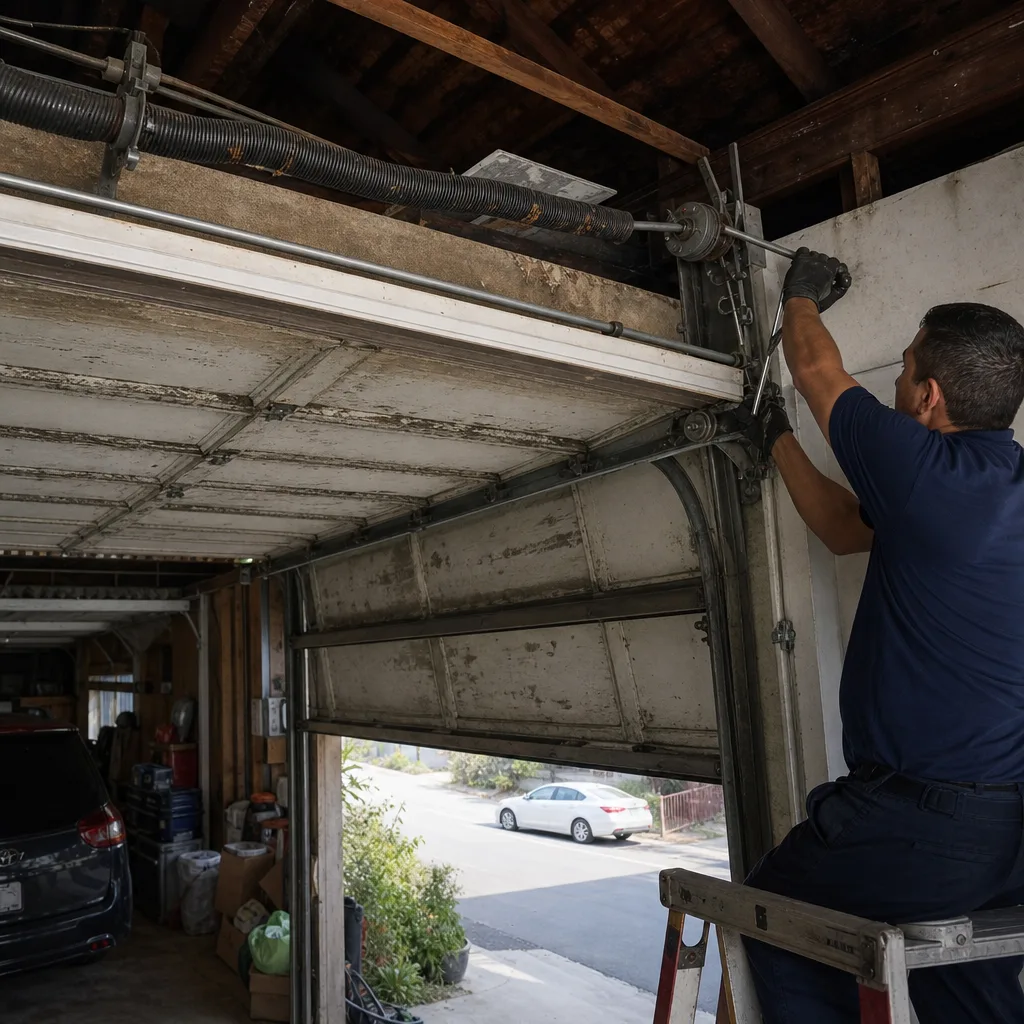 Before
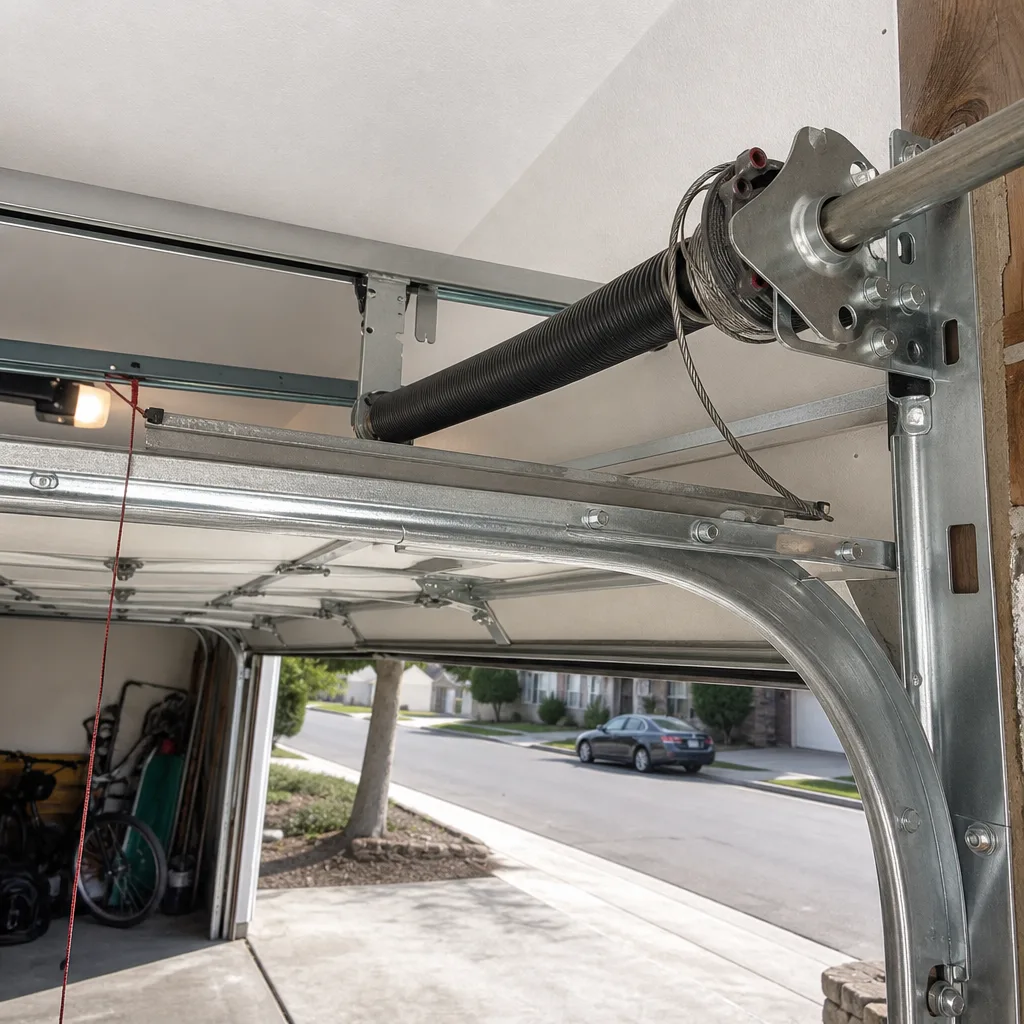 After
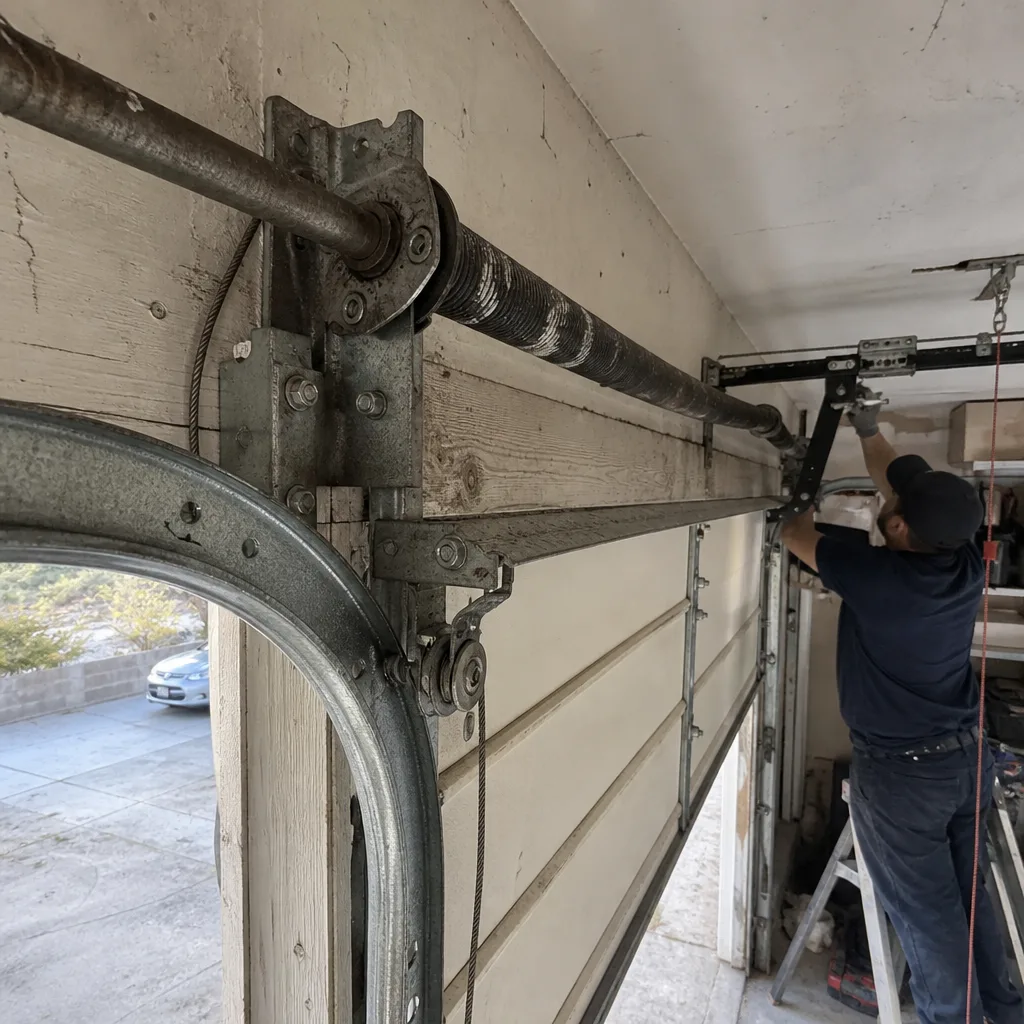 Before
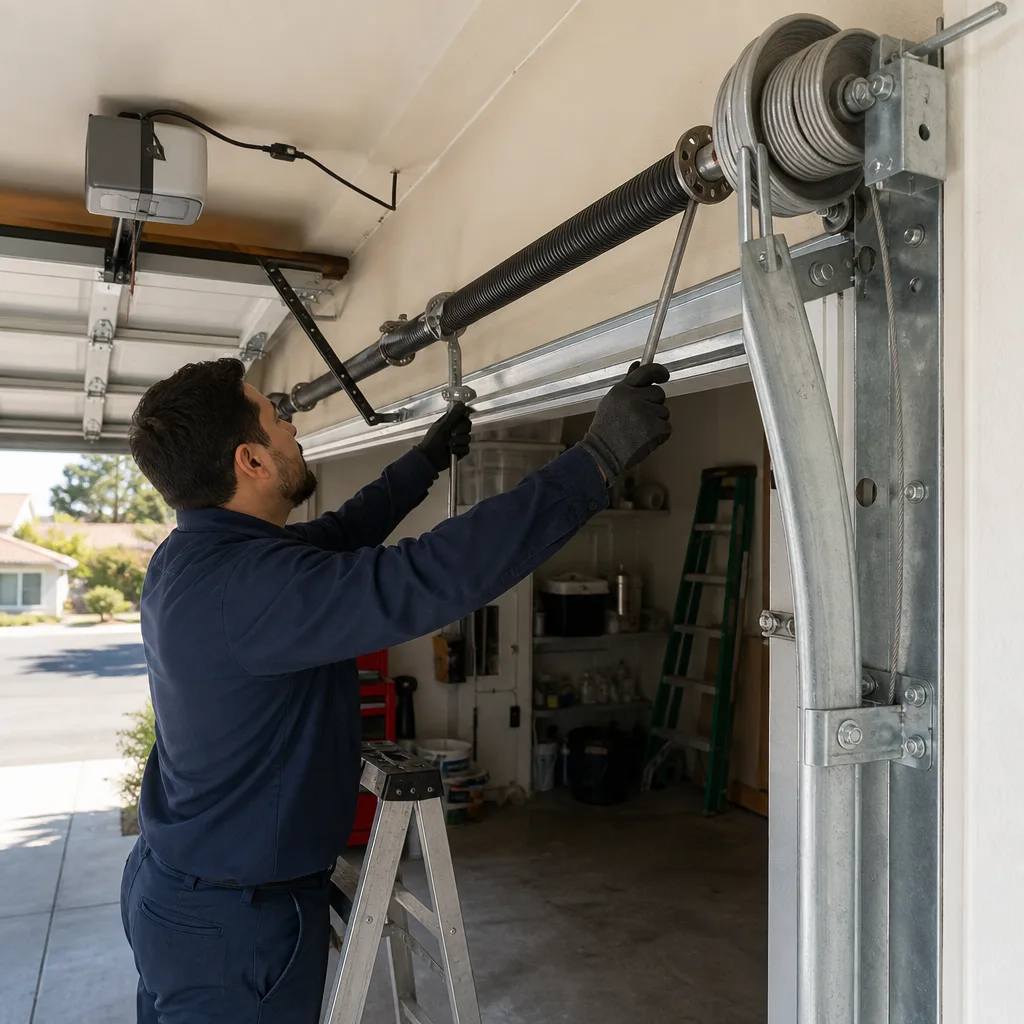 After
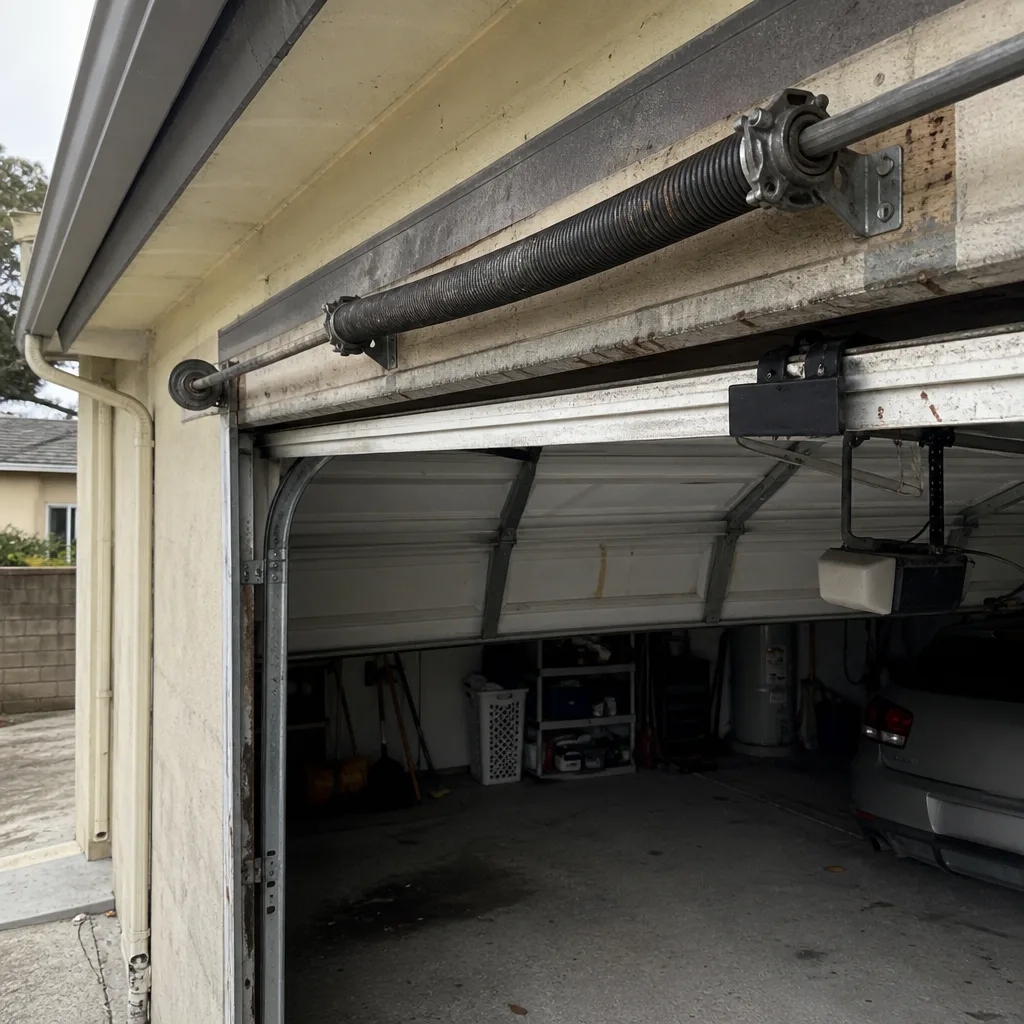 Before
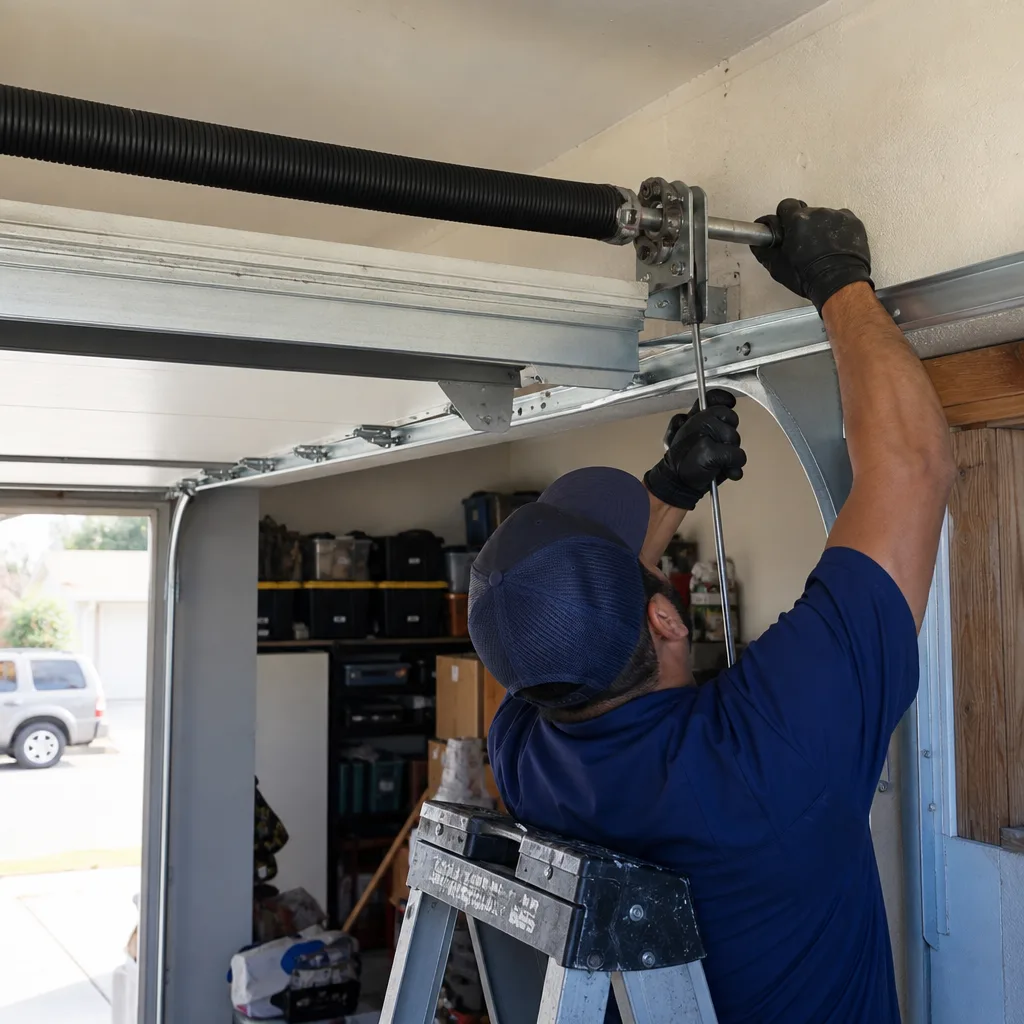 After