
Last updated November 2, 2026
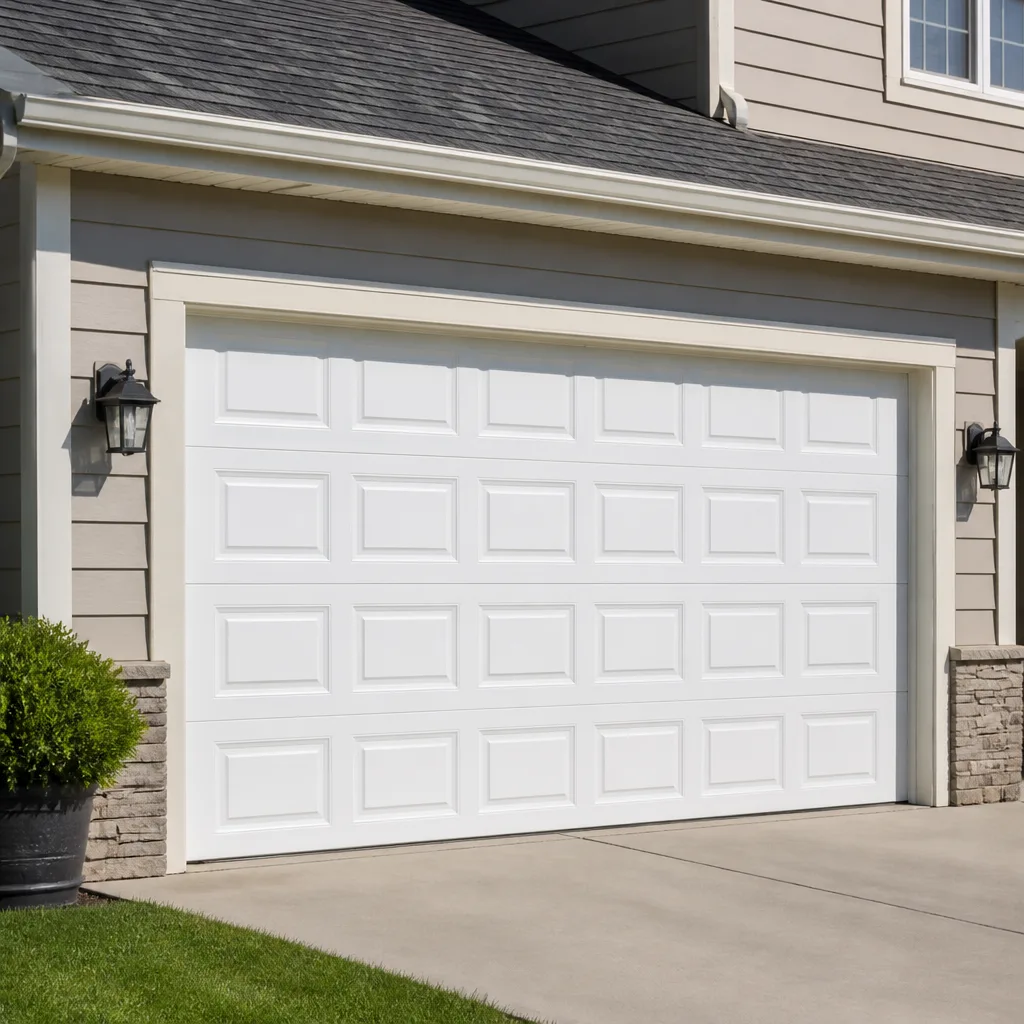 Raised-panel steel
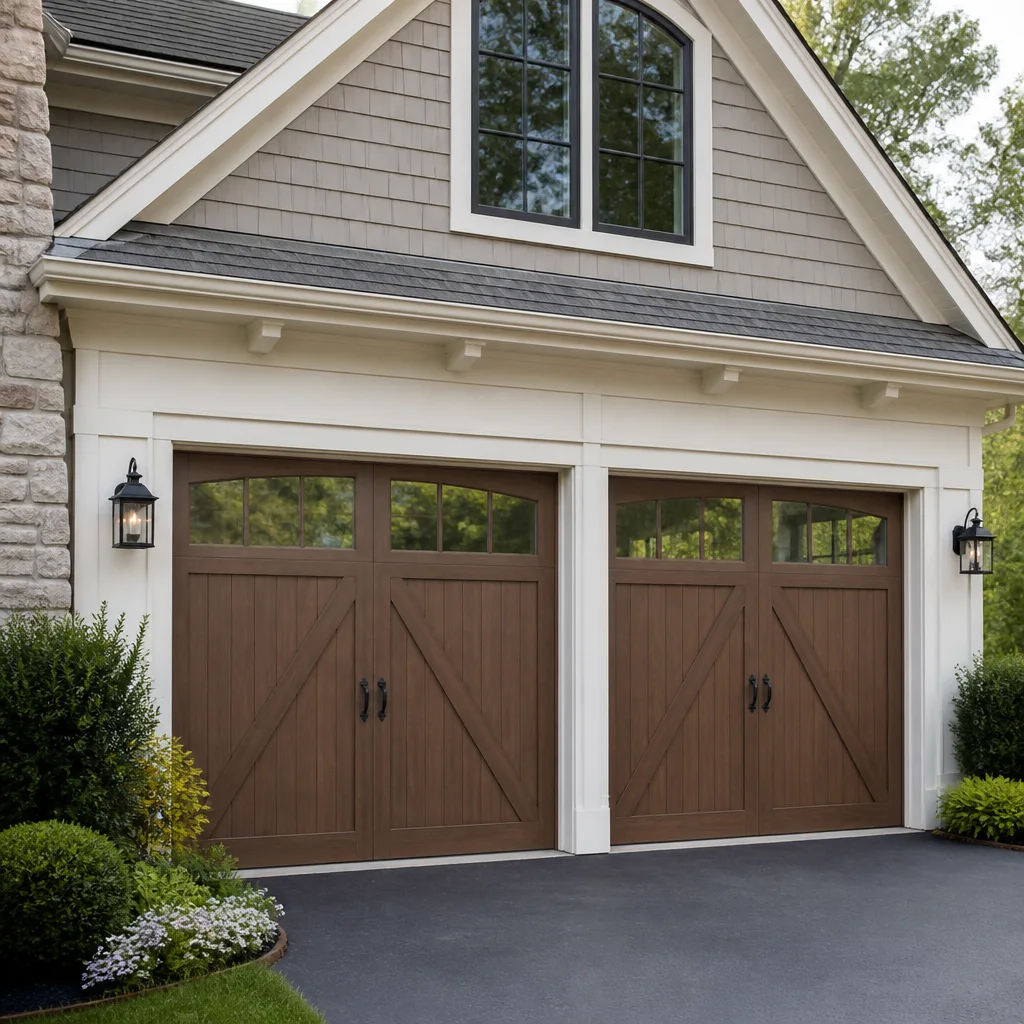 Carriage house
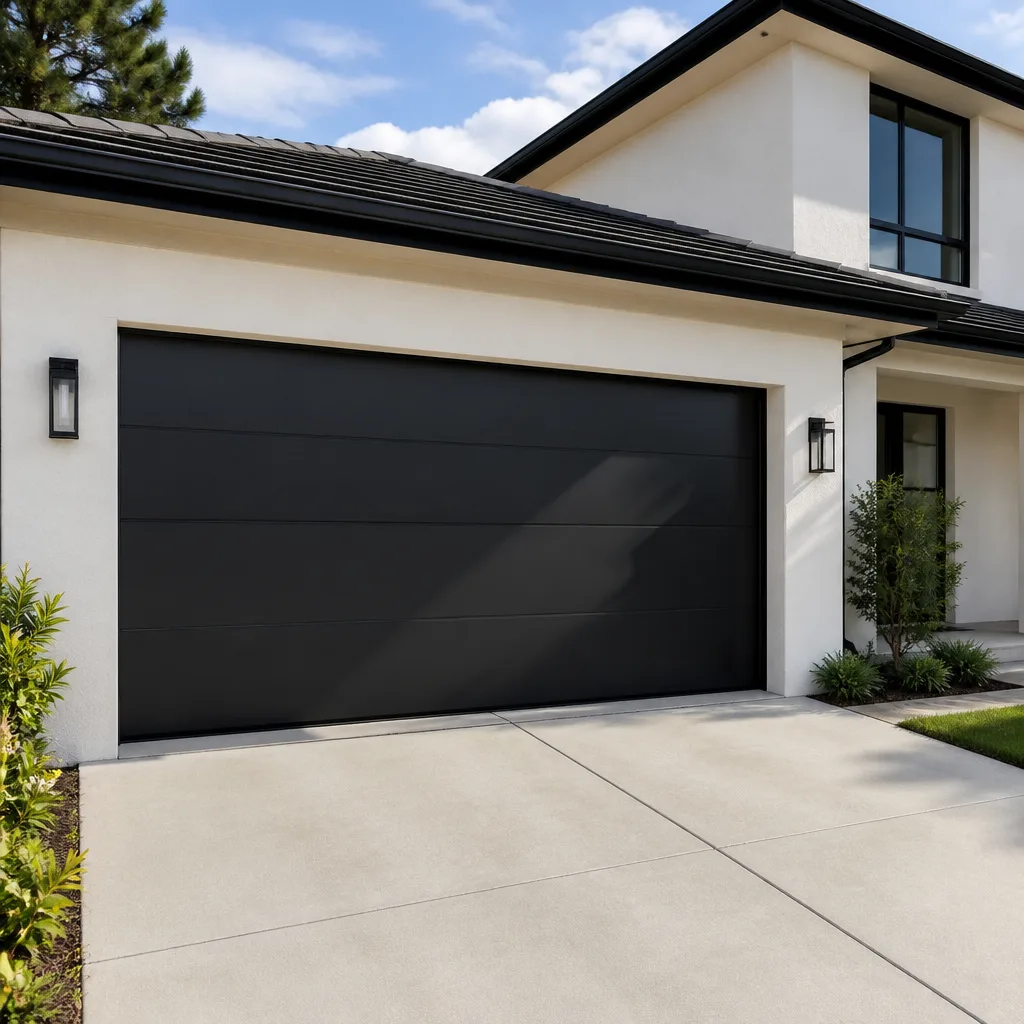 Modern flush
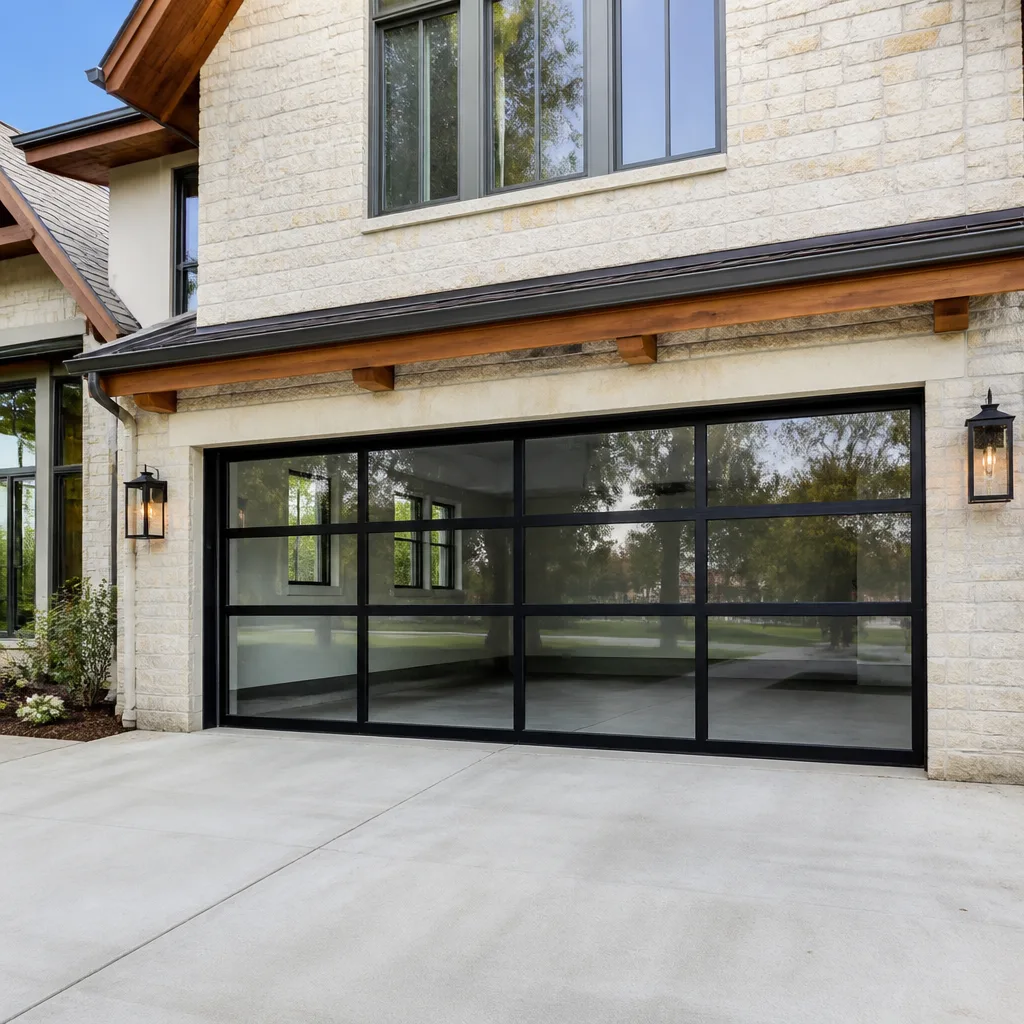 Full-view glass
 LiftMaster openers
 Chamberlain openers
Full 25-point door and opener safety check with every visit - springs, cables, rollers, tracks, and your LiftMaster or Chamberlain opener included
You get a price before we start. It does not change when the truck arrives.
Get your free estimateGarage Door Permits, Codes & Inspections in CA: What You Need to Know
Most California homeowners don’t discover their garage door needed a permit until they’re sitting at the closing table, staring at a disclosure form, and the buyer’s inspector is asking for paperwork that doesn’t exist. The truth is that some garage door replacements trigger permit requirements and others don’t, and the line between them is thinner than most contractors will admit. In Lake View Terrace, where homes range from 1960s ranch styles to newer hillside builds, we see the same confusion on a weekly basis: homeowners who assumed a garage door swap was like changing a faucet, only to find out it wasn’t. This guide answers what the California Building Code actually requires, when LA County amendments tighten or loosen those rules, what an inspector looks at during a garage door inspection, and what unpermitted work can cost you when you sell. For Garage Door Repair Maintenance Checklist for Lake View Terrace Homeowners and more guides & resources, see our blog.
Quick Answer
In California, a true like-for-like garage door replacement, where the door, tracks, motor, springs, and mounting hardware go back exactly as they came out often requires no permit. But any change to the door size, header, framing, or structural attachments triggers a building permit, and in many LA County jurisdictions, replacing an old gravity door with a new automatic opener, or replacing a tilt-up with a sectional, crosses the threshold into permit territory. When in doubt, a 10-minute call to your local building department settles it before the first bolt comes out.
Styles & brands we work with
- Raised-panel steel
- Carriage house
- Modern flush
- Full-view glass
- LiftMaster openers
- Chamberlain openers
Table of Contents
- What the California Building Code Actually Says About Garage Door Permits
- LA County Amendments That Change the Rules for Lake View Terrace Homes
- The Like-for-Like Rule vs. What Actually Triggers a Permit
- What a Garage Door Inspection Actually Covers: Seismic Bracing, Safety Reverse, and Header Load
- The Real Consequences of Unpermitted Garage Door Work at Resale and Insurance Time
- When a Contractor Says “You Don’t Need a Permit” and Is Right, and When That’s a Liability Red Flag
- Step-by-Step: How to Pull a Garage Door Permit in Lake View Terrace
- Common Mistakes to Avoid
- When to Call a Professional
- Frequently Asked Questions
What the California Building Code Actually Says About Garage Door Permits
California bases its statewide construction rules on the California Building Code, known as the CBC, which adopts the International Residential Code with California-specific amendments. The CBC is not a single document that hands you a yes-or-no answer for a garage door. Instead, it governs garage doors through a handful of interconnected chapters, each addressing a different part of the installation. Understanding the code means understanding which chapter applies to your specific job.
The most relevant provisions fall under these sections:
- Section R105.1 (Permits Required): The general rule that any construction, alteration, or repair of a building or structure requires a permit, unless specifically exempted by Section R105.2.
- Section R105.2 (Work Exempt from Permit): This is the section contractors cite when they say no permit is needed. It lists specific exemptions, and the wording matters. The exemption does not mention garage doors by name in most editions, which is precisely why the interpretation gets murky.
- Section R311 and R312 (Means of Egress and Guards): These cover how a garage door interacts with the rest of the home, particularly when a garage connects to living space.
- Section R301 (Design Criteria): Includes wind load and seismic requirements, which in California are not optional. Garage doors in seismic zones have specific bracing standards.
- Section R309 (Garages and Carports): Covers garage-specific construction requirements, including fire separation between garage and living space.
For a straightforward replacement in Lake View Terrace, the exemption in R105.2 that most contractors point to is the one for “ordinary repairs.” The code defines ordinary repairs as replacement of existing equipment with similar equipment in the same location that does not affect the structure or any life-safety system. A garage door panel swap, where the same tracks and springs stay in place, generally qualifies. Replacing the entire door, rails, springs, and opener usually does not, because the header attachment points and structural mounting get modified in the process.
The code is designed around one central question: does the work change the load path or the building envelope? A garage door sits inside a structural opening. The header above that opening carries the weight of the wall above it, plus any roof load that transfers down. When a door installation modifies how that header receives forces, whether through new mounting brackets, larger springs that increase tension, or relocated track supports, the work crosses from cosmetic into structural. That’s the line the code cares about, not whether the new door looks different.
Lake View Terrace sits in the northern San Fernando Valley, where daytime temperatures regularly exceed 100°F in summer. That heat affects spring tension calibration and motor duty cycles, but it doesn’t change permit requirements. What does change them is the seismic designation. The Valley’s proximity to the Northridge fault line, which ruptured in 1994, put every residential structure on notice. Garage door installations in seismic zones D0, D1, and D2, which cover all of Los Angeles County, must meet specific bracing and anchoring standards that inspectors verify.
LA County Amendments That Change the Rules for Lake View Terrace Homes
Los Angeles County doesn’t adopt the CBC verbatim. The county publishes a set of amendments, formally called the Los Angeles County Building Code, which modifies certain state provisions. These amendments are where the permit conversation shifts from general California guidance to specific Lake View Terrace requirements.
Three LA County amendments matter most for residential garage doors:
- Stronger seismic anchoring standards. LA County requires garage door opener mounting brackets and track supports to be anchored into structural framing, not just drywall or stucco, in most residential applications. The state code allows some latitude here, but the county amendments tighten it. Inspectors in the Valley check this specifically because a poorly anchored opener can dislodge during an earthquake and either fall on a vehicle or jam the door shut when you need the car out.
- Fire separation continuity. When a garage attaches to living space, the wall and ceiling between them must maintain a fire separation rating, typically 30 minutes. A garage door replacement doesn’t touch this wall, but if the replacement involves enlarging the opening, moving a jamb, or cutting into the surrounding framing, the fire separation gets breached and must be restored to code. LA County inspectors enforce this more strictly than many other California counties.
- Permit application documentation. LA County requires product approval documents for doors and openers in certain structural applications. If you’re installing a heavy wood or insulated steel door in a home built before the current seismic standards, the county may ask for manufacturer engineering documentation showing the door’s wind and seismic rating. This is not a California-wide requirement, but it’s standard in LA County.
The practical takeaway for homeowners is that a permit conversation with a contractor who works mostly in Ventura or Orange County may not reflect what Lake View Terrace’s inspectors actually enforce. Local experience matters here, and it’s one reason a garage door specialist who works in the area regularly will give different advice than a general handyman who doesn’t pull permits in LA County. If you’re unsure whether your door needs attention, consult our Garage Door Warning Signs: A Lake View Terrace Homeowner’s Reference Guide.
The Like-for-Like Rule vs. What Actually Triggers a Permit
The cleanest way to think about permits is to separate work into three buckets: exempt, gray area, and permit definitely required. Most homeowners get into trouble by placing their job in the wrong bucket.
Bucket 1: Work that generally does not require a permit
- Replacing a single damaged panel on a sectional door where the remaining panels, tracks, springs, and hardware stay in place.
- Swapping a wall-mounted push-button or a remote transmitter.
- Replacing weather stripping at the bottom of the door or along the jambs.
- Lubricating rollers, hinges, and springs as routine maintenance.
- Replacing a broken hinge, roller, or cable where no modification to the surrounding structure occurs.
Bucket 2: The gray area, where the answer depends on the jurisdiction and the inspector
- Replacing only the opener motor and rail while keeping the existing door and tracks.
- Replacing a full door assembly, track, springs, and opener as a like-for-like swap where the opening dimensions don’t change.
- Retrofitting an automatic opener onto a door that previously operated only manually.
- Converting a one-piece tilt-up door to a sectional roll-up door, even if the opening stays the same size.
Bucket 3: Work that clearly requires a permit
- Enlarging the garage door opening, which means cutting into the header or side jambs.
- Adding a second garage door where one didn’t exist before.
- Any work that modifies the header beam, including adding or replacing structural support above the opening.
- Installing a garage door in a new addition or detached garage built after the original construction.
- Any installation that requires new electrical circuits for the opener, beyond replacing an existing receptacle or outlet.
In Lake View Terrace, most homeowners who call us with a permit question fall into Bucket 2. They want to replace a 20-year-old wooden door with a modern insulated steel door from Clopay or Amarr, and the contractor they’re talking to has given them different answers about whether they need a permit. Our guidance is consistent: if you’re changing the door’s weight significantly, which almost always happens when going from wood to steel or from uninsulated to heavily insulated, the header load changes and the spring system gets re-engineered. That’s not a like-for-like swap. That’s an alteration, and it should be permitted.
What a Garage Door Inspection Actually Covers: Seismic Bracing, Safety Reverse, and Header Load
When you pull a permit for garage door work in Lake View Terrace, the inspector checks specific code items. Knowing what’s on the checklist removes the anxiety from the inspection and helps you spot whether the installer did the work correctly before the inspector ever arrives. For step-by-step help diagnosing issues yourself, see Garage Door Repair Troubleshooting: Common Problems and How to Fix Them.
Here’s what a typical residential garage door inspection covers in LA County:
Seismic Bracing and Anchoring
California inspectors look at how the track assembly attaches to the wall and ceiling. The vertical tracks must mount to the jamb with fasteners that penetrate into solid framing, not just through drywall or stucco. The horizontal tracks must be supported from the ceiling with angle iron or perforated strapping rated for the door’s weight. In a home built before 1994 in Lake View Terrace, the inspector pays extra attention because many pre-Northridge installations used undersized anchors that have since been deemed inadequate.
Opener Safety Reverse
The opener must reverse when it encounters resistance. The inspector tests this using a 2×4 laid flat under the door’s closing path. The door must reverse within a specific travel distance and force threshold, as required by the UL 325 standard that all modern openers from LiftMaster, Chamberlain, and Genie are designed to meet. The sensor eyes near the floor must be installed no higher than 6 inches above the floor, aligned properly, and wired so the door will not close if the beam is broken.
Header Load Path
The inspector verifies that the door’s spring system and mounting brackets are sized for the door’s actual weight, not a guess. This is where documentation helps. If you’ve installed a heavy Raynor or Wayne Dalton door, the inspector may ask for the manufacturer’s installation instructions and the door’s weight specification. If the springs are visibly undersized or the brackets look improvised, the inspection stops there and you’re fixing it before signoff.
Fire Separation
If the garage attaches to the house, the inspector may check that the fire-rated separation between garage and living space remains intact. A garage door installation can compromise this if the installer cuts into the ceiling drywall above the door or removes part of the wall sheathing around the opening. In attached garages, the wall between garage and house must meet a minimum fire rating, usually achieved with 5/8-inch Type X drywall. An inspector who notices a breach will require it to be patched and re-taped before closing the permit.
Electrical
The opener’s power cord and receptacle get a basic look. If the installation required running new wiring, that electrical work falls under the same permit, and the inspector will check that the circuit is properly sized and protected. If you’re replacing an older opener with a modern belt-drive unit from LiftMaster, and the existing receptacle is in good shape, this part of the inspection is typically quick.
Inspections in Lake View Terrace are scheduled through the LA County Department of Building and Safety. Most residential garage door inspections take 20 to 40 minutes, and if the installer did the work to code, the inspector signs off the same day. The key is making sure the installer knows an inspection is coming, because work done without an inspection in mind often misses the small details that inspectors flag.
The Real Consequences of Unpermitted Garage Door Work at Resale and Insurance Time
Unpermitted garage door work rarely causes a problem in the first few years. The door opens, the opener works, and nobody asks any questions. The problem arrives later, in one of two places: selling the home or filing an insurance claim.
When a home goes under contract in California, the seller fills out a Transfer Disclosure Statement and a Seller Property Questionnaire. One of the questions asks specifically about work done without permits. If you replaced a garage door that required a permit and you check “no” on that line, you’ve created a disclosure issue. If the buyer’s inspector later identifies the work as unpermitted, and the buyer’s lender or insurer objects, you may be required to pull a retrofit permit, bring the work up to code, and have it inspected before the sale closes. That’s an expense and a delay that could have been avoided for a permit fee that typically runs between $100 and $400 in LA County.
The insurance side is equally uncomfortable. If a garage door fails and causes property damage or injury, and the insurer discovers the installation was unpermitted and not to code, the claim can be denied or the policy non-renewed. This is not hypothetical. An improperly anchored door in a seismic zone, or an opener with a disabled safety reverse, creates genuine liability when things go wrong. The garage door is the largest moving part on the house, and when it malfunctions, the outcome can be serious.
For homeowners in Lake View Terrace planning to sell in the next five years, the smart move is to verify permit status on any garage door work done during your ownership. If a previous owner did work you don’t have paperwork for, a quick call to the LA County building department can tell you whether a permit was pulled. If it wasn’t, a retrofit permit covers the work and protects you at resale.
When a Contractor Says “You Don’t Need a Permit” and Is Right, and When That’s a Liability Red Flag
Contractors who say no permit is needed are often right. The problem is that some of them say it as a reflex, not as a conclusion after looking at the actual scope of work. Here’s how to tell the difference.
When the no-permit answer is probably correct:
- The job is a panel replacement, a hardware replacement, or a spring replacement on an existing door assembly.
- The door’s weight, size, and attachment method are unchanged from the original installation.
- The opener is being replaced with a similar unit using the existing electrical receptacle.
- The contractor can explain, in plain language, which code section exempts the work.
When the no-permit answer is a liability red flag:
- The contractor says no permit is needed before looking at the door or asking any questions about the scope.
- The answer changes based on whether you’re paying cash or financing.
- The contractor can’t name the code section that exempts the work.
- The job clearly falls in the permit-required bucket, and the contractor dismisses your concern rather than addressing it.
The permit conversation tells you something about how the contractor operates. A garage door specialist who works in Lake View Terrace and pulls permits regularly knows the process and can walk you through it. A contractor who avoids permits as a matter of policy, even when the work clearly requires one, is shifting the legal and financial risk onto you. In our experience, the contractors worth hiring are the ones who raise the permit question before you do.
One more point: pulling a permit adds time to the project, and some homeowners understandably want to avoid the delay. A contractor who offers a cash discount for skipping the permit is setting you up for the resale and insurance problems described above. The permit fee is small. The liability isn’t.
Step-by-Step: How to Pull a Garage Door Permit in Lake View Terrace
If your job requires a permit, the process in Lake View Terrace goes through the LA County Department of Building and Safety. Here’s the sequence, based on how it typically plays out for residential work in the Valley:
- Determine which building department office serves your address. Lake View Terrace falls under LA County’s jurisdiction, and your permits go through the county rather than the City of Los Angeles. Confirm this by entering your address on the LA County Building and Safety website, because a few blocks in this part of the Valley can shift jurisdiction.
- Prepare the application and job description. The application includes the property address, the scope of work, the door’s dimensions and weight, and the opener specifications if one is being installed. If you’re replacing a door with a heavier model, include the manufacturer’s spec sheet showing the door weight and the spring sizing.
- Submit plans if required. For a straightforward like-for-like replacement that triggered a permit only because the door weight changed, a simple site plan and door schedule usually suffice. For an enlargement of the opening or any structural modification, the county may require engineering drawings for the new header.
- Pay the permit fee. Residential garage door permits in LA County typically run between $100 and $400, depending on the valuation of the work. If the permit includes structural work, add the cost of plan check, which is a separate fee.
- Schedule the work. Once the permit is issued, the installation proceeds. The door can be installed in a single day in most cases, but plan for the door to be non-operational for several hours while tracks and springs are reinstalled.
- Call for inspection. After the work is complete, request the inspection through the county’s online portal or by phone. Inspections in Lake View Terrace are usually scheduled within a few business days.
- Close the permit. The inspector signs off, the permit is finalized, and you keep the paperwork with your home records. That paperwork is what protects you at resale.
Most homeowners find the process less intimidating than they expected. The important thing is that the installer does the work with the inspection in mind, so the seismic anchoring, safety reverse, and header connections are all correct the first time.
Common Mistakes to Avoid
- Assuming every garage door replacement is exempt. The like-for-like exemption is narrower than most people realize. Changing door weight, opener type, or any structural attachment point usually pulls the job into permit territory. In Lake View Terrace, where many homes have older wooden doors being replaced with heavier insulated steel models from manufacturers like Clopay or Amarr, the weight change alone often triggers the requirement.
- Taking the contractor’s no-permit answer at face value without asking for the code section. A competent contractor can cite the specific exemption. If they can’t, they’re guessing, and you’re the one carrying the risk.
- Disabling the opener safety reverse to accommodate miscut rail brackets or misaligned sensors. This is both a code violation and a genuine safety hazard. The 2×4 test exists for a reason, and an inspector who finds a disabled reverse mechanism will fail the inspection.
- Skipping the permit on an opener addition because “it’s just an opener.” Adding an automatic opener to a door that previously operated only manually is a gray-area item that LA County inspectors sometimes treat as requiring a permit, particularly when the opener mounting requires new structural anchoring.
- Installing the door first and calling the building department after. By then, any code issues are already embedded in the installation, and fixing them costs more than doing it right the first time.
- Ignoring the previous owner’s unpermitted work. If you bought a Lake View Terrace home with an unpermitted garage door replacement from the prior owner, that liability transfers to you. A retrofit permit resolves it before you sell.
- Using a handyman for a door replacement because the price was lower. An unpermitted installation by someone who doesn’t know LA County’s seismic amendments often gets flagged at inspection or resale, and the fix costs more than the original savings. A garage door installation in Lake View Terrace is not the place to cut corners on expertise.
When to Call a Professional
Any garage door work that touches the header, changes the door weight, or requires a permit is work for a garage door specialist who pulls permits in Lake View Terrace regularly. The same applies to opener replacements where the electrical or mounting requires modification, and to any installation in an attached garage where fire separation matters. If your door is heavy, the springs are under tension, or the opener electronics are involved, this is not work to learn on a Saturday afternoon with a wrench set. Garage door springs store enough energy to cause serious injury when mishandled, and a specialist knows how to release that tension safely. Whitfield Garage Door Repair offers free estimates in Lake View Terrace for replacement projects that may need permits, and we can tell you upfront whether your specific job falls into the exempt, gray-area, or permit-required category. Call (866) 282-6912 and we’ll give you a straight answer.
If you’re looking for the deeper context behind garage door work in this region, the Whitfield Garage Door Repair home page covers our full range of services. For location-specific details on repairs, see Garage Door Repair in Lake View Terrace. If your opener is the concern, Garage Door Opener Repair in Lake View Terrace addresses the electronic and mechanical issues common to LiftMaster, Chamberlain, Genie, and other major brands. And when it’s time for a full replacement with the permit conversation included, Garage Door Installation in Lake View Terrace walks through what a code-compliant installation looks like.
Frequently Asked Questions
In California, a true like-for-like replacement of an existing garage door, where the opening dimensions, door weight, and structural attachments remain essentially unchanged, often requires no permit. But if you’re changing the door size, significantly changing the door weight, adding an opener where none existed, or modifying the header or framing, a permit is required. In Lake View Terrace and throughout LA County, the safest approach is to call the building department or work with a garage door specialist who regularly pulls permits in your jurisdiction. Call (866) 282-6912 for a free estimate and a straight answer on your specific job.
Residential garage door permits in LA County typically cost between $100 and $400 for the permit fee alone, with plan check fees added separately if structural work is involved. The total depends on the valuation of the work and whether the county requires engineering drawings. For a standard replacement that triggered a permit only because of a weight change, expect the lower end of that range. Call (866) 282-6912 and we can help you understand whether your project needs a permit and what the likely cost will be.
A California garage door inspector checks seismic bracing and anchoring of the track assembly, the opener’s safety reverse mechanism using a 2×4 obstruction test, the header load path and spring sizing relative to the door’s weight, fire separation in attached garages, and any electrical work associated with the opener. In Lake View Terrace, where seismic standards are enforced strictly following the county’s amendments, inspectors pay particular attention to anchoring quality in homes built before 1994.
You can sell a house with unpermitted garage door work, but the disclosure requirements and the buyer’s lender or insurer may force a retrofit permit before the sale closes. The work must then be inspected and brought to current code at your expense. In Lake View Terrace, where many homes have original garage doors from the 1960s and 1970s, unpermitted replacements are among the most common disclosure issues that slow down escrow. The fix is usually a retrofit permit, and it’s better to handle it before listing than during escrow.
Adding an automatic opener to a door that previously operated only manually falls into a gray area in California code, and LA County inspectors sometimes treat it as permit-required because the opener mounting involves new structural anchoring. Replacing an existing opener with a similar unit using the existing receptacle is usually exempt. If you’re adding an opener to an older Lake View Terrace home with a manual door, check with the building department or a garage door specialist before proceeding. Call (866) 282-6912 for guidance on your specific situation.
You still own the liability. The building department can require you to bring the work to code through a retrofit permit, which means hiring a licensed installer to inspect, correct, and then pass the county inspection. This happens regularly in Lake View Terrace with handyman-installed doors that were never permitted. The good news is that a qualified garage door specialist can typically bring the installation into compliance in a single visit, and the retrofit permit resolves the issue permanently.
The Bottom Line
California’s garage door permit requirements are not as simple as “always” or “never.” The code draws a line between work that changes the structural load path and work that doesn’t, and LA County’s amendments move that line in ways that matter for Lake View Terrace homeowners. The smart approach is to ask the permit question before the work starts, get the answer in writing from someone who knows the local code, and pull the permit when the scope crosses the line. It costs a little money and a little time. It prevents a much bigger problem at resale or when an insurance claim lands on your desk. For a free estimate and a clear permit assessment on your garage door project, call (866) 282-6912.
Written by the team at Whitfield Garage Door Repair, serving Lake View Terrace since 2012. Browse more guides & resources on our blog.
See the difference
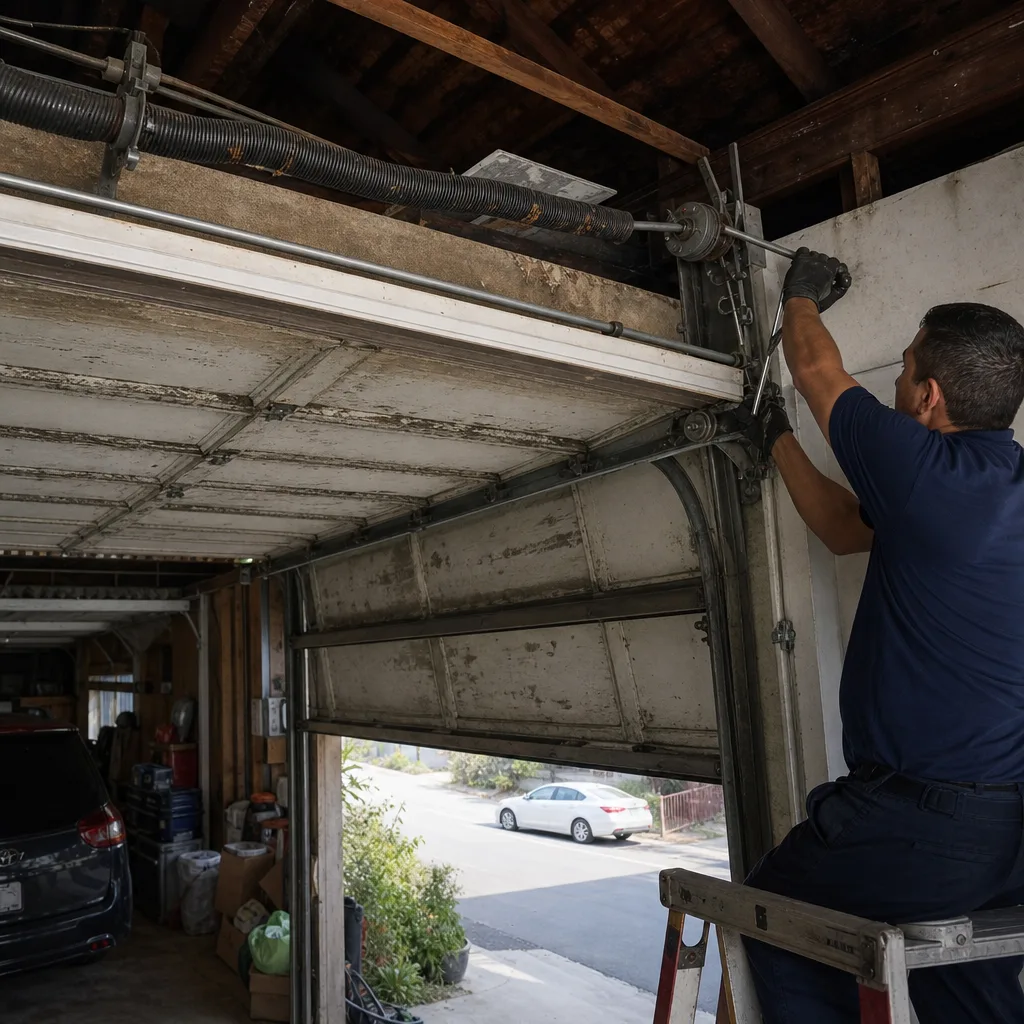 Before
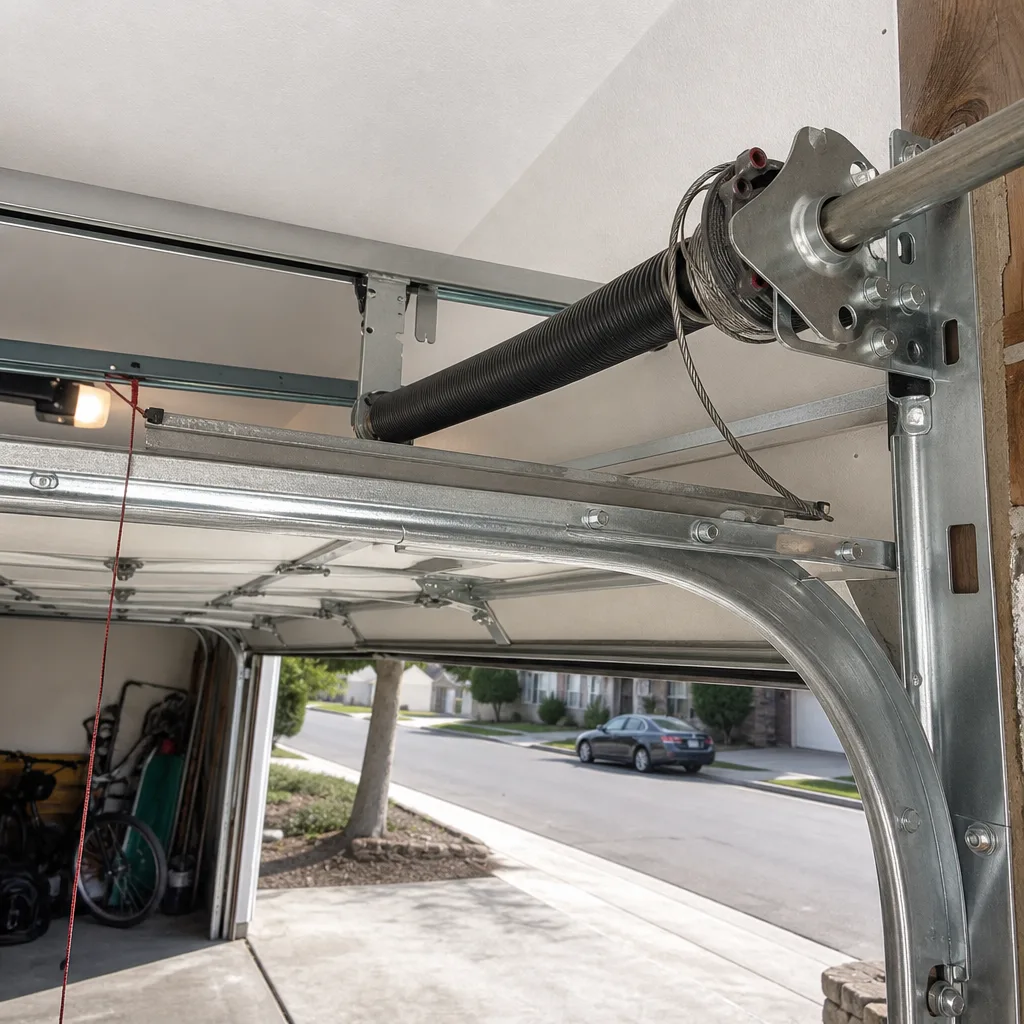 After
 Before
 After
 Before
 After