
Last updated November 2, 2026
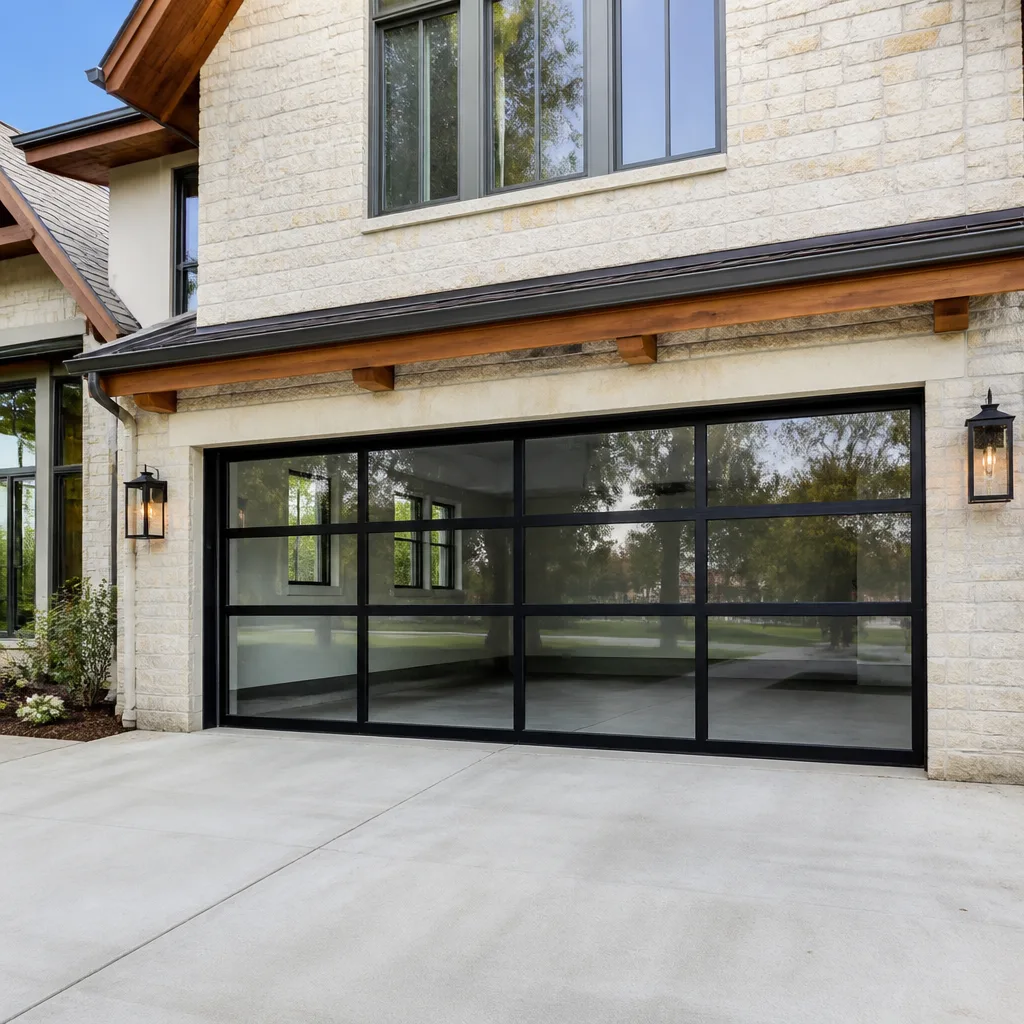 Full-view glass
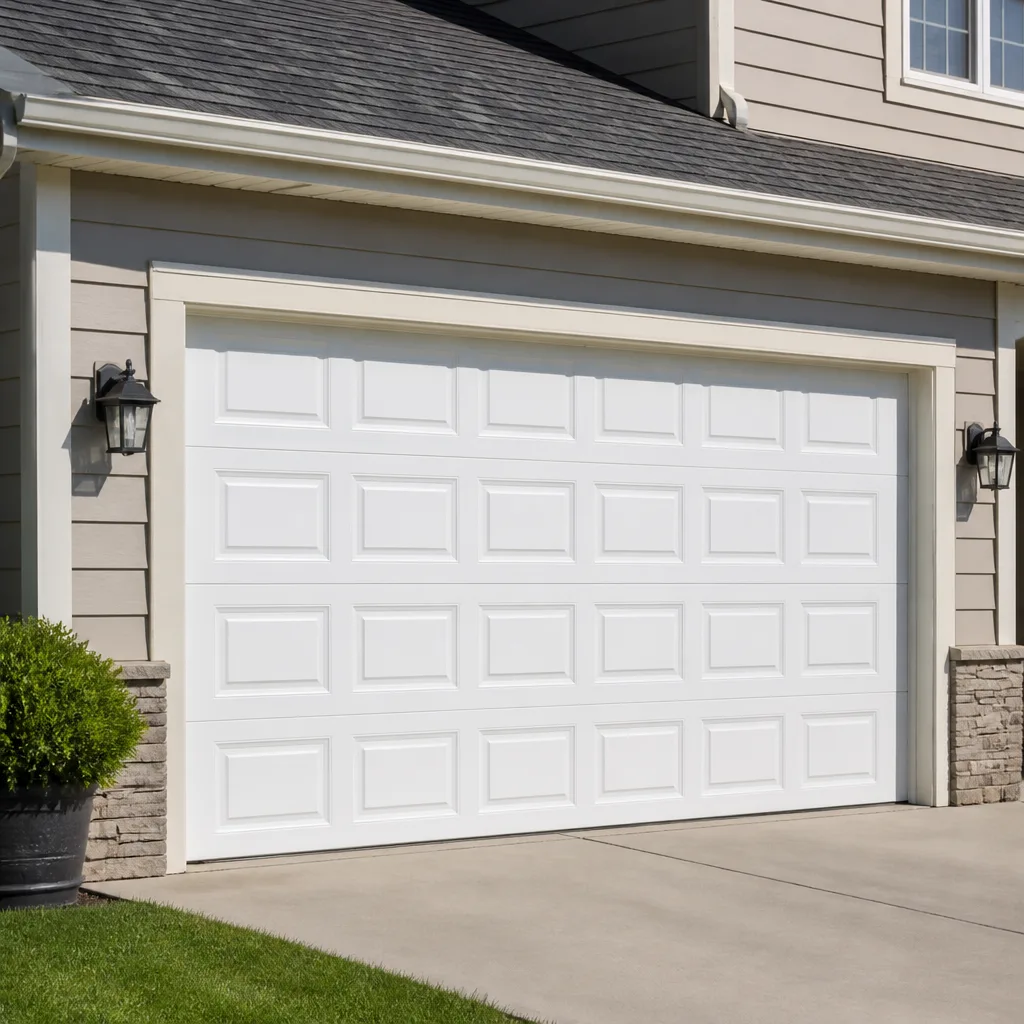 Raised-panel steel
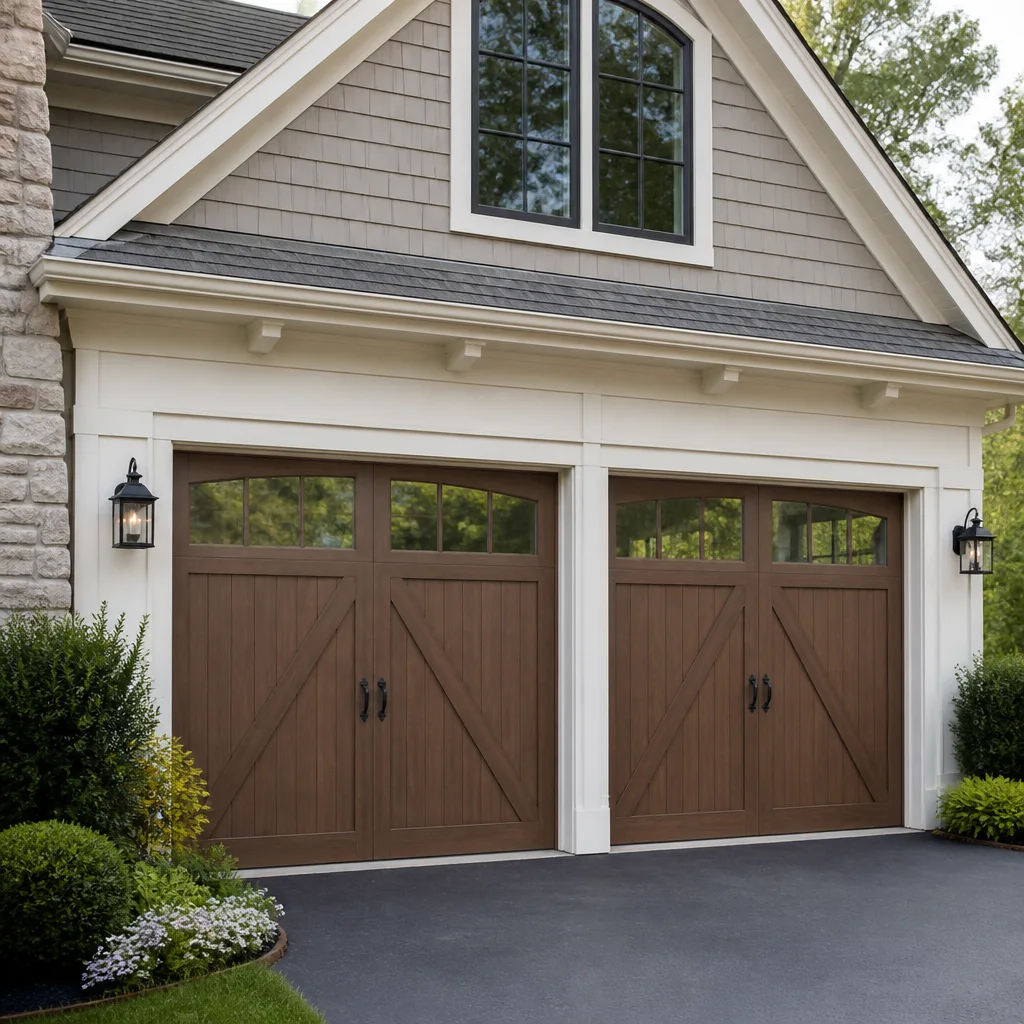 Carriage house
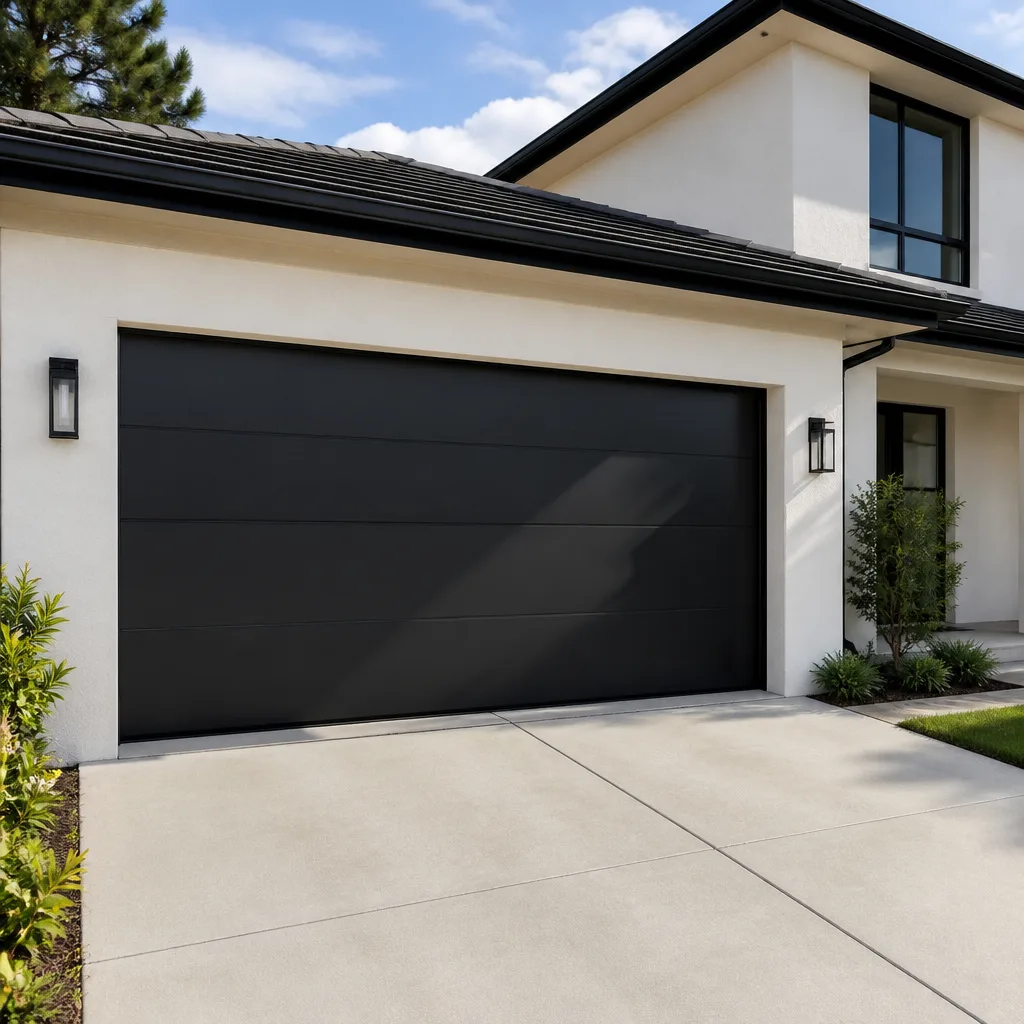 Modern flush
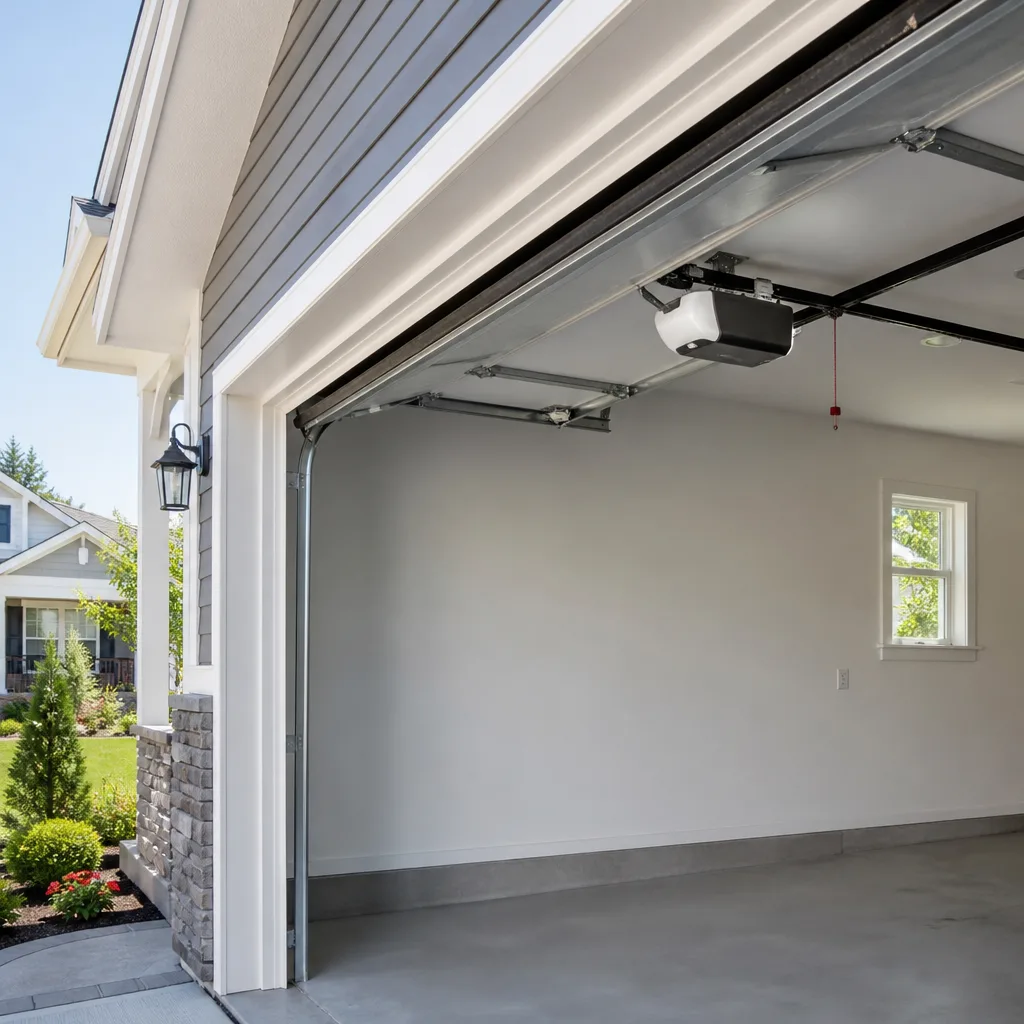 LiftMaster openers
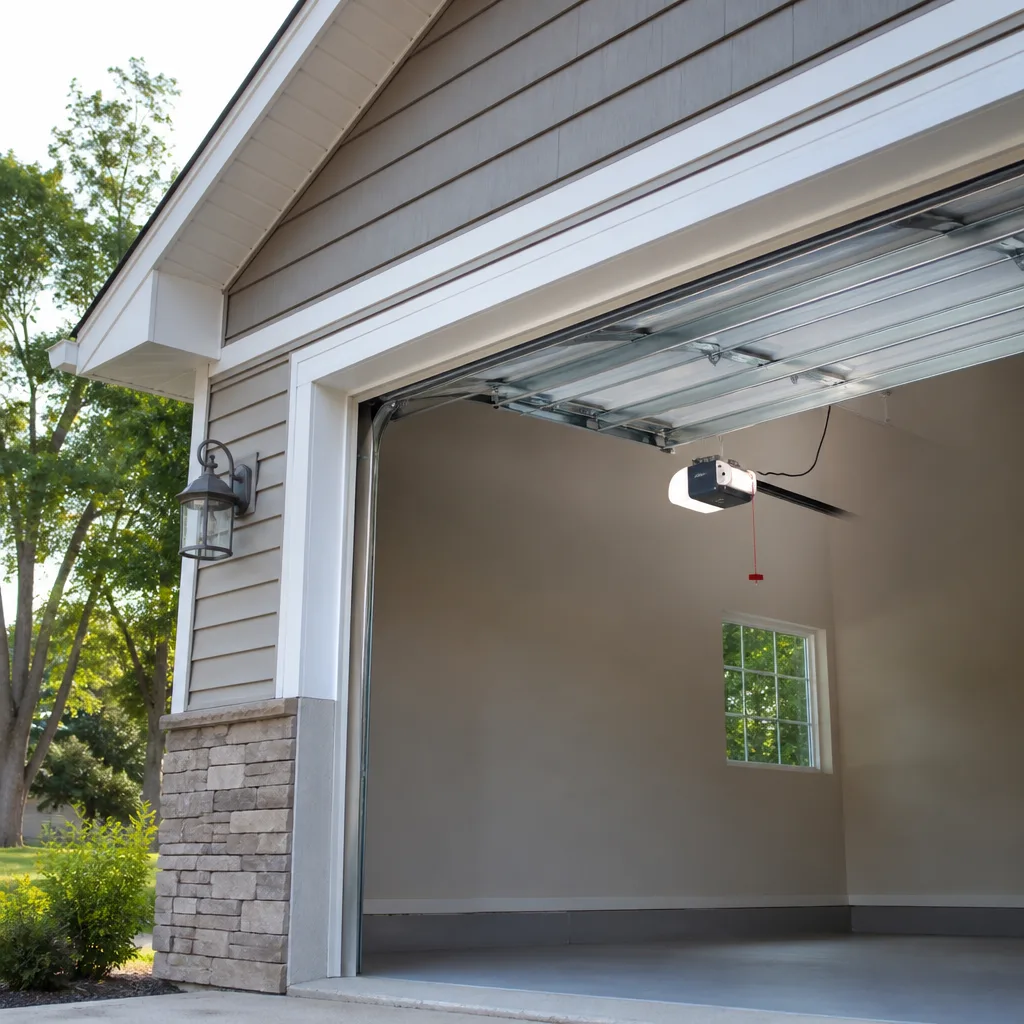 Chamberlain openers
Full 25-point door and opener safety check with every visit - springs, cables, rollers, tracks, and your LiftMaster or Chamberlain opener included
You get a price before we start. It does not change when the truck arrives.
Get your free estimateGarage Door Warning Signs: A Lake View Terrace Homeowner’s Reference Guide
A garage door doesn’t usually fail without warning. It fails after homeowners noticed something “a little off” weeks ago and assumed it would sort itself out. In Lake View Terrace, where summer heat hits the Foothill corridor hard and winter brings those cold, dry Santa Ana nights, metal fatigues and lubricants break down faster than homeowners expect. This guide turns the vague feeling that something’s wrong into specific, actionable knowledge, so you know exactly what you’re looking at, what it means, and whether you should watch it or shut the door down. For how to hire a garage door contractor in Lake View Terrace: a step-by-step guide, see our related resource. By the time you finish reading, you’ll be able to read your garage door the way a specialist does, and you’ll know which symptoms deserve a phone call and which ones can wait.
Styles & brands we work with
- Raised-panel steel
- Carriage house
- Modern flush
- Full-view glass
- LiftMaster openers
- Chamberlain openers
Quick Answer
Most garage door failures announce themselves weeks or months in advance through changes in sound, movement speed, or visual alignment. Any grinding, popping, or sudden change in how the door moves is a real warning sign, not normal wear noise. The most urgent signs, a visibly loose cable, a door that sits crooked, or a popping sound like a gunshot, mean stop using the door immediately and call a garage door specialist. For everyone in Lake View Terrace, that call is Garage Door Repair in Lake View Terrace at (866) 282-6912.
Table of Contents
- Sound-Based Warning Signs: What Your Door Is Trying to Tell You
- Visual Warning Signs Most Homeowners Misread
- Speed and Movement Anomalies: Too Fast, Too Slow, or Hesitating
- Signs You Can Monitor vs. Signs That Mean Stop Now
- Symptom-to-Cause Quick Reference for Lake View Terrace Homes
- How the Lake View Terrace Climate Accelerates Wear
- Opener Problems vs. Door Problems: Knowing the Difference
- Common Mistakes to Avoid
- When to Call a Professional
- Frequently Asked Questions
- The Bottom Line
Sound-Based Warning Signs: What Your Door Is Trying to Tell You
Garage doors speak a language of sound, and each noise points to a specific component. In our experience at Whitfield Garage Door Repair, the difference between a $20 fix and a $400 replacement usually comes down to how early the homeowner recognized which sound they were hearing. Here’s what each sound means.
Grinding
Grinding is almost always metal-on-metal contact where there shouldn’t be any. It means a component has lost its lubrication or a bearing has begun to fail. On belt-drive openers from LiftMaster or Chamberlain, grinding often points to a worn gear inside the opener housing. On the door itself, grinding rollers, usually steel rollers without bearings, scrape against the track. Ignored grinding turns into scored tracks and stretched chains. Regular lubrication with a silicone-based spray on rollers and hinges, never WD-40, resolves early grinding. If the grinding persists after lubrication, the roller bearings have failed and need professional replacement.
Squealing
Squealing is higher-pitched than grinding and usually comes from either the rollers or an opener chain. In our experience, Craftsman chain-drive openers are frequent squealers because the chains carry more surface friction than belt drives. A squeal that happens only when the door moves points to rollers. A squeal that happens only while the opener runs points to the chain. Lubrication buys time, but if the squeal returns within a week, the component is worn past the point where lubricant helps. Raynor doors, which use specific roller profiles, tolerate less roller wear than other brands before noise becomes a structural concern.
Popping
Popping is the most serious sound a garage door makes. It means a spring has just broken or is about to break. Torsion springs, the coil springs mounted above the door opening, hold enormous tension. When a coil snaps, the sound is a sharp crack, like a car backfiring from inside the garage. Extension springs, the stretched springs alongside the tracks, pop differently, more like a metallic twang. If you hear a popping sound and the door will not open, do not try to force it. A broken spring means the door’s full weight, often 150 to 200 pounds, now rests on the opener alone. The door cable can slip, the opener gears can strip, or the door itself can drop. This is a stop immediately situation. Call a garage door specialist before touching the door again.
Rattling
Rattling is the one sound that is often, but not always, benign. A rattle that changes with the door’s position usually comes from loose bolts on hinges, brackets, or the track mounting hardware. A constant rattle, even when the door is still, points to something resting on the opener rail or a loose component inside the opener. On homes in Lake View Terrace, where dry air lets metal components expand and contract more dramatically between day and night temperatures, we see more loose-bolt rattles than coastal areas. Tightening all visible nuts and bolts with a socket wrench resolves most rattles. If the rattle persists after tightening, it is worth a professional look because persistent rattling accelerates metal fatigue on every connected component.
Visual Warning Signs Most Homeowners Misread
Some warning signs are silent. They show up as subtle changes in how the door sits, and because they appear gradually, they become part of the scenery. Here are the visual signs that matter most, and what each one actually indicates.
A Door That Sits Slightly Crooked
Any tilt in your garage door, even half an inch, is a red flag. A properly installed and balanced door sits perfectly level when closed. If one side touches the ground and the other side shows a gap, one of three things is happening: a spring is weakening, a cable has slipped or stretched, or a track has shifted. None of these self-correct. A crooked door also places unbalanced stress on the opener, and on Genie openers, which use a specific rail geometry, that unbalanced stress accelerates gear wear. We have seen Lake View Terrace homeowners live with a slightly crooked door for months, only to have a cable snap when they least expect it. If the gap changes size from day to day, the cable or spring is actively deteriorating. This requires professional attention now, not next month.
An Uneven Gap at the Floor
Look at the gap between the bottom of the door and the garage floor. Uneven gaps mean the door is no longer sitting true in its tracks. Sometimes the issue is as simple as debris in the track. More often, it is a sign of spring fatigue. Torsion springs lose tension over years of cycles. As the spring weakens, the door loses its balance and the heavier side drops. Even a quarter-inch difference is measurable and meaningful. If you want to check balance yourself, pull the emergency release cord with the door closed, then lift the door manually about halfway. A healthy door stays put, or moves only slightly. A door that drops or rises on its own has a spring problem. This check takes thirty seconds and it tells you what no inspection from the outside ever will.
Visible Cable Slack
The cables on either side of the door should be taut at all times. If you can see sag or slack in a cable when the door is fully open, the cable is coming off its drum or the spring has broken. A cable that has come off the drum can wrap around the shaft, bind the door, and cause serious injury to anyone standing nearby. This is one of the few warning signs that means close the door, leave it closed, and call a professional. Do not attempt to re-seat the cable yourself. The spring tension that drives these cables is enough to break fingers, hands, or worse. In Lake View Terrace, where garage doors run more cycles in summer because kids are in and out all day, cable problems are more common in August than any other month. We recommend an annual check in late spring, before the heavy-use season starts.
Daylight Around the Door Edges
If you can see daylight peeking around the perimeter of your closed garage door, the weatherstripping has failed or the door has shifted. Weatherstripping failure is common in Lake View Terrace, where intense sun and dry air bake the rubber seals until they crack and shrink. Daylight means the garage is no longer sealed against dust, insects, or the occasional rodent looking for warmth in winter. If daylight appears unevenly, more on one side than the other, that points back to a door that is out of alignment. Even daylight all around, with brittle or cracked seals, is an easy replacement job. Good seals also keep out the fine dust that blows off the Hansen Dam area during windy days, which is a real consideration for anyone who stores vehicles or keeps a workshop in the garage.
Speed and Movement Anomalies: Too Fast, Too Slow, or Hesitating
A healthy garage door moves at a steady, deliberate pace, roughly 7 to 9 inches per second. When that pace changes, the door is trying to tell you something about its springs, its tracks, or its opener. Here is how to read movement anomalies.
A Door That Moves Too Fast
If your door drops faster than it used to, especially in the last few inches before it hits the ground, the springs are losing tension. Springs do the heavy lifting. As they weaken, the door’s weight overwhelms the opener’s controlled descent. A door that slams the last few inches is not just noisy, it is dangerous. The force of a dropping door can injure a child, a pet, or an adult who happens to be under it. Modern openers from LiftMaster and Chamberlain include force-sensing technology, but those sensors are calibrated for a properly balanced door. If the springs are the problem, no opener setting will fully compensate. A fast-closing door needs a spring assessment. Do not wait until the door drops hard enough to break something or someone.
A Door That Moves Too Slowly
A slow door is usually a tired opener or a binding track. If the door moves like it is pushing through mud, check the tracks first. Dry rollers create friction, and friction slows everything down. In Lake View Terrace, where dry air strips lubricant faster than humid climates, we see slow doors more often than any other complaint. If lubrication helps, you solved it. If the door remains slow after lubricating rollers and hinges, the opener motor is working too hard and losing power. Opener motors do not age gracefully. A Chamberlain or Genie opener that has run 10,000 cycles may simply be reaching the end of its design life. Replacing the opener before it fails is a choice, not an emergency. A slow door is usually not dangerous, but it is a signal that something is wearing.
A Door That Hesitates or Stutters
Hesitation, where the door stops briefly and then continues, is different from slowness. It usually points to an obstruction, a worn gear, or a track issue. Watch the door closely as it moves. If the hesitation happens at the same spot every time, something in that section of track is binding, perhaps a misaligned joint or a dent from a past impact. If the hesitation is random, the opener gear may be slipping. On screw-drive openers, hesitation is a classic sign of a worn screw assembly. On belt-drive units, it often points to a failing capacitor in the motor. Hesitation is a fix-it-soon situation, not an emergency, but it will not fix itself.
Signs You Can Monitor vs. Signs That Mean Stop Now
Not every warning sign requires immediate action. Knowing the difference between monitor and stop saves you from panic and also saves you from the expensive repair that could have been caught earlier. Here is the framework we use at Whitfield Garage Door Repair to assess urgency.
Safe to Monitor (Weeks, Not Months)
These symptoms warrant attention, but your door is not about to fail dangerously. You have time to schedule a service call on your own terms.
- A new squeak or squeal that is not accompanied by any change in door speed or balance. Lubricate first. If the sound returns within a week, call for service.
- Mild rattling that changes with door position. Tighten visible bolts. If it persists, schedule an inspection.
- Slightly slow movement with no visible track obstruction and no change in how the door closes. Lubricate and monitor.
- Cosmetic panel cracks that do not affect the door’s structural integrity or operation.
- Intermittent opener remote issues where the wall button still works reliably.
Stop Using the Door Immediately
These symptoms indicate active component failure or a genuine injury risk. Close the door if it is open, unplug the opener if you can, and call a professional before using the door again.
- A loud popping or cracking sound followed by the door refusing to open. A spring has broken. The cable is no longer under control.
- Visible cable slack or a cable hanging off the drum. The door’s weight distribution is compromised.
- A door that sits visibly crooked with one side touching the ground and the other showing a gap of an inch or more.
- A door that drops quickly, even once. That is a spring or cable failure waiting to happen.
- Any door that has been hit by a vehicle, even if it still opens. Impact damage bends tracks and compromises rollers in ways that worsen with each cycle.
If you are in any doubt, err on the side of stopping. A door that cannot be used safely is inconvenience. A door that is forced to run with a broken spring can send a cable whipping across the garage. That is not a chance worth taking.
Symptom-to-Cause Quick Reference for Lake View Terrace Homes
Here is the at-a-glance table for the ten most common observable problems we see in Lake View Terrace garages. If you are reading this on a phone, the information works just as well as a list of separate lines.
Top 10 Symptoms, Likely Causes, and Urgency
- Door will not open at all, opener runs but nothing moves: Broken spring or stripped opener gear. Stop use. Call same day.
- Door opens partway and reverses: Obstruction in track, misaligned sensor, or failing spring balance. Monitor if sensor-related. Call if track-related.
- Loud grinding during operation: Unlubricated or failed roller bearings, worn opener gear. Lubricate first. Call if grinding persists.
- Door sits crooked when closed: Weakened spring, slipped cable, or shifted track. Stop use. Call same day.
- Door shakes or shimmies while moving: Loose track hardware, worn rollers, or panel hinge failure. Call for inspection within a week.
- Remote works only from very close: Opener receiver issue or signal interference. Replace remote battery first. Call if multiple remotes affected.
- Door slams the last few inches: Loss of spring tension. Stop use. Call same day.
- Visible gap under one side when closed: Unbalanced door or deteriorated floor seal. Check for debris. Call if gap is structural.
- Opener runs but chain or belt doesn’t move: Worn gear or carriage inside opener. Call for opener-specific repair.
- Constant rattling when door is stationary: Loose hardware on opener rail or within opener unit. Tighten accessible bolts. Call if rattle persists.
One note specific to Lake View Terrace: the dry air and heat mean lubrication does not last as long as product labels suggest. A silicone lubricant applied in June may be gone by September. Adjust your maintenance schedule accordingly, or see our seasonal garage door care for Lake View Terrace: year-round homeowner’s guide for a full maintenance calendar.
How the Lake View Terrace Climate Accelerates Wear
Lake View Terrace sits in the northeastern San Fernando Valley, where summers push into triple digits and winters bring cold, dry air down from the San Gabriels. That temperature swing matters more than most homeowners realize. Metal expands in heat and contracts in cold. Rubber seals bake, crack, and shrink. Lubricants evaporate. The garage door you installed in 2015 has been through nearly a decade of thermal cycling, and every cycle adds a tiny amount of wear to springs, rollers, and hinges.
We see the pattern every year. Spring arrives and suddenly garage doors that worked fine all winter start making noise or moving sluggishly. Some of this is simply the lubricant that thickened in the cold then dried out in the heat. Some of it is more serious, springs that have lost enough tension over winter that the first heat wave reveals the imbalance. We also see more cable issues in August, when doors run their highest cycle counts because kids and adults are in and out constantly. If you live in Lake View Terrace and your garage door is the main entry to your home, you are putting more cycles on it than the average household, and that means more frequent spring and roller wear. An annual service call in late spring is cheap insurance for the heavy-use summer months.
Opener Problems vs. Door Problems: Knowing the Difference
One of the most useful diagnostic skills a homeowner can develop is distinguishing between an opener problem and a door problem. They present differently, and they require different fixes. Here is how we train our own eyes and ears.
How to Tell an Opener Problem
- The wall button and remotes only work intermittently, but the door moves normally when it does run.
- The opener motor runs but the chain, belt, or screw does not move. The gear or carriage is stripped, a common failure point on older Craftsman and Chamberlain units.
- The opener makes a clicking sound but nothing happens. The capacitor or logic board is failing.
- The remote only works from within a few feet, but the wall button is reliable. The receiver is the issue.
- The opener reverses for no apparent reason. The force settings or sensors are out of adjustment.
How to Tell a Door Problem
- The door moves unevenly, with one side higher than the other during travel.
- The door feels heavy when you pull the emergency release and try to lift it manually.
- The door drops quickly when closing, even though the opener seems to be running normally.
- You can see gaps, cracks, or rust on the springs, cables, or rollers.
- The door makes grinding or popping sounds that come from the door itself, not the opener unit.
The opener is the engine, and the door is the load. A healthy opener cannot compensate for a broken spring, and a freshly tuned door cannot fix a stripped opener gear. At Whitfield Garage Door Repair, we handle both, and we carry parts for LiftMaster, Chamberlain, Genie, and Craftsman openers on the truck. That means one visit usually resolves the problem, whichever component is at fault. Our Garage Door Opener Repair in Lake View Terrace service exists specifically because opener electronics scare off most handymen, and homeowners deserve better than a guess.
Common Mistakes to Avoid
- Ignoring a new sound in the first week. That first week is when the sound is cheapest to fix. A squeak that costs a $5 lubrication this week can be a $200 roller replacement next season.
- Lubricating with the wrong product. WD-40 is a solvent, not a lubricant. It strips away the thin film of protection that existing lubricant provides. Use a silicone-based garage door lubricant, and apply it to rollers, hinges, and springs.
- Forcing the door after a spring breaks. We cannot say this strongly enough. The opener motor can strip its own gear trying to lift a door with a broken spring, turning a spring replacement into a spring plus opener repair. If the door will not open, stop trying.
- Watching a crooked door instead of calling about a crooked door. The door is not going to straighten itself. Every cycle it runs while crooked puts extra load on the good spring and the cable, moving you closer to a failure that takes the door out completely.
- Replacing the opener when the door is the problem. We see this every month. Homeowners assume a slow, struggling opener means the opener is failing, but the real issue is a door that has lost its balance and is making the opener work double. A specialist diagnoses before recommending.
- Treating all warning signs with equal urgency. A rattle and a pop are not the same. Part of this guide’s purpose is to help you prioritize. A rattle can wait a week. A pop cannot wait a day.
- Skipping the annual inspection. In Lake View Terrace’s climate, a year is a long time for a garage door. The best time to catch a failing spring is before it breaks, and the best way to do that is to have the springs checked once a year.
When to Call a Professional
Call a garage door specialist the day you notice any of the stop use symptoms listed above: a broken spring, a slack cable, a crooked door, a slamming close. Call within the week for grinding that persists after lubrication, hesitation that is not resolved by cleaning the tracks, or a door that is visibly out of balance. Call at your convenience for seasonal lubrication, a general inspection, or to ask questions about anything you have noticed, and explore more guides & resources on our blog. Whitfield Garage Door Repair offers free estimates in Lake View Terrace, and we will give you a straight answer about whether a repair or replacement makes sense. Call (866) 282-6912.
Frequently Asked Questions
A squeak that goes away after lubrication and stays away for months is not urgent. A squeak that returns within a week points to worn rollers or a dry chain, and that will progress to grinding and damage if left alone for more than a few weeks. We recommend lubricating first, listening for a week, and calling if the sound comes back.
The most common warning sign we see in Lake View Terrace is a door that moves slowly, especially in late summer. Dry air strips lubricant faster than most other climates, and the heavy cycle count during summer accelerates the effect. It is usually a simple fix, but it is also a clue that other maintenance is overdue.
You should not. Torsion springs carry enough tension to cause catastrophic injury if they release unexpectedly. A specialist has the winding tools, the correct spring for your door’s weight, and the experience to make the replacement safely. This is one repair where the risk-to-reward math does not favor DIY.
In Lake View Terrace, afternoon failures are often the result of metal expansion. As the day heats up, tracks and door panels expand, and a door that was marginally aligned in the cool morning can bind in the afternoon heat. This usually means the door or track is slightly out of adjustment, and the problem will worsen as the temperature swings continue.
Repair costs vary by the part and the extent of the work, but spring replacement typically falls in the $180 to $350 range, roller replacement between $150 and $250, and opener gear replacement between $120 and $200. The exact price depends on your door’s brand, weight, and configuration. Call (866) 282-6912 for a free estimate, and we quote the price before any work begins.
Not necessarily. Opener noise is often a repairable issue within the opener itself, like a worn gear or a dry chain. A skilled opener repair specialist can diagnose the specific cause and replace the failing part without changing your door. We repair LiftMaster, Chamberlain, Genie, and Craftsman openers, and we only recommend replacement when the opener is beyond practical repair.
The Bottom Line
Your garage door is the largest moving part in your home, and it speaks clearly if you know how to listen. Grinding means friction, squealing means wear, popping means a spring has failed, and rattling means something is loose. A crooked door or a fast drop means stop and call. A slow door or a mild squeak means schedule service at your convenience. In Lake View Terrace’s demanding climate, annual maintenance is not a luxury, it is the price of reliability. And whenever the warning signs appear, a focused Garage Door Repair in Lake View Terrace specialist can diagnose the exact cause on the first visit, usually with parts on the truck. Whitfield Garage Door Repair handles repair, opener work, and Garage Door Installation in Lake View Terrace. Call (866) 282-6912 when you notice the warning signs, not after the door stops working entirely.
Written by the team at Whitfield Garage Door Repair, serving Lake View Terrace since 2012.
See the difference
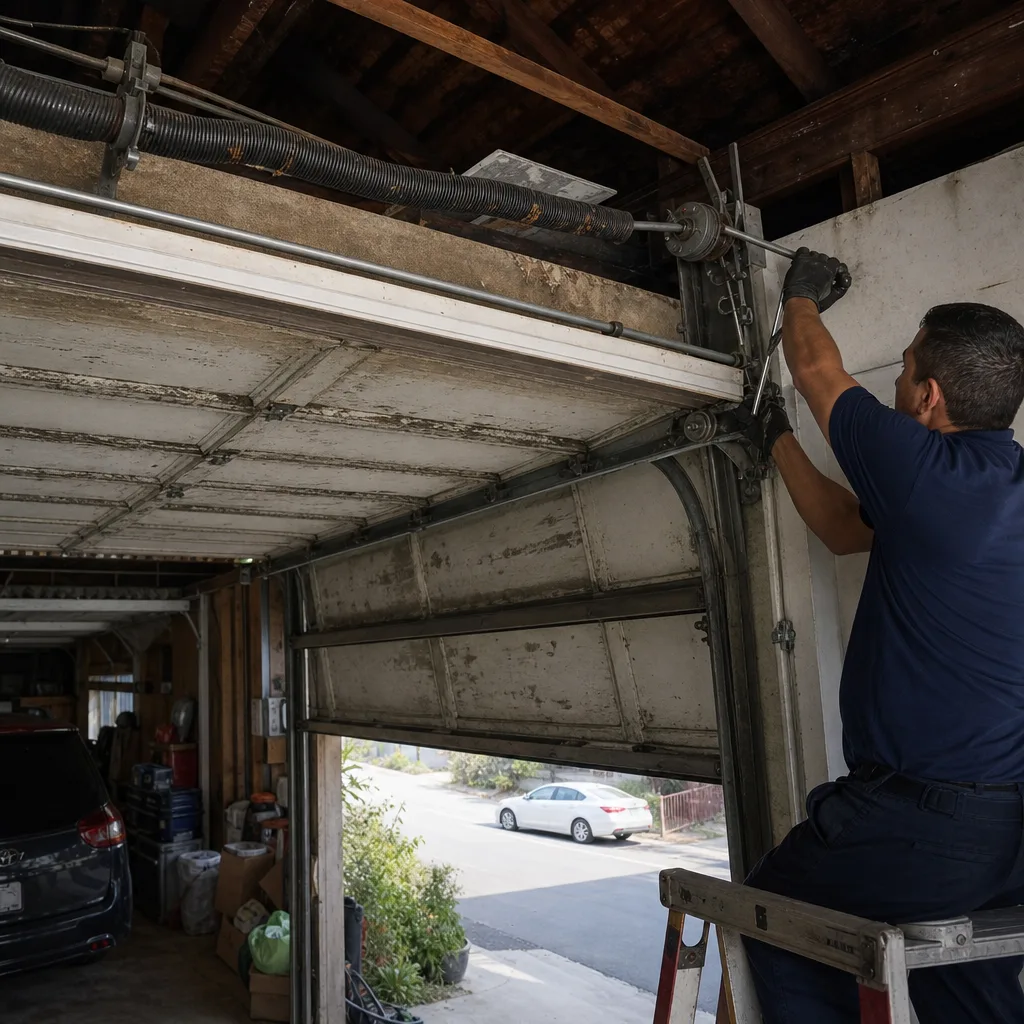 Before
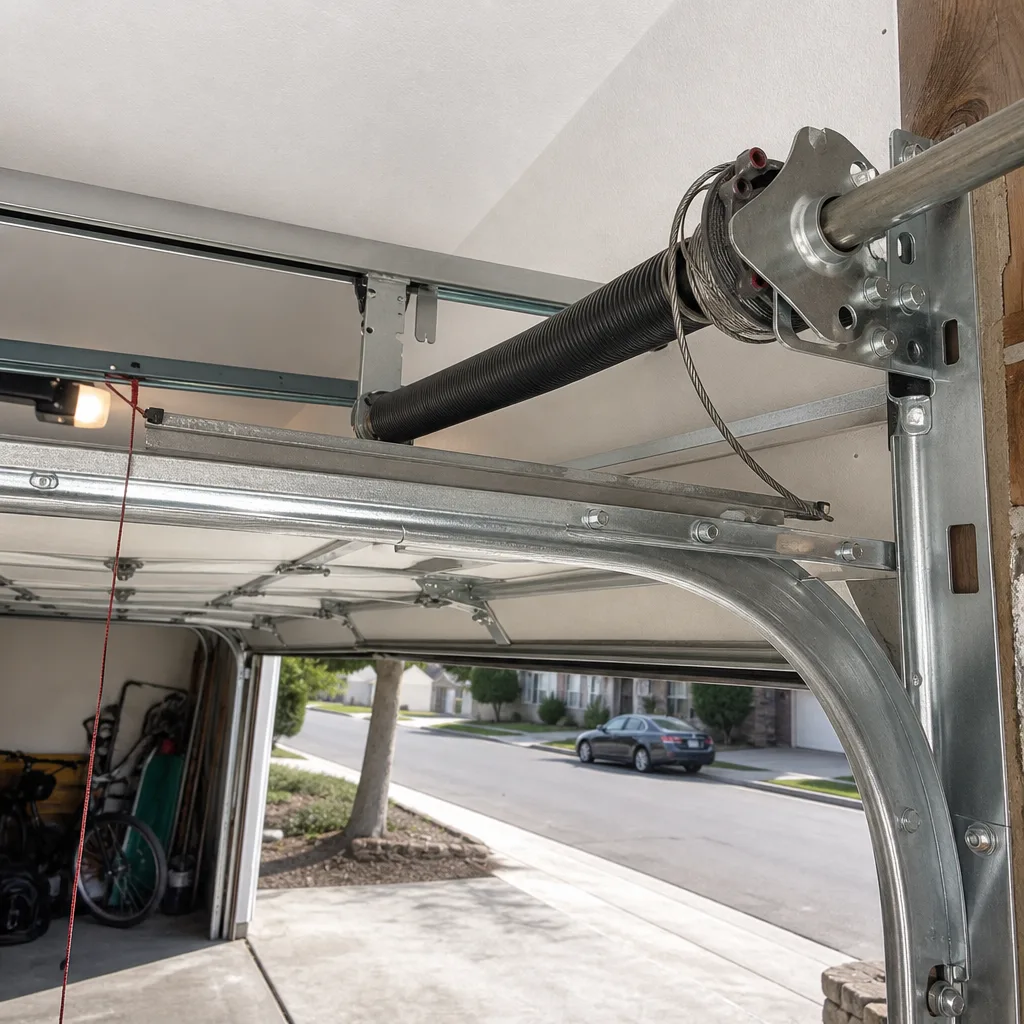 After
 Before
 After
 Before
 After