
Last updated November 3, 2026
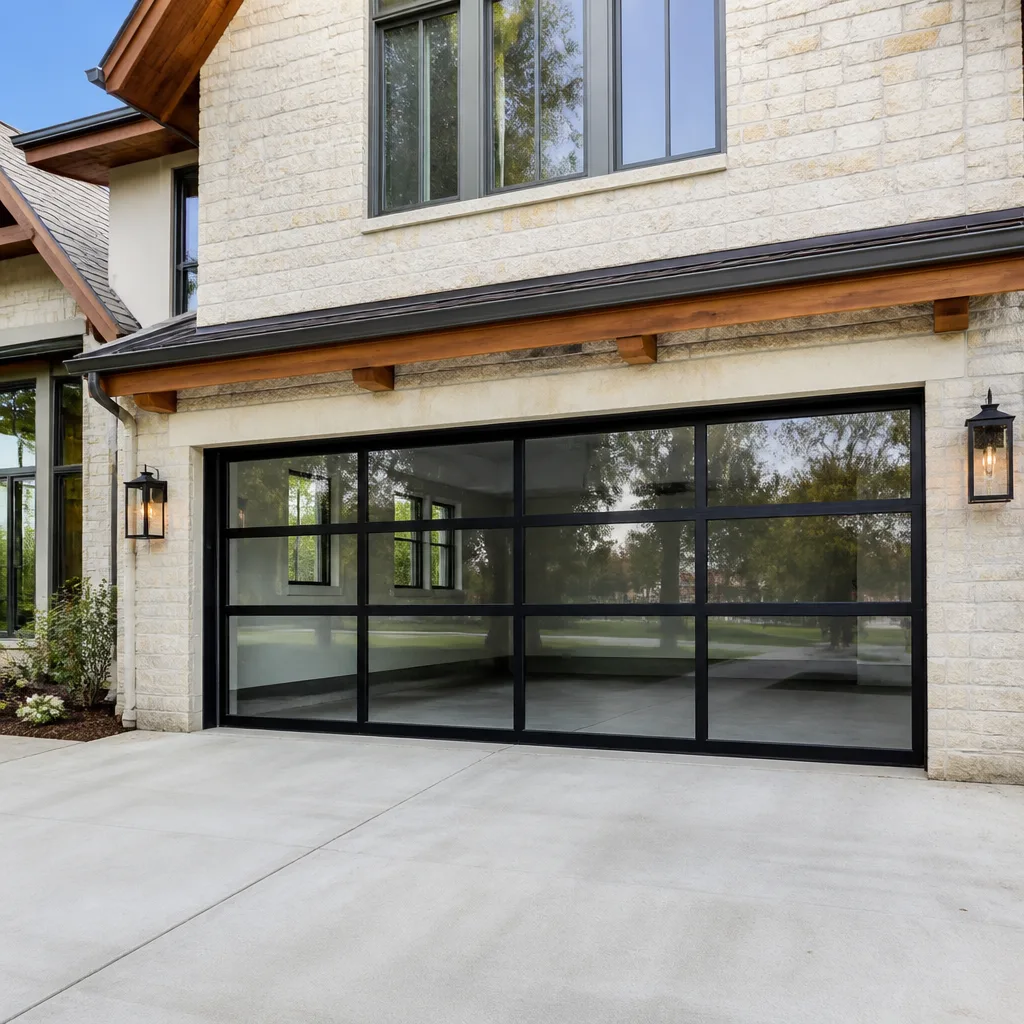 Full-view glass
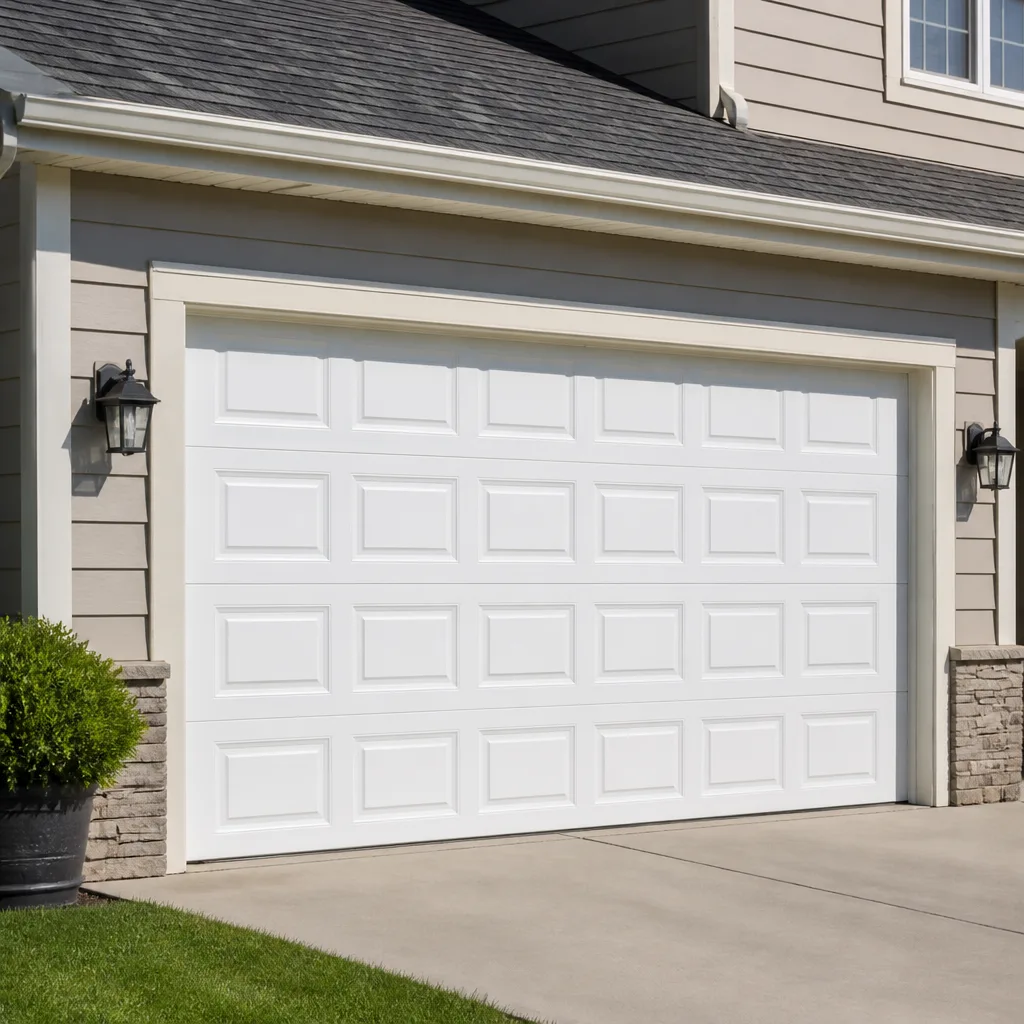 Raised-panel steel
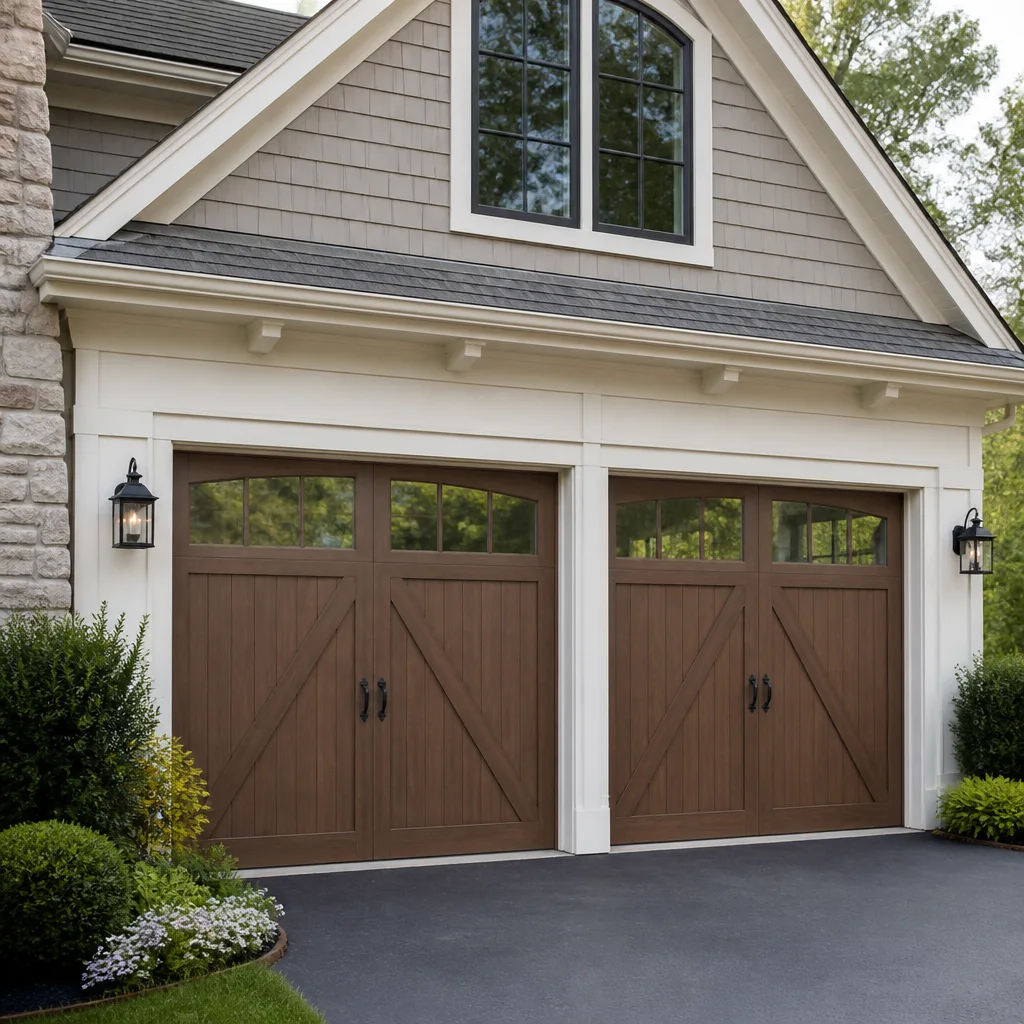 Carriage house
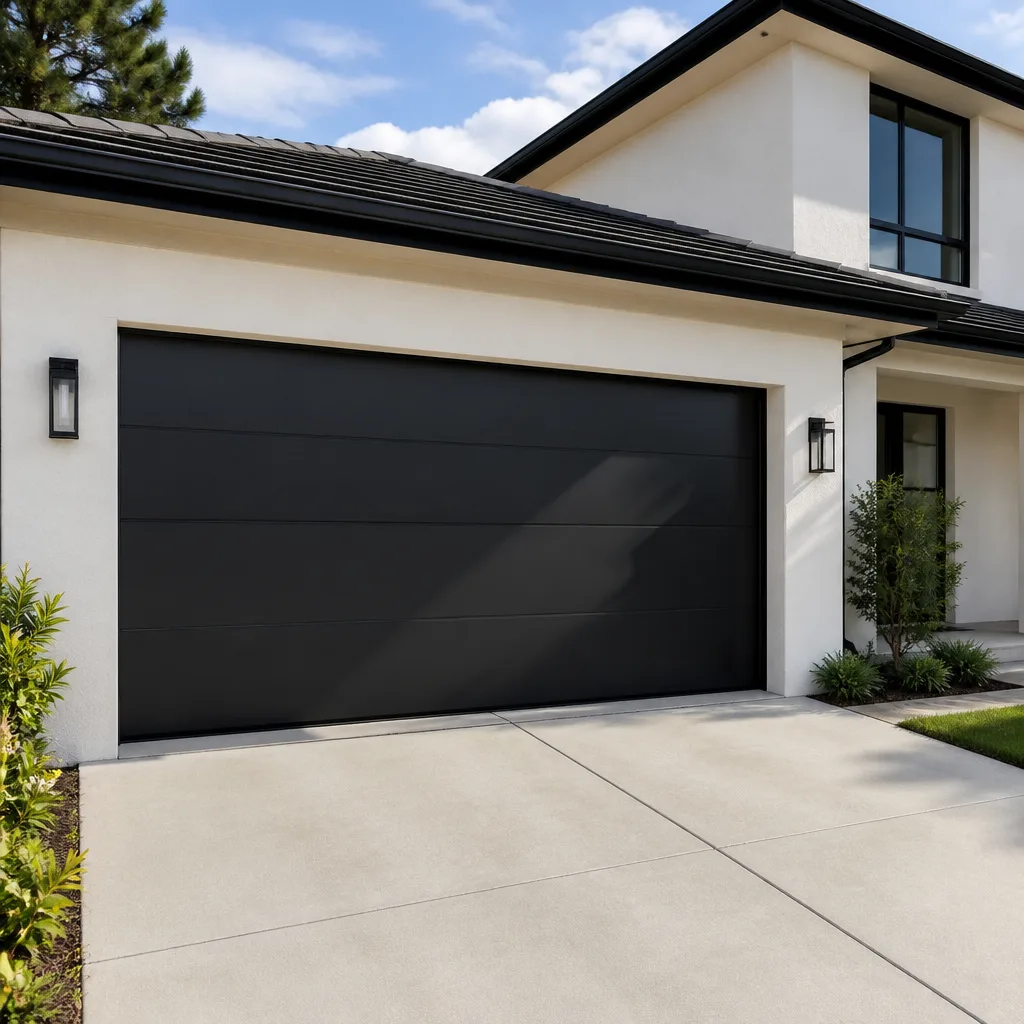 Modern flush
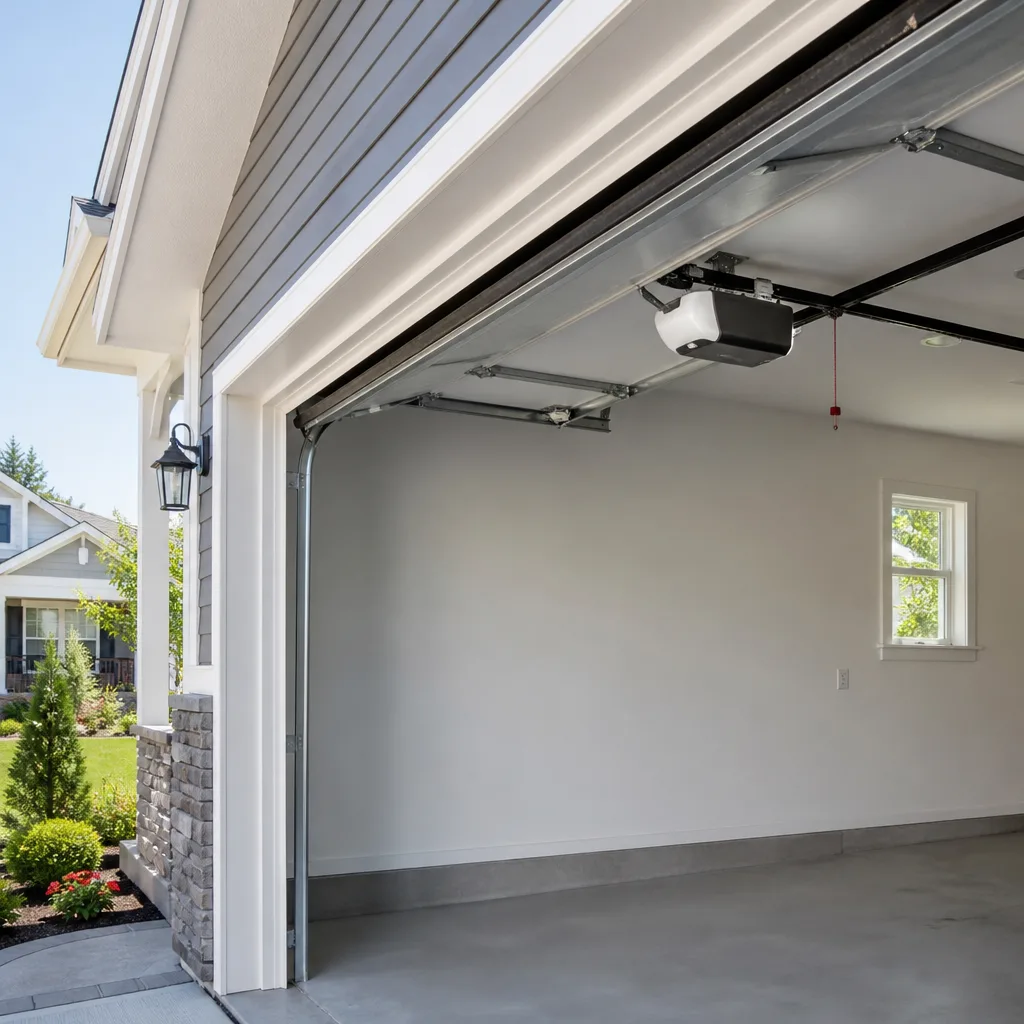 LiftMaster openers
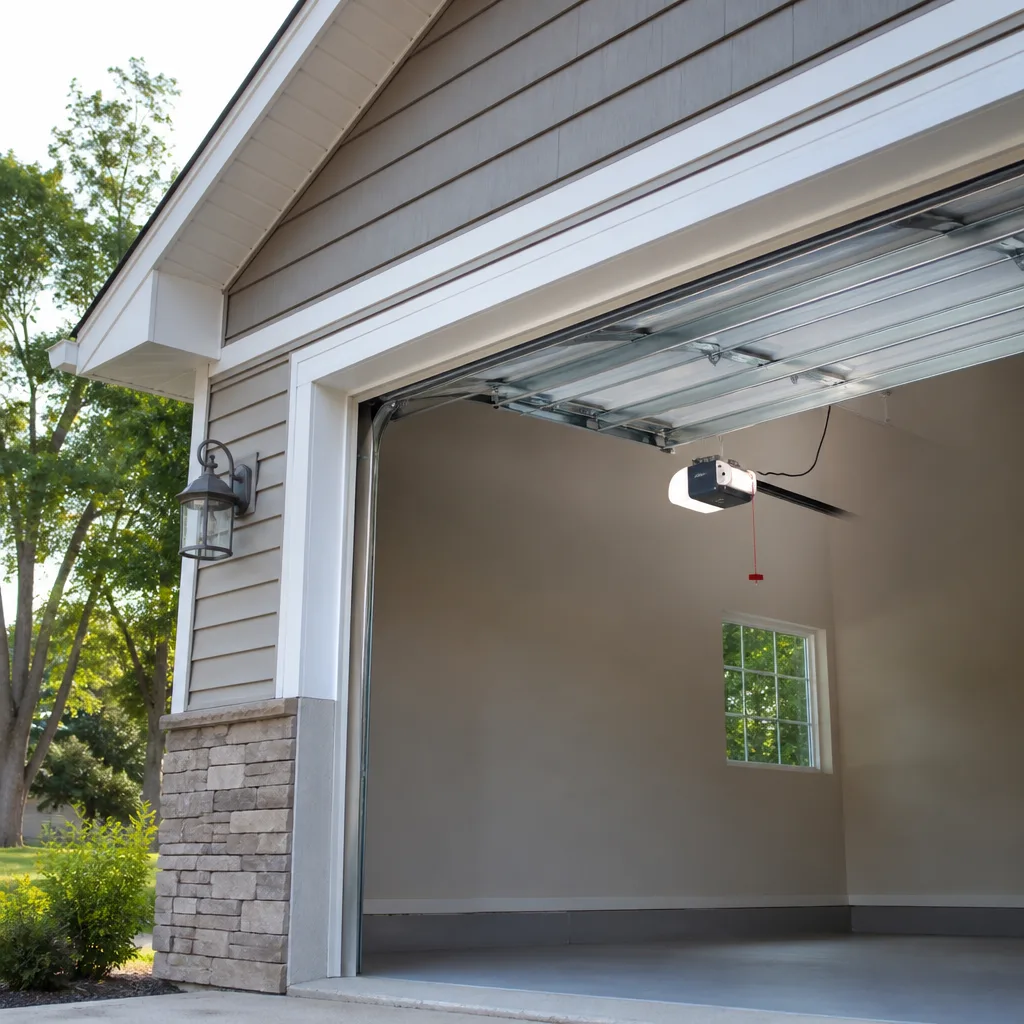 Chamberlain openers
Full 25-point door and opener safety check with every visit - springs, cables, rollers, tracks, and your LiftMaster or Chamberlain opener included
You get a price before we start. It does not change when the truck arrives.
Get your free estimateSeasonal Garage Door Care for Lake View Terrace: Year-Round Homeowner’s Guide
Lake View Terrace homeowners who assume mild weather means low maintenance are often the ones calling for emergency service in October, right after Santa Ana season puts maximum stress on hardware they haven’t touched in a year. The thinking goes: no snow, no ice, no problem. But garage doors here don’t fail from freezing temperatures. They fail from heat cycles, wind loads, dust intrusion, and the slow creep of metal fatigue that nobody notices until a spring snaps at 7 a.m. on a workday. This guide walks through the four distinct stress periods we see in Lake View Terrace, what actually happens to your door during each one, and the specific maintenance tasks that prevent those 7 a.m. emergencies. For a deeper dive, see our The Complete Garage Door Repair Guide for Lake View Terrace Homeowners.
Quick Answer
Garage door care in Lake View Terrace is not a once-a-year chore. It’s four targeted checkpoints tied to the local climate: post-winter moisture inspection, pre-summer heat preparation, pre-Santa Ana wind load checks, and winter seal and spring calibration. Most failures we see are preventable with about 20 minutes of attention per season, and the components that matter most are torsion springs, rollers, weatherstripping, and the opener’s circuit board.
Styles & brands we work with
- Raised-panel steel
- Carriage house
- Modern flush
- Full-view glass
- LiftMaster openers
- Chamberlain openers
Table of Contents
- Spring: Post-Rain Moisture Check and Hardware Reconditioning
- Summer: Heat Fatigue and Opener Electronics
- Fall: Santa Ana Wind Preparation and Emergency Release Verification
- Winter: Freeze-Responsive Components on Hillside Homes
- The Lake View Terrace Monthly Quick Check
- Common Mistakes to Avoid
- When to Call a Professional
- Frequently Asked Questions
Spring: Post-Rain Moisture Check and Hardware Reconditioning
Lake View Terrace gets most of its annual rainfall between December and March. By April, the ground has dried, but the inside of your garage door tracks and hardware may have absorbed moisture from weeks of elevated humidity. This is the season where we see the beginnings of surface rust on roller stems, stiffening hinges, and weatherstripping that’s quietly separated from the bottom rail.
The metal components on garage doors sold in Southern California are typically galvanized or powder-coated, which handles dry heat well. But repeated wet-dry cycles from winter rain can compromise those coatings at friction points. Hinges and roller brackets are particularly vulnerable because the coating wears thin at the pivot points from normal use. Once bare metal is exposed, humidity does the rest.
Spring Inspection Steps
- Check the bottom seal. Run your hand along the rubber weatherstrip at the base of the door. It should be pliable, not cracked or stiff. If you can see daylight under a closed door, the seal is no longer doing its job.
- Inspect hinge and roller stems for rust. Look for orange-brown discoloration at hinge points and where roller shafts meet the hinge. Light surface rust can be addressed. Deep pitting means the component is nearing end of life.
- Listen while the door operates. Creaking, grinding, or uneven rhythm during operation often signals dry bearings or a developing track alignment issue.
- Check track alignment. Stand inside the garage and look up. Both tracks should be parallel and free of visible bends. A bent track from winter usage puts lateral stress on every roller.
- Clear drain channels. Many Lake View Terrace garages sit on the hillside grade. If drainage channels around the garage floor are blocked with debris from winter runoff, standing moisture can wick into the bottom of the door frame.
For lubrication, use a white lithium or silicone spray on hinges, roller stems, and the torsion spring. Avoid WD-40 as a primary lubricant: it displaces moisture but does not provide lasting lubrication under load. A dedicated garage door lubricant applied once in spring carries most doors through summer without issue. Brands like Chamberlain and Genie both sell compatible lubricants, though any quality white lithium product works across Clopay and Amarr door hardware as a general rule.
Spring is also the right time to run a balance test. Pull the emergency release cord with the door closed, then manually lift the door to the halfway point. A properly balanced door stays in place without drifting up or down. If it drops, the springs have lost tension over winter and likely need adjustment by a garage door specialist. Attempting to adjust torsion springs without proper training and winding bars is dangerous. The stored tension in a standard residential torsion spring is enough to cause serious injury.
Summer: Heat Fatigue and Opener Electronics
Lake View Terrace summers regularly push into the 90s, and sustained heat does two things to a garage door system: it accelerates metal fatigue in springs, and it bakes the opener’s circuit board inside a garage that can reach 120°F or more. This is the season where we see the highest rate of torsion spring failures and opener logic board replacements across the San Fernando Valley, and it’s rarely the newest components that fail first. For help diagnosing these issues, refer to The Complete Garage Door Repair Guide for Lake View Terrace Homeowners.
Torsion springs are rated by cycle life, typically 10,000 cycles for standard springs and 15,000 to 20,000 for high-cycle options. But their actual lifespan in Lake View Terrace is affected by how much the metal expands and contracts under heat. A garage door opened 4 to 6 times per day accumulates between 1,500 and 2,200 cycles per year. By year five or six, most standard springs are operating close to their engineered limit, and a heat wave that pushes the metal through daily 40-degree temperature swings does not help matters. We’ve replaced springs that were rated for years more of service but failed early due to thermal cycling and neglect.
Summer Maintenance Priorities
- Lubricate before June. Summer heat causes lubricant to thin and run off. Fresh lubrication applied in late May or early June holds longer and protects moving parts through the hottest months.
- Check the opener’s ventilation. The opener motor and its circuit board generate heat during operation, and a garage interior already at 110°F or 115°F leaves little thermal headroom for the electronics. Make sure ceiling vents, if present, are clear and consider leaving the garage door cracked open (manually) for 10-15 minutes after heavy opener use during heat waves.
- Test the auto-reverse safety sensors. Heat can cause sensor brackets to shift or components to drift out of alignment. Place a small object like a roll of tape or a 2-by-4 in the door’s path and attempt to close the door. It should reverse immediately. If it does not, recalibrate or call a specialist.
- Inspect spring condition. Look for a visible gap in the coil of a torsion spring, which indicates a broken spring. On extension spring systems (older doors), check that safety cables are intact.
- Check opener force settings. If your opener’s force setting is too high, the door can pinch or crush objects without reversing. If your opener’s force setting is too high, the door can pinch or crush objects without reversing. This is also a good time to verify that the emergency release operates smoothly.
Opener-specific repair is one area where a generalist technician often misdiagnoses the problem. A door that opens but won’t close may be a sensor alignment issue, a logic board failure, or a force setting problem. Diagnosing the difference takes familiarity with the specific opener model. Whitfield Garage Door Repair services openers from LiftMaster, Chamberlain, Genie, and Craftsman among others, and the approach is repair-first: replace the logic board or sensor before recommending a new opener when the motor is still sound.
Fall: Santa Ana Wind Preparation and Emergency Release Verification
October and November bring the Santa Ana winds to Lake View Terrace, and they are the single most underrated threat to garage doors in this area. The winds that funnel through the Hansen Dam corridor and over the foothills can sustain 30 to 45 mph with gusts above 60. A sectional garage door is a large, flat surface facing the wind, and a poorly maintained door can rattle, bow, or in severe cases be lifted out of its tracks.
The pre-Santa Ana checklist is about two things: making sure the door can withstand wind load, and making sure you can open and close it manually if wind damage or a power outage disables the opener.
Pre-Santa Ana Checklist
- Weatherstripping integrity. The vertical and top seals do more than keep dust out. Gaps allow wind to enter the garage and create positive interior pressure, which pushes outward against the door panels and increases the chance of track derailment during gust events. Replace any cracked, curling, or missing seals.
- Hinge and bolt tightness. Wind vibration works fasteners loose. Walk the door with a socket wrench and check every hinge bolt, track bracket bolt, and opener mounting bolt. A door that rattles in the wind is telling you something specific.
- Emergency release test. Pull the red release handle with the door closed. You should be able to manually lift the door with moderate effort. If it’s excessively heavy, the springs are failing or the door is out of balance. Re-engage the release after testing and confirm the opener reconnects on the next cycle.
- Track reinforcement inspection. Many Lake View Terrace homes have older doors with track mounting that has loosened over decades. Check that track brackets are securely anchored to the framing.
Wind load on a sectional door is transferred through the track and hinges to the wall. If those transfer points are loose, the wind works them looser. If the door is properly balanced and sealed, the wind has no purchase to do damage. If you hear movement or banging in high winds, the door needs attention before the next Santa Ana event, not after.
This is also the season when homeowners discover the value of an opener with a battery backup. Santa Ana winds routinely knock out power in the foothill neighborhoods of Lake View Terrace, and a garage door opener with a dead backup battery means you’re lifting the door manually, which is only feasible if the door is balanced and the release works. Test your battery backup in October.
Winter: Freeze-Responsive Components on Hillside Homes
Lake View Terrace does not experience hard freezes the way the high desert or mountain communities do, but overnight temperatures in December and January can drop into the low 30s on the hillsides, especially in the neighborhoods above Foothill Boulevard. For garage doors, those occasional cold nights affect two components: rubber seals and spring tension.
Rubber and vinyl weatherstripping stiffens as temperatures drop. A bottom seal that was pliable in October can be rigid by January, and a rigid seal cracks more easily under the repeated impact of the door closing. This is also the season when a small crack in a seal becomes a visible leaf-and-dust entry point, because winter debris is heavier with the seasonal plant die-off.
Metal springs do not fail from a single cold night, but the expansion and contraction from a 35-degree overnight low to a 70-degree afternoon high adds to the cumulative fatigue already present in older springs. If your door’s balance was marginal in fall, a cold snap is sometimes the event that finishes the spring. Setting spring tension properly is a job for a specialist with a winding bar and the correct training. We handle torsion spring replacement and calibration across all major door brands, including Clopay and Amarr panels.
Winter Maintenance Tasks
- Inspect the bottom seal for stiffness and cracking. If you see cracks forming at the corners, replace the seal before the rainy season. A seal that fails in January lets water and mud in during February rains.
- Lubricate sparingly. Oils thicken in cold weather, so reapply a light lubricant in December or January, focusing on roller bearings and hinges.
- Check for panel warping on south-facing doors. Doors that get direct afternoon sun in winter can develop panel warping as the surface heats while the interior stays cold. This is particularly common on older single-layer steel doors.
- Verify the opener’s force settings. Cold makes door movement stiffer, and an opener set to a borderline force level in summer may stall or reverse mid-cycle in winter. If the door opens partway and stops, check this first.
For most Lake View Terrace homes, winter is the mildest season for garage door stress. But the same logic applies as in fall: the mild season is the opportunity to catch problems before the stress season. If a seal is cracking in January, replace it before the spring rains and summer heat find the gap.
The Lake View Terrace Monthly Quick Check
Most homeowners won’t do a deep seasonal inspection every month, and that’s reasonable. But a 5-minute visual check does more to catch developing issues than any other single habit. We recommend doing this on the first weekend of every month.
- Watch the door open and close once. Stand inside and observe. The movement should be smooth and quiet. Jerking, hesitation, or unusual noise means something is changing.
- Look at the spring. A broken torsion spring usually shows a visible gap. A healthy spring shows no gaps and no rust.
- Listen to the opener. Grinding or straining sounds during operation suggest the motor or drive gear is working harder than it should.
- Check the safety sensor lights. Most openers have small LED indicators on the sensors. Solid lights mean aligned and functioning. Blinking lights mean misalignment or obstruction.
- Run a quick reverse test. A door that does not reverse on contact is a safety hazard. Test monthly.
This routine takes less time than a coffee break and catches the majority of developing failures before they become emergencies. Garage doors give warning signs. The question is whether anyone is watching.
Common Mistakes to Avoid
- Ignoring a noisy door because it still opens. Noise is the earliest indicator of wear. A squeak becomes a grind, and a grind becomes a failed roller or a snapped spring. Address noise within weeks, not months.
- Using the wrong lubricant. WD-40 is a solvent, not a long-term lubricant for loaded pivot points. It cleans but does not protect. Use white lithium or silicone specifically formulated for garage door hardware.
- Postponing seal replacement until it rains. By the time rain arrives, everyone in Lake View Terrace is calling for seal replacement. Replace seals in October and avoid the rush and the water damage.
- Adjusting torsion springs yourself. The torsion spring carries hundreds of pounds of stored tension. Without proper winding bars and training, this is one of the most dangerous DIY tasks in any home. We cannot overstate this: call a garage door specialist.
- Ignoring opener force settings. A door that closes too hard can damage property or injure a person or pet. Test the auto-reverse monthly and adjust force settings if the door does not reverse on contact.
- Forgetting the emergency release exists. Many homeowners have never tested their emergency release. The first time they need it is during a power outage or opener failure, and if the door is out of balance, the attempt to lift it manually can be dangerous.
- Treating a new door as maintenance-free. New doors still need lubrication and inspections. The difference is that maintenance preserves the door’s lifespan rather than extending a failing one’s.
When to Call a Professional
Some garage door maintenance tasks are genuinely DIY-friendly: lubricating hinges, testing safety sensors, inspecting seals, listening for changes in noise. Others are not. If you’re deciding whether to repair or replace, our Choosing the Right Garage Door Brand: A Buyer’s Guide for Lake View Terrace can help. Any work involving torsion springs, track realignment, cable replacement, or opener logic board diagnosis requires a trained technician with the right tools and experience.
Garage doors are under enormous tension even when closed. A spring that snaps during a DIY adjustment releases that energy instantly. The result can be severe injury. We believe in giving homeowners straight answers about what they can safely do themselves and what they should not attempt.
If your door is making noise you can’t identify, if the balance test fails, or if the opener behaves erratically, call a specialist who works on garage doors exclusively. Whitfield Garage Door Repair offers free estimates in Lake View Terrace. Call (866) 282-6912 and we’ll send a garage door specialist, not a generalist.
Frequently Asked Questions
Twice a year is sufficient for most doors in Lake View Terrace: once in spring before the heat season and once in fall before the Santa Ana winds. Use a white lithium or silicone spray on hinges, roller stems, and the torsion spring. Avoid general-purpose penetrating oils as a primary lubricant, as they do not provide lasting protection under load.
Springs break from cycle fatigue, and the local climate accelerates the process through daily temperature swings and dry heat. A standard torsion spring rated for 10,000 cycles typically lasts 5 to 7 years in Lake View Terrace with normal use. If your door is opened and closed more than 4 times per day, expect a shorter lifespan. Call (866) 282-6912 for spring replacement; this is not a DIY repair.
Yes, this is one of the easiest maintenance tasks. The seal slides out of the retainer channel at the bottom of the door and a new one slides in. Just make sure you buy the correct seal profile for your door. Clopay, Amarr, and Wayne Dalton doors use different retainer shapes, and using the wrong seal causes it to bind or fall out.
Check weatherstripping for gaps, tighten all hinge and track bolts, test the emergency release, and verify the door is properly balanced. A balanced, sealed door with tight hardware withstands high wind events without incident. A door with loose tracks or worn seals becomes a wind problem waiting to happen.
Opener motors and circuit boards have thermal protection circuits that shut down the unit when internal temperatures exceed safe limits. A garage interior can reach 120°F or more during Lake View Terrace heat waves, and an opener operating in that environment may trip the thermal cutoff. If the problem recurs, the logic board or motor may be nearing end of life. Our garage door opener repair in Lake View Terrace team can diagnose whether it’s heat-related or a component failure.
A quality sectional door from Clopay or Amarr typically lasts 15 to 25 years in this climate with proper maintenance. The opener usually lasts 10 to 15 years. Springs are the consumable component: expect to replace them every 5 to 7 years. The biggest variable is how early problems are caught. A door that gets prompt attention to small issues will outlast one that runs neglected for years.
The Bottom Line
Lake View Terrace does not have four dramatic seasons, but it has four stress periods that garage doors feel differently: winter moisture, summer heat, fall wind, and cold-snap winter mornings. Each one tests different components, and each one rewards a homeowner who spends 20 minutes on targeted maintenance. The alternative is the emergency call: a broken spring at 7 a.m., an opener that won’t respond on a hot afternoon, a wind-rattled track that finally gives way. Most of those calls are preventable. We’ve built this guide to help you prevent yours, and if prevention isn’t enough, Whitfield Garage Door Repair is here for the repair. For installation of a new door or returning to our main page for a full overview of services, we’ve got you covered. You can also explore our installation options in Lake View Terrace. Call (866) 282-6912 for a free estimate from a garage door specialist who works on your brand.
Written by the team at Whitfield Garage Door Repair, serving Lake View Terrace since 2012. Explore more guides & resources on our blog.
See the difference
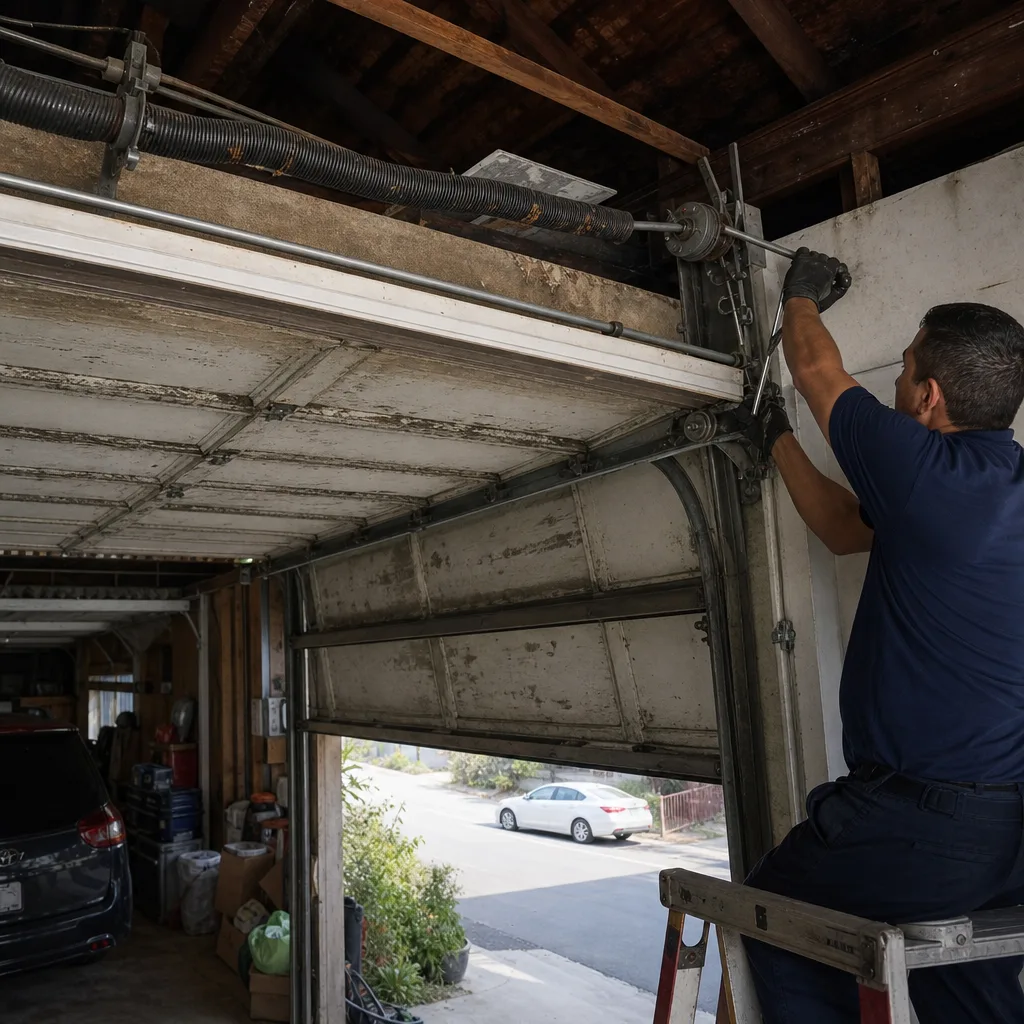 Before
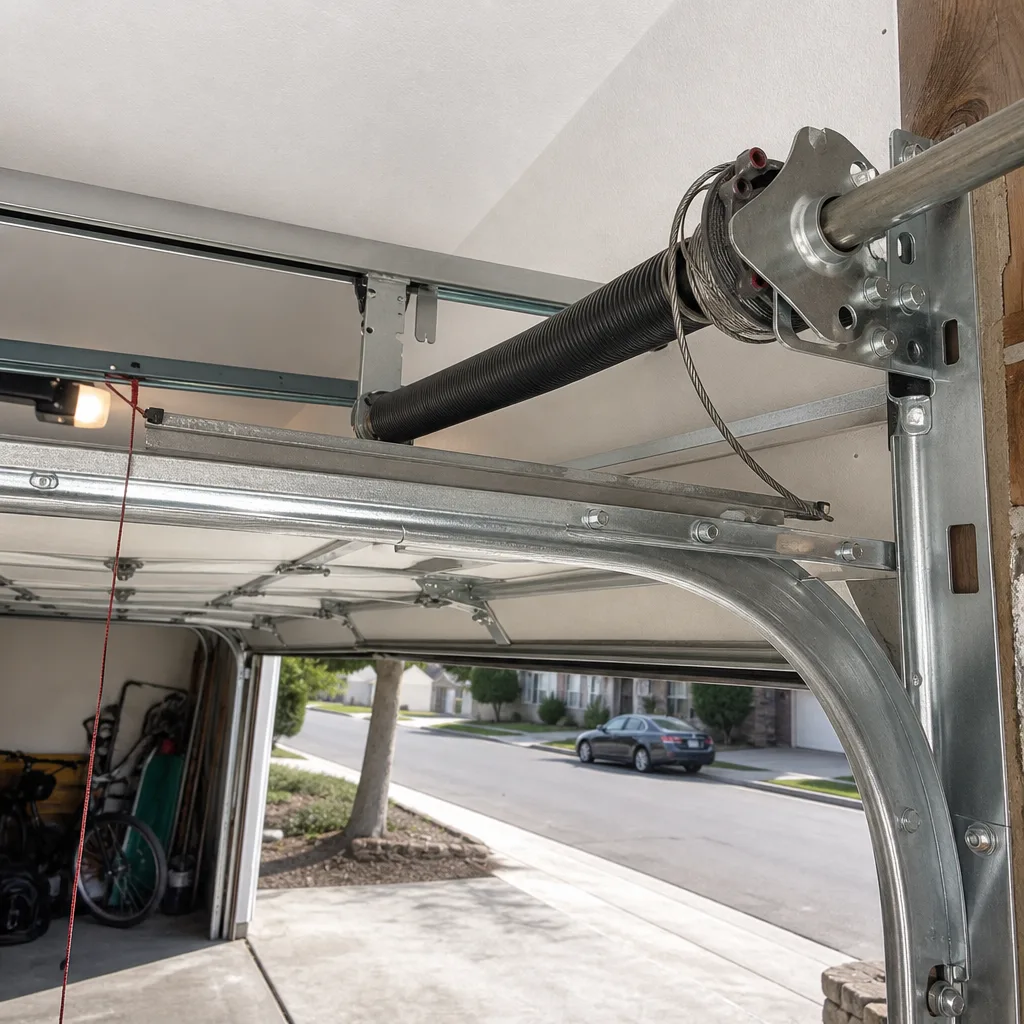 After
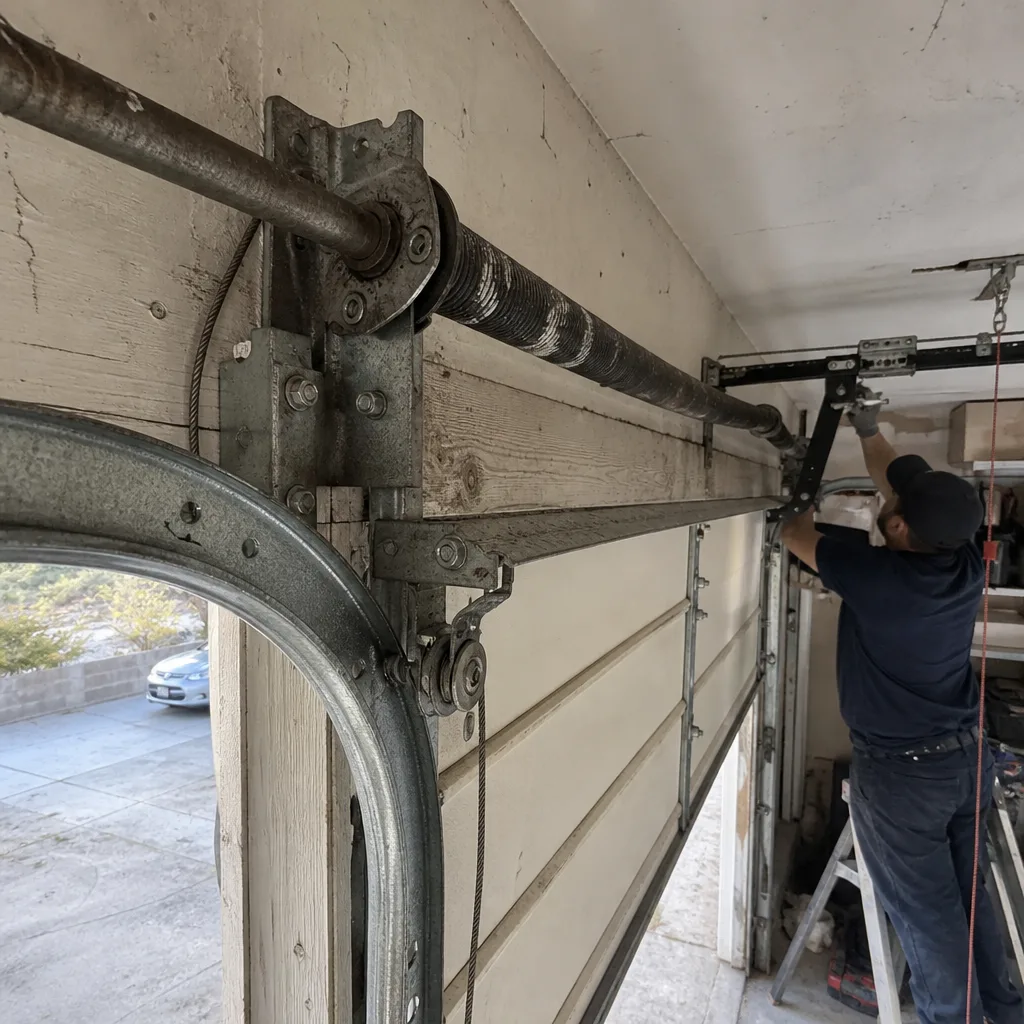 Before
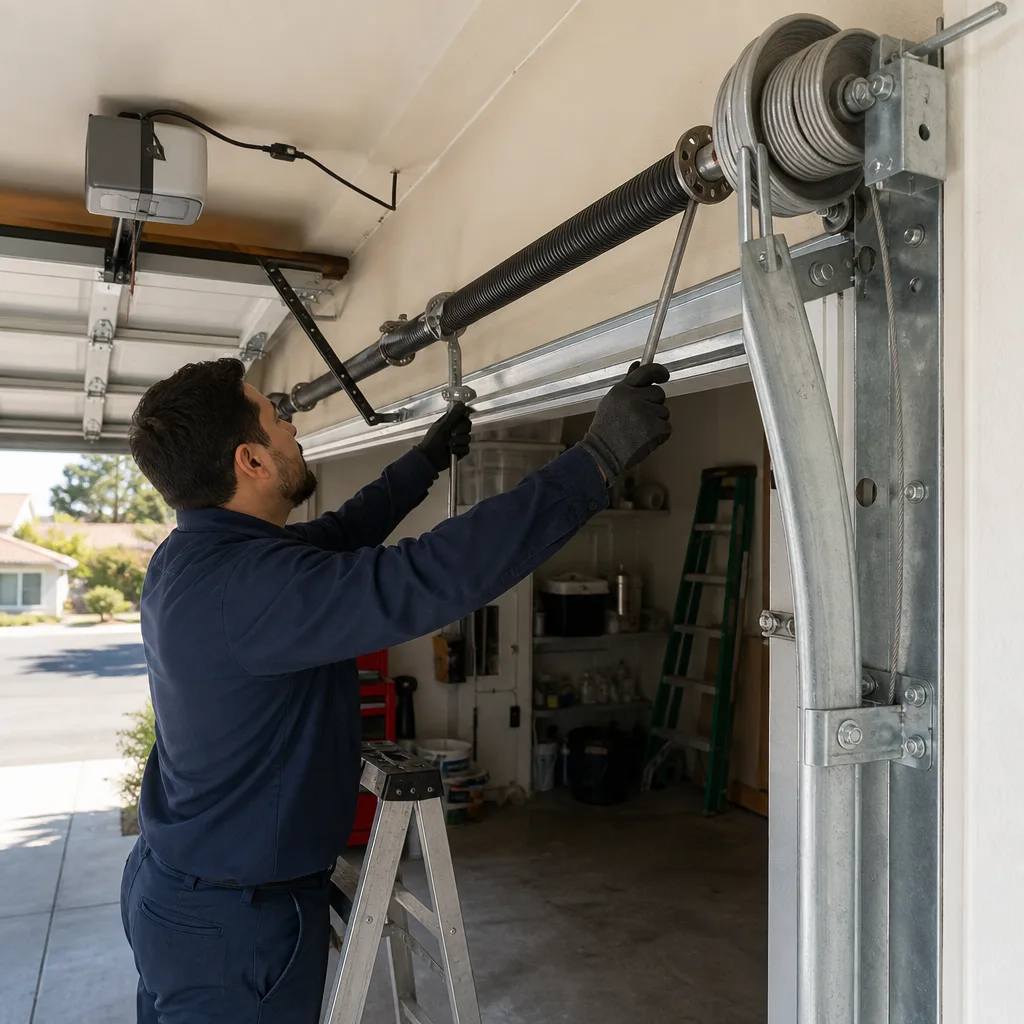 After
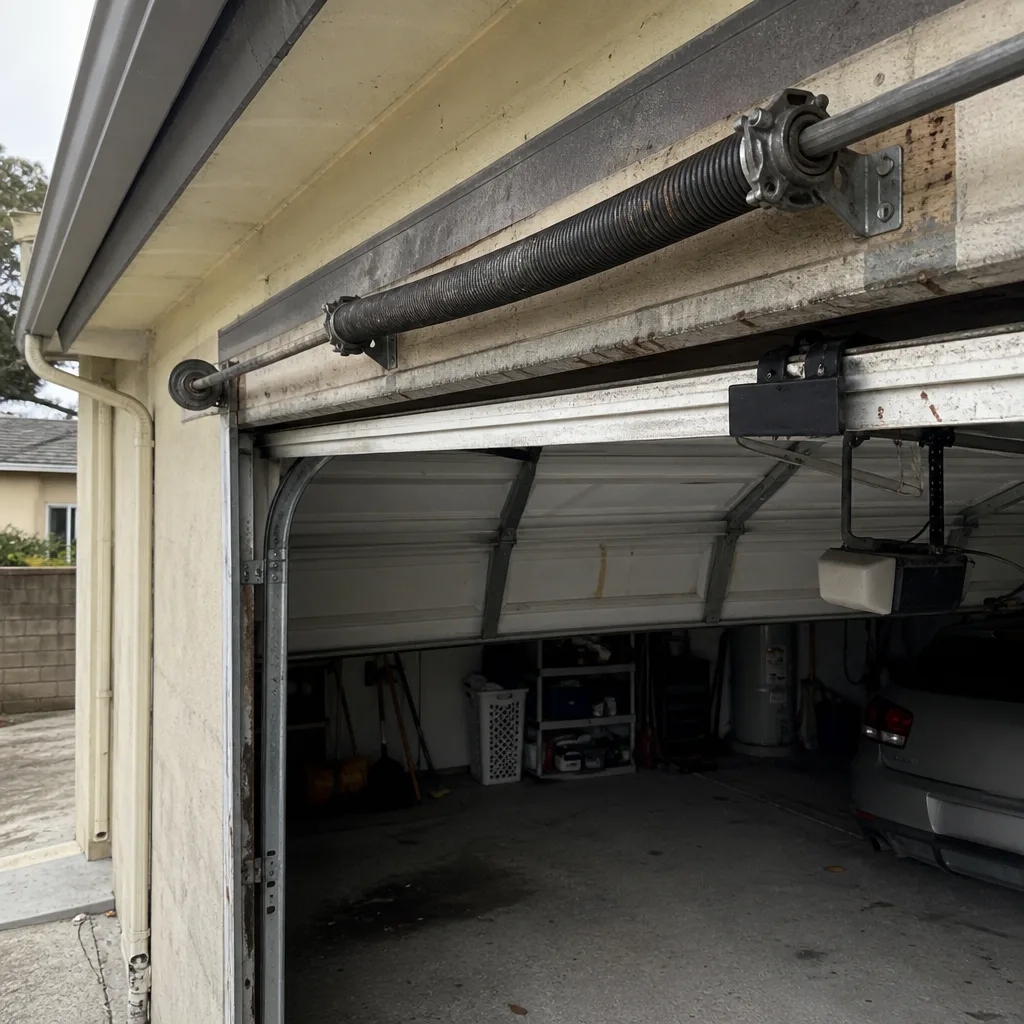 Before
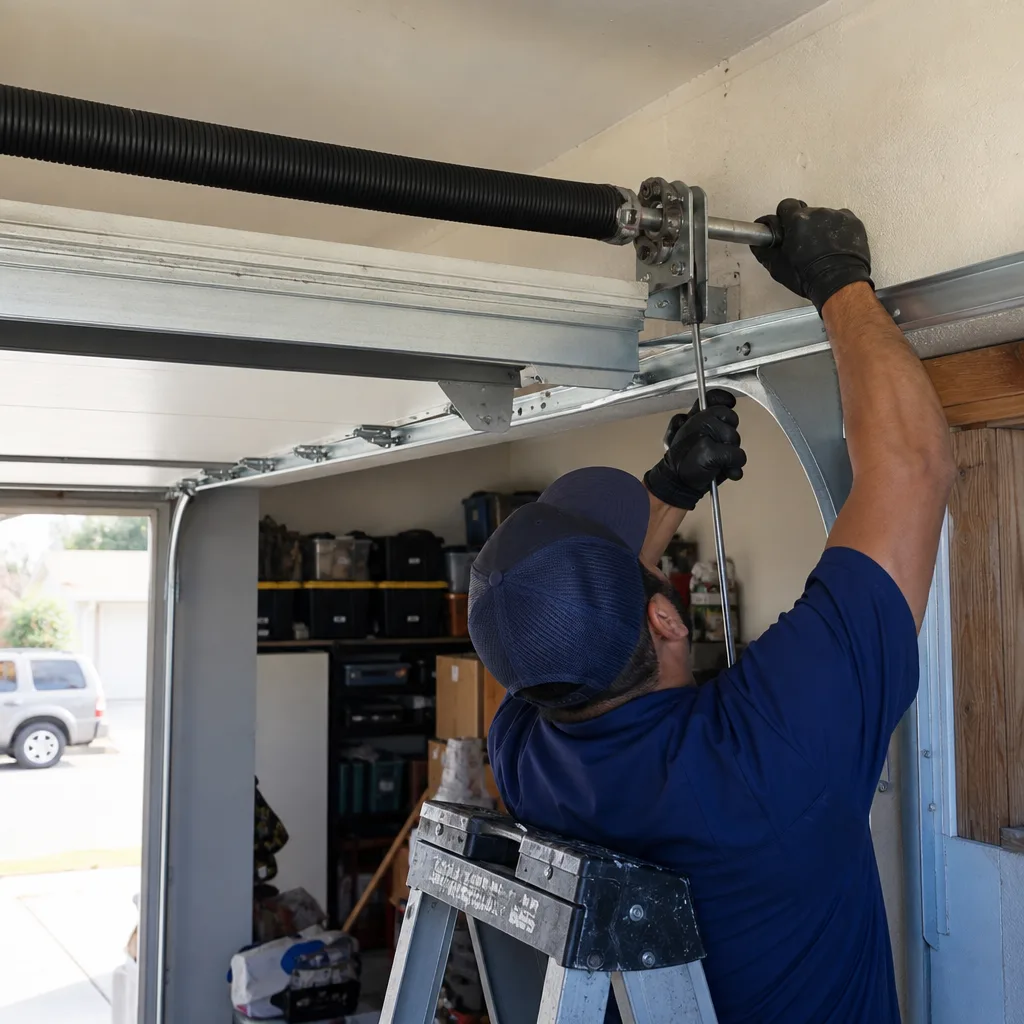 After