
Last updated November 2, 2026
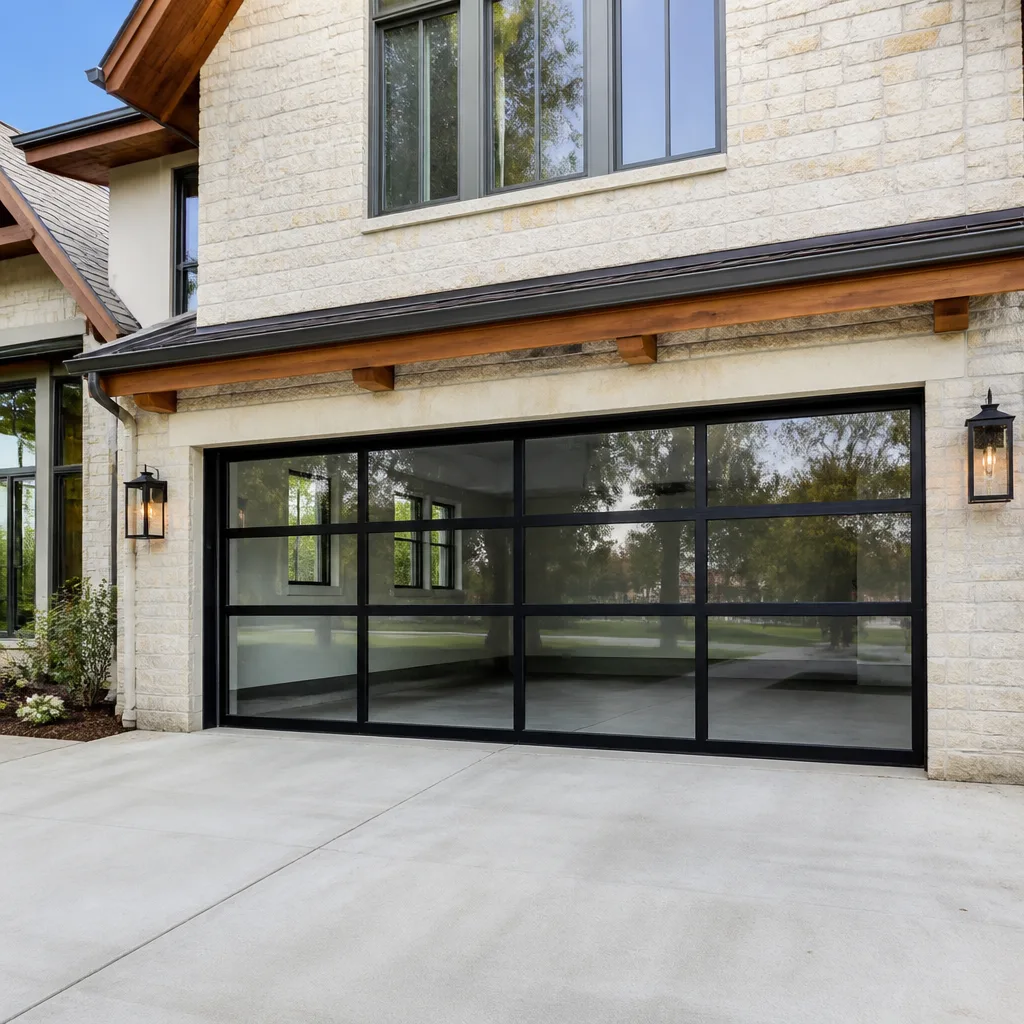 Full-view glass
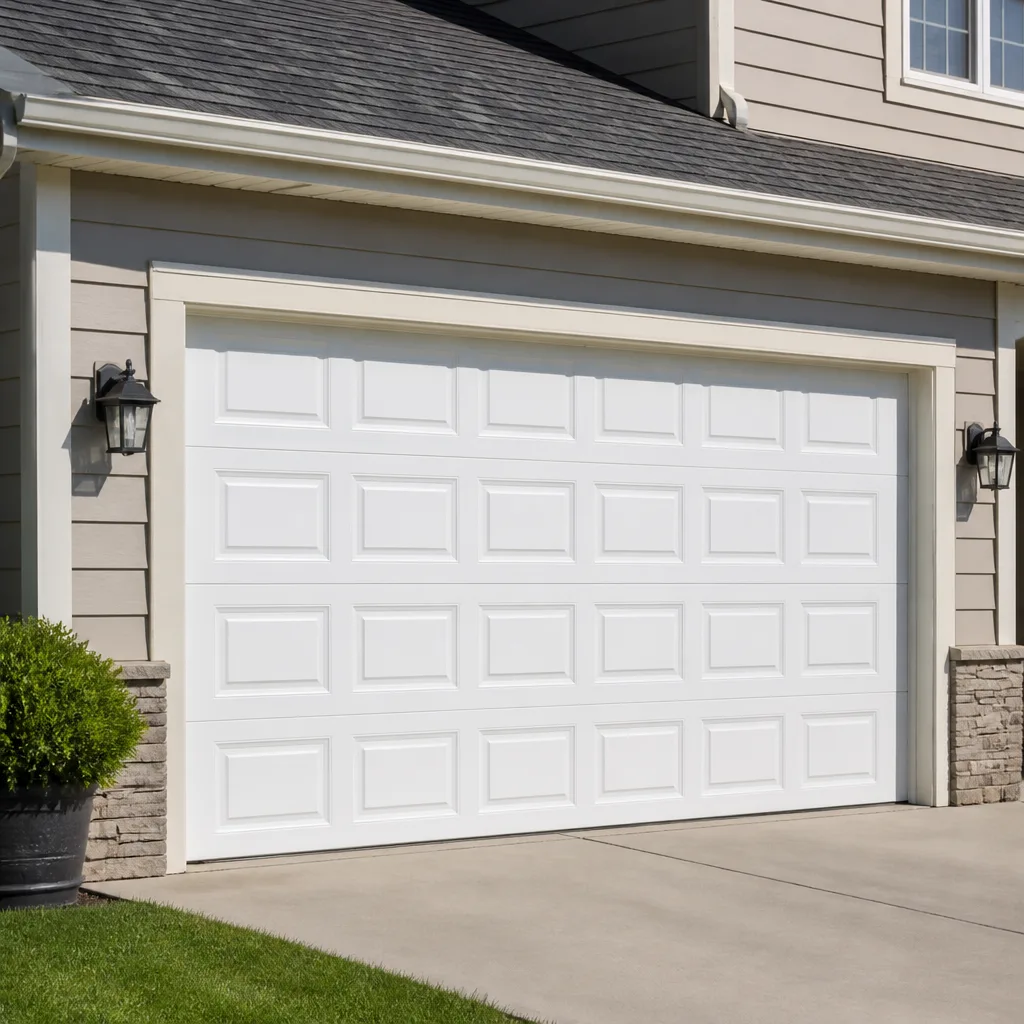 Raised-panel steel
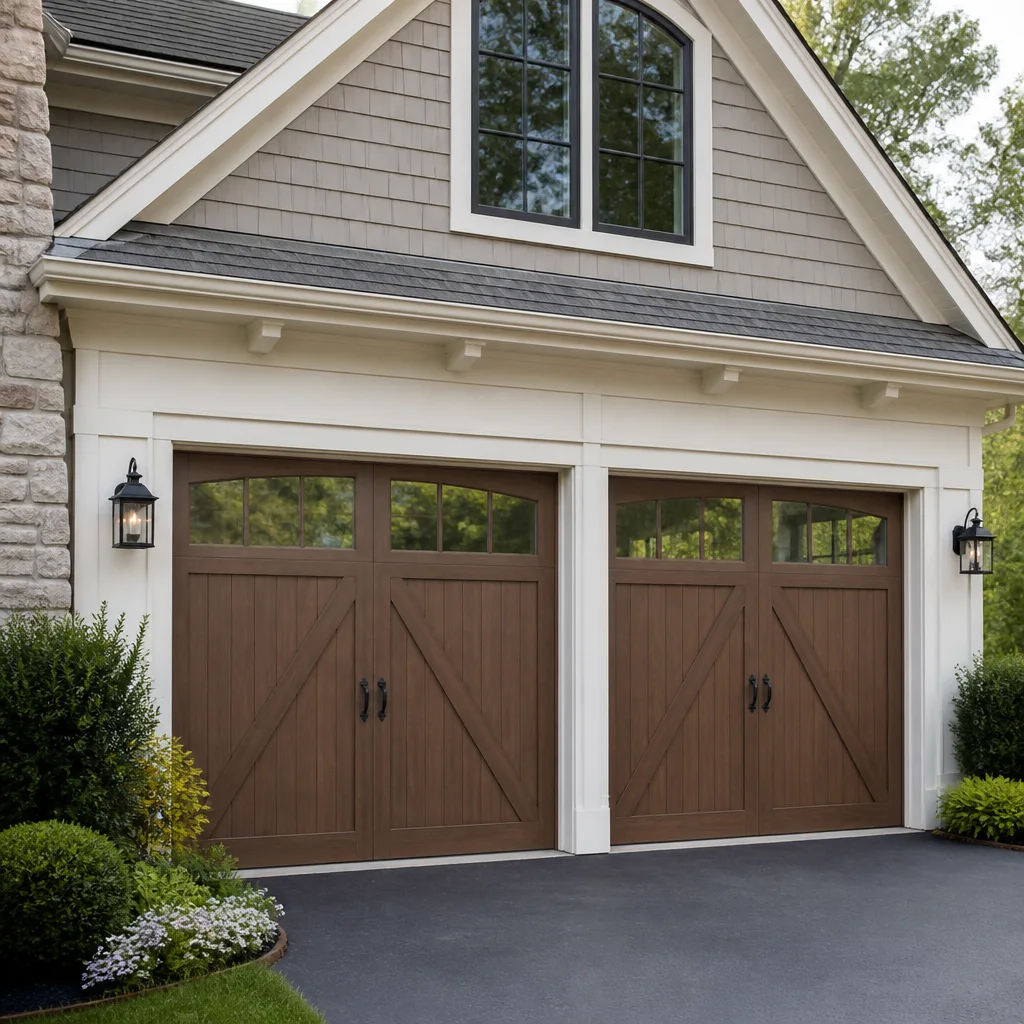 Carriage house
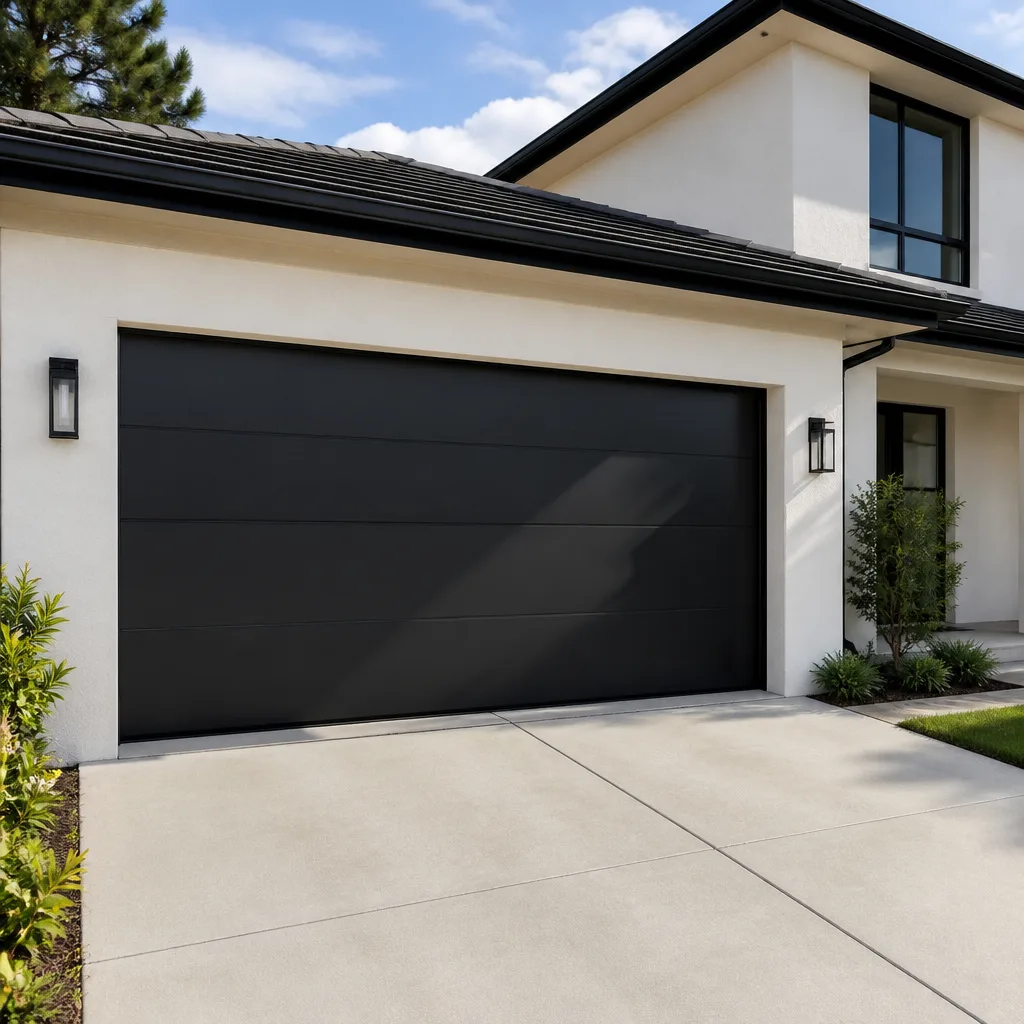 Modern flush
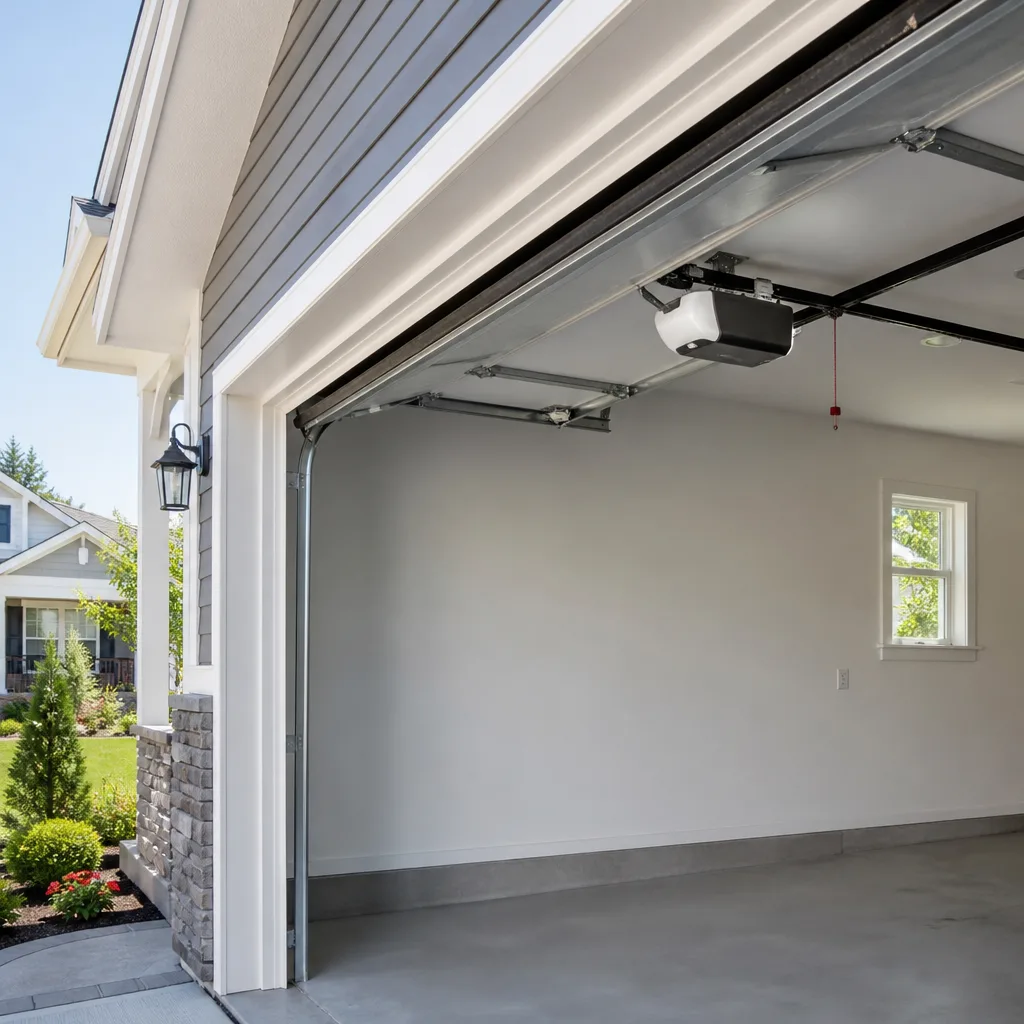 LiftMaster openers
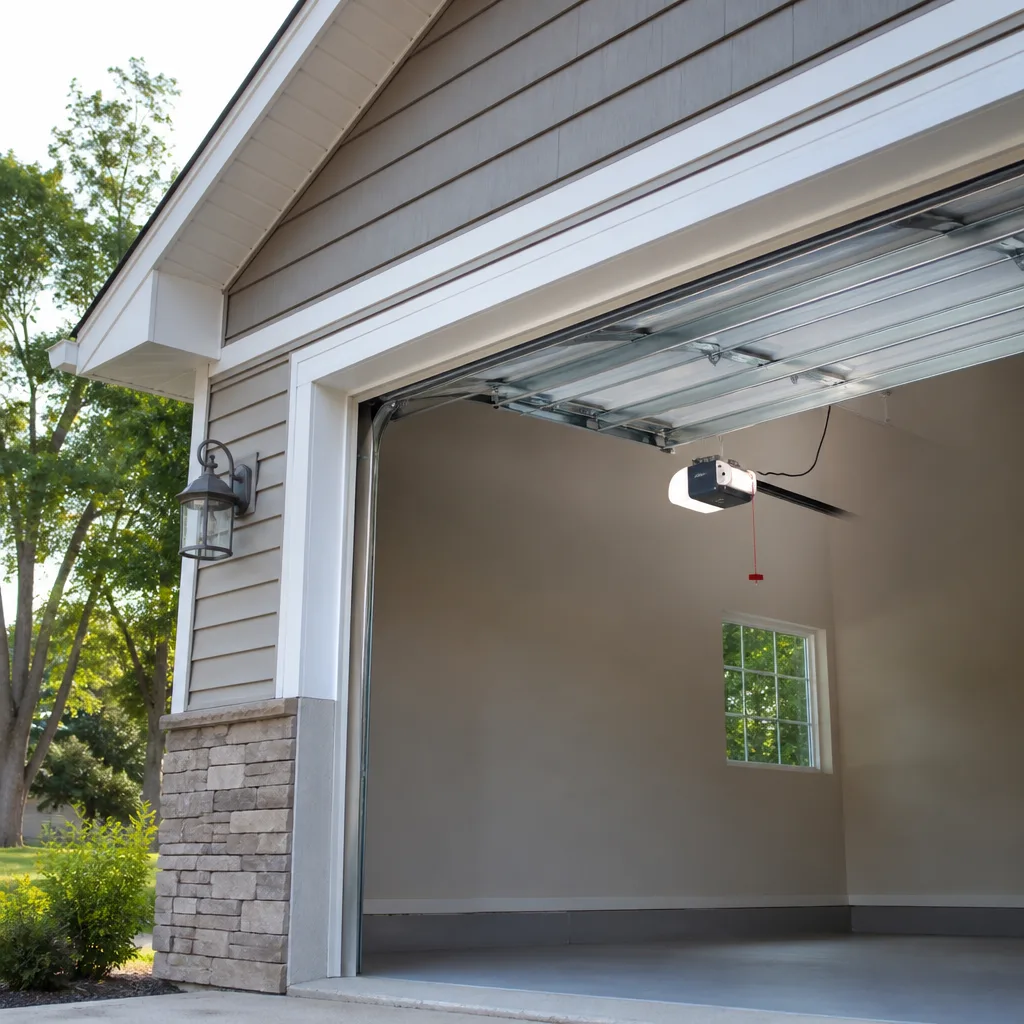 Chamberlain openers
Full 25-point door and opener safety check with every visit - springs, cables, rollers, tracks, and your LiftMaster or Chamberlain opener included
You get a price before we start. It does not change when the truck arrives.
Get your free estimateGarage Door Repair Maintenance Checklist for Lake View Terrace Homeowners
The number-one cause of premature garage door failure in hot, dry climates isn’t the door itself. It’s dried-out hardware that nobody checked because it “looked fine.” Lake View Terrace sits at the northern edge of the San Fernando Valley, where summer temperatures routinely climb past 100 degrees, the Santa Ana winds scour everything with fine dust, and UV exposure punishes anything facing south or west. A garage door in this environment doesn’t fail the way doors fail in Seattle or Chicago. It seizes, cracks, fades, and snaps at the worst possible moment: when you’re already late for work and the door won’t budge. This checklist is built around the specific failure patterns we see in Lake View Terrace, ranked by how quickly each becomes an emergency. You’ll learn what to check monthly, what to address every six months, and what genuinely needs a professional eye once a year.
Quick Answer
A garage door maintenance checklist for Lake View Terrace homeowners should prioritize three things: lubricating all moving hardware every 3 to 4 months (twice as often as the national average because of heat and dust), inspecting springs and cables monthly for visual warning signs from ground level, and replacing south- or west-facing weatherstripping annually due to extreme UV degradation. Most failures in this climate start as lubrication problems, not structural problems. Catching them early costs under $50; ignoring them costs $180 to $400 for a repair call.
Styles & brands we work with
- Raised-panel steel
- Carriage house
- Modern flush
- Full-view glass
- LiftMaster openers
- Chamberlain openers
Table of Contents
- Monthly Visual Checks: The 5-Minute Sweep
- Lubrication Intervals for Lake View Terrace Heat and Dust
- 6-Month Mechanical Checks: What to Test and Tighten
- How to Check Spring Tension Safely Without Touching Springs
- Weatherstripping Inspection for South- and West-Facing Doors
- The Fix Now vs. Watch It Column
- Annual Professional Inspection: What It Should Cover
- Common Mistakes to Avoid
- When to Call a Professional
- Frequently Asked Questions
Monthly Visual Checks: The 5-Minute Sweep
Most garage door problems announce themselves weeks before they become emergencies. You just have to be looking. In Lake View Terrace, we recommend a monthly visual sweep because conditions here accelerate wear faster than in coastal or cooler climates. Dust from the foothills works its way into roller bearings, heat breaks down grease, and the dry air pulls moisture out of rubber and nylon components. A five-minute walkaround once a month catches most issues while they’re still cheap to address.
Here’s what to do, standing inside the garage with the door closed:
- Look at the door from the inside, top to bottom. Check for cracks in panels, rust on hinges, and any gap between the door and the frame. A door that doesn’t sit evenly when closed is telling you something about spring tension or track alignment.
- Trace the cables with your eyes, not your hands. The cables run along both sides of the door and attach near the bottom. Look for frayed strands, rust, or any slack in the cable. A single frayed strand means the cable has already started to fail.
- Check the rollers in their tracks. Look at each roller where it meets the track. Cracked nylon, visible metal-on-metal contact, or a wobbling roller are all signs wear has outpaced maintenance.
- Look at the floor under the door. Oil spots, small metal shavings, or black rubber dust all tell you something is wearing where it shouldn’t be. None of these require tools to spot.
- Listen. Open and close the door once. A garage door in good condition produces a consistent, mechanical sound. Grinding, squealing, popping, or any change from last month is worth investigating.
If you do nothing else on this entire checklist, do this five-minute sweep. In our experience, the majority of garage door repairs in Lake View Terrace involve a component that showed visible warning signs for weeks before it failed. The warning signs just went unnoticed.
Lubrication Intervals for Lake View Terrace Heat and Dust
Manufacturer recommendations for garage door lubrication typically say every 6 to 12 months. Those recommendations assume a moderate climate. Lake View Terrace is not a moderate climate. Between the sustained summer heat and the dust that blows through the Hansen Dam area, lubricant here breaks down roughly twice as fast. We recommend lubricating every 3 to 4 months, and more frequently if your door faces directly into the prevailing wind or sits on an unpaved street.
What needs lubrication is specific: the rollers (if they have metal bearings), the hinges, the springs, and the opener chain or screw drive. What you use matters just as much. Not WD-40. WD-40 is a cleaner and water displacer, not a lubricant for high-load moving parts. Use a white lithium grease for hinges and springs, and a silicone spray for rollers and tracks. The tracks themselves should stay dry; lubricant there just attracts dust and creates a grinding paste.
For a door on a typical Lake View Terrace cycle, this is what a 3-month lubrication pass involves:
- Wipe the old lubricant and dust off each hinge. If you lubricate over dirt, you’re just trapping grit against the metal. A rag and a few minutes does the job.
- Apply white lithium grease to each hinge pivot point. One small squeeze at the hinge pin is enough. Run the door through one full cycle to work it in.
- Spray silicone on the roller stems and the springs. Avoid getting any on the door surface itself, especially on wood or wood-composite panels.
- Check the opener chain or screw. If you have a chain drive, a light coat of lithium grease keeps it running quietly. If it’s a screw drive, a few lines of screw-drive grease are appropriate. Garage door opener repair in Lake View Terrace often traces back to years of skipped lubrication on the drive mechanism.
- Note the date. Write it on the wall next to the opener or in your phone. The hard part isn’t lubricating; it’s remembering when you last did it.
What you’re preventing is the most common failure pattern in this climate: a roller wheel that seizes, then either shears off or chews through the track. That’s a $200 to $350 repair call for something a $12 bottle of lubricant would have prevented.
6-Month Mechanical Checks: What to Test and Tighten
Twice a year, set aside twenty minutes for the mechanical checks that catch problems before they become failures. The best time to do this in Lake View Terrace is October, right before the Santa Ana wind season starts, and April, right before the summer heat settles in. That timing aligns with the two most stressful periods of the year for garage door hardware.
The six-month mechanical check includes three tests:
- The balance test. Disconnect the opener by pulling the red emergency release cord. Manually lift the door to about waist height. A balanced door stays put. A door that drops or rises on its own has a spring tension problem, and that is a professional repair. Do not attempt to adjust spring tension yourself. We cover safe observation below.
- The photo-eye test. With the door open, place a roll of paper towels in the path of the door and close it. The door should reverse immediately. If it doesn’t, clean the lens on both photo eyes and test again. If it still doesn’t reverse, the sensors need professional attention. This is a genuine safety issue, not a convenience issue.
- The bolt-tightening pass. Every single bolt on this door has been vibrating for six months. Go around with a socket wrench and check the bolts on the hinges, the track brackets, and the opener mounting. A single loose track bolt can allow the track to flex enough to derail a roller. You won’t need to crank any of these tight; they should just be snug.
One more check worth doing at the six-month mark: inspect the condition of the opener’s safety reverse force. Run the door down on your hand (carefully) or a scrap 2×4 lying flat. The door should reverse when it meets resistance. Openers made by LiftMaster and Chamberlain have adjustable force settings, but the setting drifts over time and with heat. If the door doesn’t reverse with modest resistance, it’s too aggressive.
How to Check Spring Tension Safely Without Touching Springs
Garage door springs are under enormous tension. Torsion springs on a double door can hold enough stored energy to cause serious injury or death if mishandled. We won’t give you instructions for adjusting springs here, because no written guide can safely walk you through it. What we can give you is a way to evaluate spring condition from the ground, using your eyes and ears only.
Here are the observable signs that tell you what’s happening with your springs, with your hands kept well away:
- The door doesn’t feel light when manually lifted. When the opener is disconnected, a door with working springs should feel like it weighs 10 to 15 pounds, regardless of its actual weight. If the door feels heavy or takes both hands to lift, a spring has lost tension or failed. This is the single most reliable indicator, and it requires zero contact with the spring itself.
- The door opens unevenly. One side rises while the other lags. Look at the gap between the door and the track on each side as it moves. An uneven rise means tension is no longer balanced, and the spring on the lagging side is the one failing.
- A visible gap in the torsion spring. Walk to where the spring sits above the closed door, then look at the coil itself. A healthy spring is one continuous coil from end to end. A gap of more than a sixteenth of an inch in the coil means the spring has broken. This is a replace-it-now situation, not a watch-it.
- You hear a loud bang from the garage, and then the door won’t open. That bang was a spring letting go. It’s loud enough that people often mistake it for something falling against the house. If you hear it, don’t try to force the door open. The door is now dead weight, and forcing it can bend the tracks or pull the opener off the ceiling.
- Rust or powder on the spring coils. Springs fail from metal fatigue, and rust accelerates that fatigue dramatically. In dry Lake View Terrace, springs rarely rust through from moisture. What they do is collect dust, and the dust holds the tiny amount of ambient moisture against the metal. A light coat of white lithium grease on the springs every 3 to 4 months slows this down. A spring already showing significant rust is near failure.
Spring replacement is not a maintenance task. It’s a repair that requires specialized winding bars, specific procedures, and a professional who carries the right spring dimensions for your door. If your observations suggest a spring problem, stop operating the door and call a garage door specialist.
Weatherstripping Inspection for South- and West-Facing Doors
Lake View Terrace gets 284 days of sun per year, and a south- or west-facing garage door gets the worst of it. Afternoon sun in July and August hits these doors with UV levels that break down rubber and vinyl weatherstripping at roughly double the rate of a north-facing door. We see weatherstripping on south-facing doors fail in 18 to 24 months, where the same material on a north-facing door lasts four or five years.
This matters for more than appearance. Broken weatherstripping along the bottom of the door and around the frame lets in dust, debris, and critters. In Lake View Terrace, it also lets in heat. A south-facing garage can be 15 to 20 degrees hotter than the outside air in summer. If your water heater or washer and dryer live in the garage, you’re paying to keep that heat at bay.
Here’s what to look for during every monthly sweep, with extra attention paid between June and September:
- Bottom seal: check for cracks, gaps, and daylight. Close the door and look under it from inside. If you see daylight between the seal and the floor, the seal has worn or compressed. Run your hand along the bottom edge of the door; any areas that feel brittle or cracked need replacement. A bottom seal replacement is under $40 in materials and takes about an hour.
- Side and top weatherstripping: look for shrinking and cracking. Vinyl trim around the frame shrinks in sustained heat. If the weatherstripping has pulled away from the frame at the corners, or if you can feel a draft standing inside the closed door, it’s time to replace it.
- Look for light gaps around the entire perimeter. Stand inside the garage with the door closed and the lights off. Anywhere light gets in, heat, dust, and insects get in too. More than a few pinholes of light means the seal is done.
For doors that face directly south or west, plan on replacing the bottom seal every two years, and the perimeter weatherstripping every three. It’s a small cost weighed against the alternative: a garage that’s unusable as a wine cooler in August and a door frame that’s been sanded by wind-driven dust all winter.
The Fix Now vs. Watch It Column
A maintenance checklist without triage just creates anxiety. Some things are genuine emergencies. Some things are normal wear that can wait. Here’s how to tell the difference, Lake View Terrace style, based on what we encounter across service calls in the area.
| Symptom | What It Usually Means | Fix Now or Watch It? |
|---|---|---|
| Door makes a loud bang, then won’t open | Broken torsion spring | Fix now. Stop using the door. Call a professional. |
| Door is heavy to lift manually | Lost spring tension | Fix now. This is the early stage of spring failure. |
| Door reverses for no reason when closing | Dirty or misaligned photo eyes | Fix now. Clean the lenses. If it persists, call. |
| Visible gap in a torsion spring coil | Broken spring | Fix now. No operation until repaired. |
| Grinding or scraping sound when opening | Dry rollers or worn bearings | Fix now. Lubricate first. Persistent noise means worn parts. |
| Squealing or squeaking during operation | Dry hinges or rollers | Watch it for one lubrication cycle, then fix if it returns. |
| Hairline cracks in a single panel | UV and heat fatigue | Watch it. Document with a photo. If cracks widen or spread, plan for panel replacement. |
| Small rust spots on hinges | Dust holding moisture against metal | Watch it. Clean and lubricate. Replace hinges only if rust is pitting the metal. |
| Weatherstripping cracking at corners | UV breakdown | Watch it through the season, then replace. Not an emergency unless gaps are large. |
| Door is slightly out of level when closed | Uneven spring tension or track misalignment | Fix now. Small misalignments get worse and stress other components. |
The principle here is simple: anything involving springs, cables, or safety systems is a fix-now item. Anything involving gradual wear on replaceable parts can be watched, but only up to the point where the part is no longer doing its job. A cracked panel that’s just cosmetic can wait. A bottom seal that lets the Santa Ana winds blow through can’t.
Annual Professional Inspection: What It Should Cover
Once a year, a garage door specialist should give your entire system a professional assessment. Not a sales call, but an inspection. The goal is to identify what will fail in the next 12 to 18 months and address it before it becomes an emergency. In Lake View Terrace, the best time for this is early fall, before the wind season, or early spring, before the heat arrives.
What an annual professional inspection should include:
- Spring tension measurement and rebalancing. A specialist uses a spring gauge or weighs the door to confirm the springs are correctly matched to the door’s weight. Springs lose tension gradually as they approach failure. Catching one that’s near its cycle limit costs a fraction of an emergency replacement.
- Cable inspection and replacement of worn sets. Cables should be replaced in pairs, never singly, and always by someone who understands the load dynamics involved. A cable that’s been in service for more than five years in this climate is typically near replacement age.
- Roller and hinge wear evaluation. Nylon rollers wear out around the 7 to 10 year mark. Metal rollers wear faster in dusty conditions. Replacing rollers before they shatter keeps the door from jamming against the tracks.
- Track alignment verification. A level and a good eye determine whether both tracks are parallel and properly secured. Misaligned tracks cause binding, and binding causes every other component to work harder.
- Opener diagnostics, including force settings and gear condition. Garage door opener repair in Lake View Terrace often rides on simple but invisible issues: worn gears on a LiftMaster, a chain that’s stretched beyond spec on a Craftsman, a logic board that’s getting flaky in the heat. A specialist who knows these openers specifically can spot a marginal component that a generalist would miss.
- Weatherstripping assessment. If it needs replacing, the specialist can do it during the inspection visit.
- Door panel and frame inspection. Checking for UV damage, structural cracks, or rotting wood frames that could worsen over the next year.
An annual inspection typically runs 45 to 60 minutes. If the specialist comes back with a long list of urgent replacements on a door that’s been functioning fine, get a second opinion. If they come back with a short list of items at different urgency levels, including things to watch for next year, you’re talking to someone interested in your door’s health, not their invoice.
Common Mistakes to Avoid
- Using WD-40 on everything. WD-40 cleans and displaces water but doesn’t lubricate high-stress metal-on-metal contact for more than a few days. In Lake View Terrace heat, it evaporates in a week. Use white lithium grease for hinges and springs, silicone for rollers. This single mistake is behind a surprising share of the garage door repairs in Lake View Terrace we’re called out for.
- Lubricating the tracks. Tracks should be clean and dry. Lubricant in the tracks just collects dust and grinds against the rollers. If your rollers are making noise on the track, the rollers need attention, not the track.
- Ignoring a slightly heavier door. When a door starts feeling heavier to lift manually, a spring is already losing tension. Waiting until it fails means an emergency call instead of a scheduled one. It also risks damage to the opener, which now has to work harder against a heavier door.
- Painting over weatherstripping or metal parts. Paint on weatherstripping makes it stiff and brittle far faster than UV alone. Paint on rollers, hinges, or springs interferes with movement. If you’re painting the garage, mask off the hardware.
- Testing the balance by eyeballing it. The balance test requires disconnecting the opener and lifting manually. Watching the door open and close under opener power doesn’t tell you anything about spring tension. An opener can camouflage a weak spring for months.
- Adjusting spring tension by following a video. Torsion springs hold lethal tension. The fact that someone in a video “made it look easy” doesn’t make it safe. Winding bars slip, cone set screws strip, and people get hurt. Every single year, homeowners end up in emergency rooms from spring adjustments gone wrong. Call a professional.
- Skipping the photo-eye test because the door has worked fine for years. The door reversing when something crosses its path is a safety system, not a convenience. Test it twice a year, exactly like you test smoke detectors. It takes 30 seconds.
When to Call a Professional
Some maintenance tasks are for you. Some are for a specialist. The line is exactly where serious tension or safety systems come into play. Call a professional if you observe any of these: a broken spring or a visible gap in a spring coil, a frayed cable, a door that’s heavy to lift manually, a door that won’t reverse when it meets resistance, or any situation where the door has come off its tracks. These are not tweak-with-a-wrench situations. They require specific training, the right parts, and in the case of springs and cables, the right safety equipment. Whitfield Garage Door Repair offers free estimates in Lake View Terrace – call (866) 282-6912 and we’ll tell you what we find and what it costs before any work starts. Your door’s largest moving part deserves a specialist, and in Lake View Terrace’s heat and dust, it needs one more often than the national average would suggest.
Frequently Asked Questions
Every 3 to 4 months is the right interval for Lake View Terrace because summer heat and windblown dust break down lubricants roughly twice as fast as in moderate climates. Use white lithium grease on hinges and springs, silicone spray on rollers, and keep the tracks clean and dry. Write the date on the wall next to the opener so you remember when the next pass is due. If you’re not sure what to use or where to apply it, call (866) 282-6912 for guidance.
A DIY lubrication pass costs $12 to $20 in materials if you already have the lubricants. A professional annual inspection typically runs between $75 and $150 in the Lake View Terrace area, and many companies will apply the inspection fee toward any repairs you approve during the visit. A spring replacement that preventive maintenance fails to catch runs $180 to $400 depending on the door size and spring type. The annual inspection is the cheapest line item on the whole list.
Yes. Disconnect the opener with the red release cord, then lift the door manually. A properly sprung door feels light, around 10 to 15 pounds regardless of its actual weight. Look at the spring coil above the closed door for any gap in the coil; a visible gap means the spring has broken. If the door feels heavy or the spring shows a gap, stop using the door and call (866) 282-6912 for a professional assessment.
A loud bang from the garage, followed by the door refusing to open, is almost always a torsion spring breaking. The noise is the spring releasing its stored energy. Do not try to force the door open, because the door is now dead weight and forcing it can bend tracks and damage the opener. Call a professional immediately. This is one of the most common repair calls we handle in Lake View Terrace, and it’s nearly always preventable with regular inspection.
It does, in specific ways. Sustained heat breaks down grease and lubricants, causing metal-on-metal wear on hinges and rollers. UV exposure degrades weatherstripping and causes hairline cracks in panels, especially on south- and west-facing doors. Heat also accelerates the internal wear of opener gear sets and can cause circuit boards to drift out of tolerance. This is why Lake View Terrace maintenance intervals run shorter than the national standard.
Our technicians service openers from LiftMaster, Chamberlain, Genie, and Craftsman, along with door panels from Clopay, Amarr, Wayne Dalton, and Raynor. We know LiftMaster openers the way a dealer does, and we diagnose by understanding the equipment, not by guessing at it. Garage door installation in Lake View Terrace is available for every brand we service, so if a door or opener is beyond economical repair, we can provide a replacement option without sending you to a different company.
The Bottom Line
A garage door maintenance checklist only works if it’s calibrated to where the door lives. In Lake View Terrace, that means lubricating twice as often as the national average, paying special attention to south- and west-facing weatherstripping, checking spring condition from the ground every month, and bringing in a specialist once a year to catch what observation alone can’t. The monthly checks take five minutes. The six-month checks take twenty. The annual inspection costs less than the emergency repair call it prevents. None of this is complicated. It just requires actually doing it, on a schedule, before the heat or the wind does the work for you.
If you’ve read this far and you know your door is overdue for attention, don’t guess at it. Call Whitfield Garage Door Repair at (866) 282-6912 for a free estimate. We’ll inspect what you have, tell you what it needs, and quote every price before any work begins. Your largest moving part deserves a specialist. Whitfield Garage Door Repair home is that specialist.
Written by the team at Whitfield Garage Door Repair, serving Lake View Terrace since 2012.
See the difference
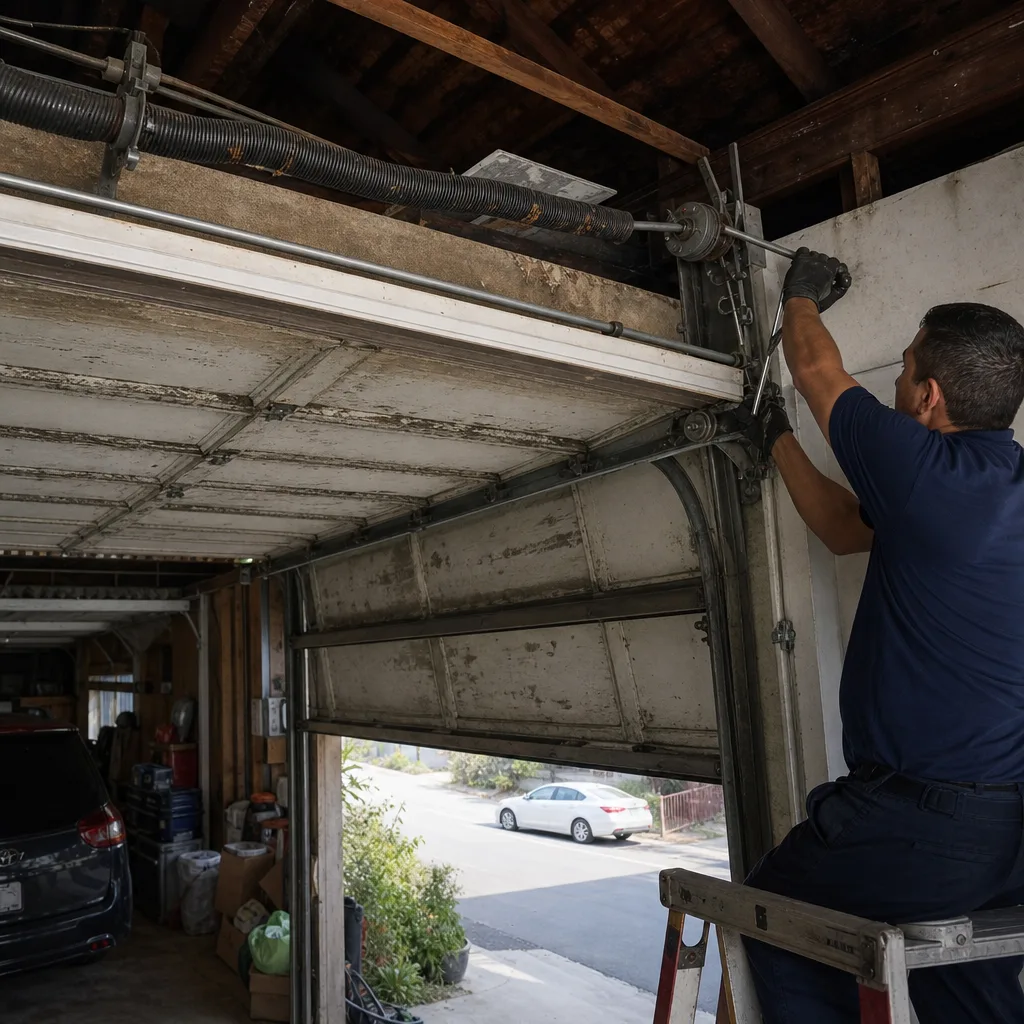 Before
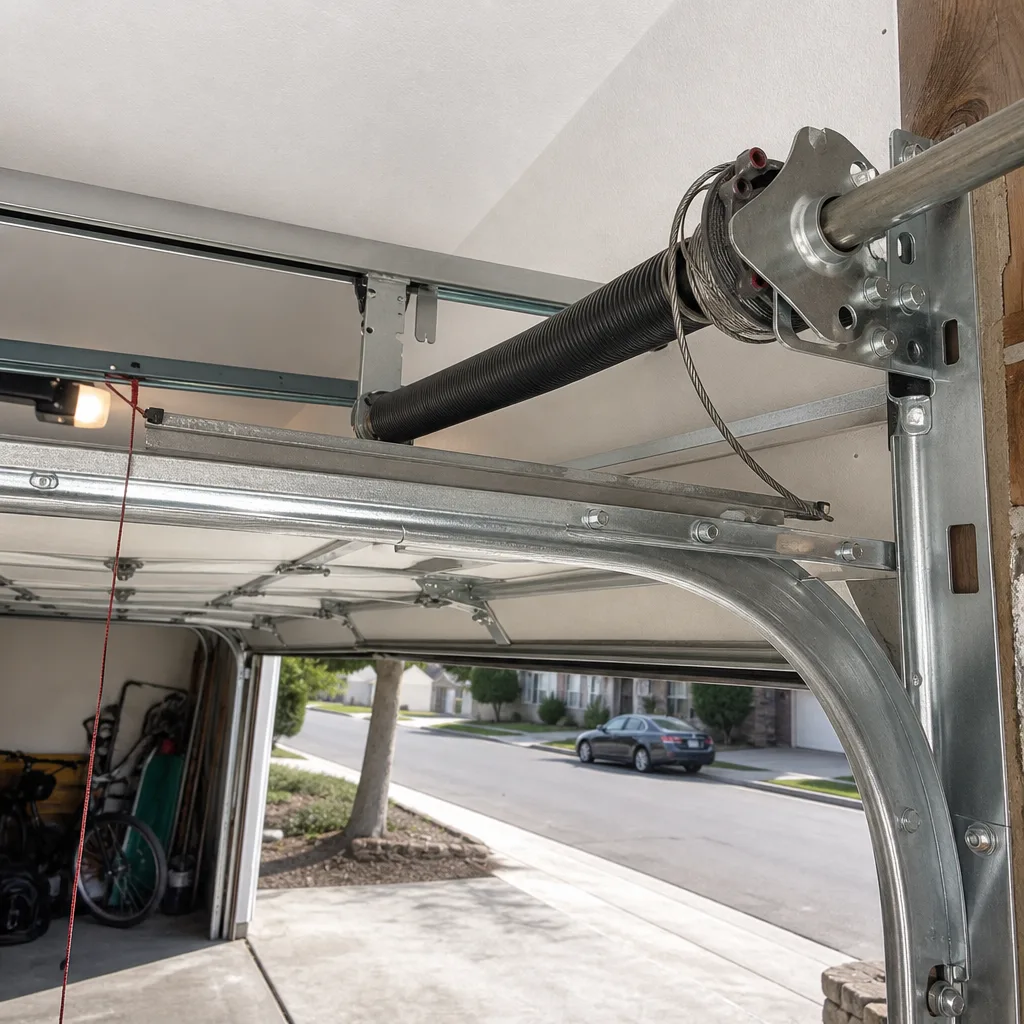 After
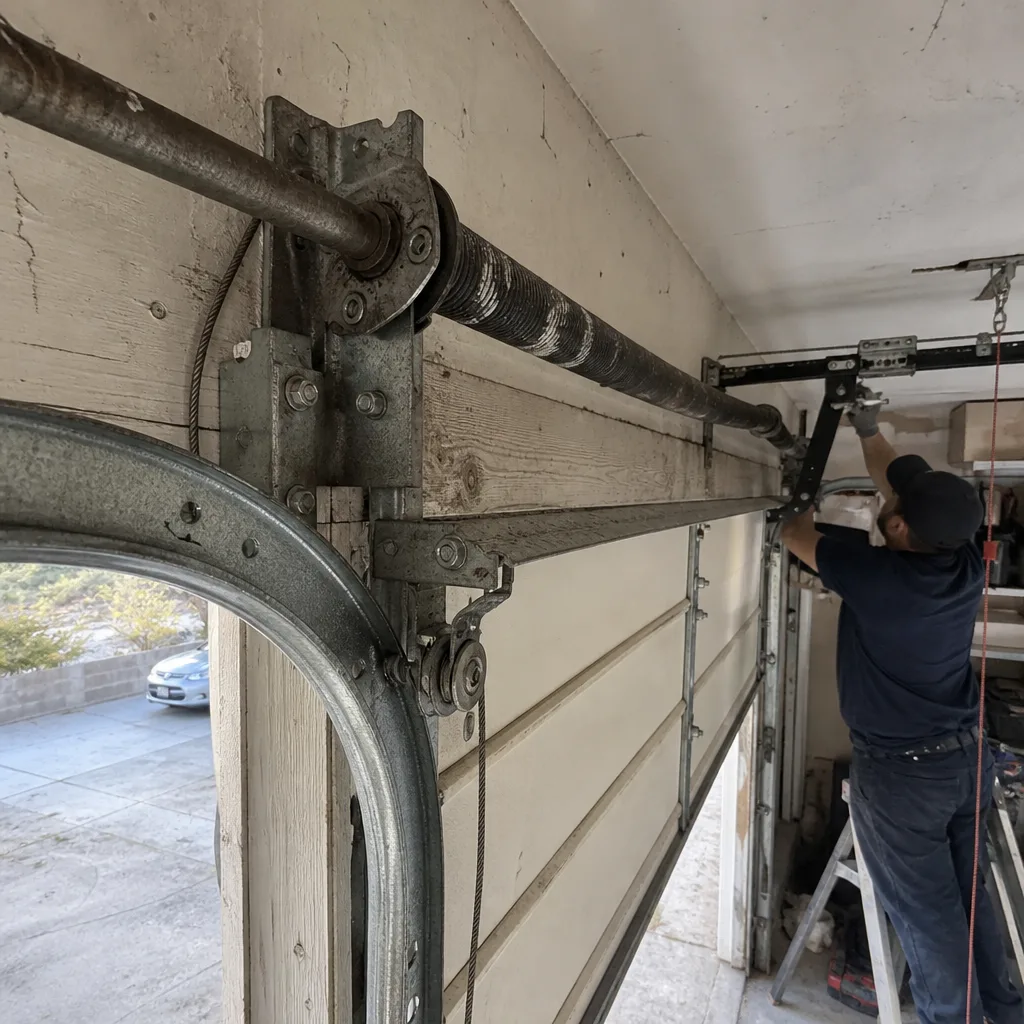 Before
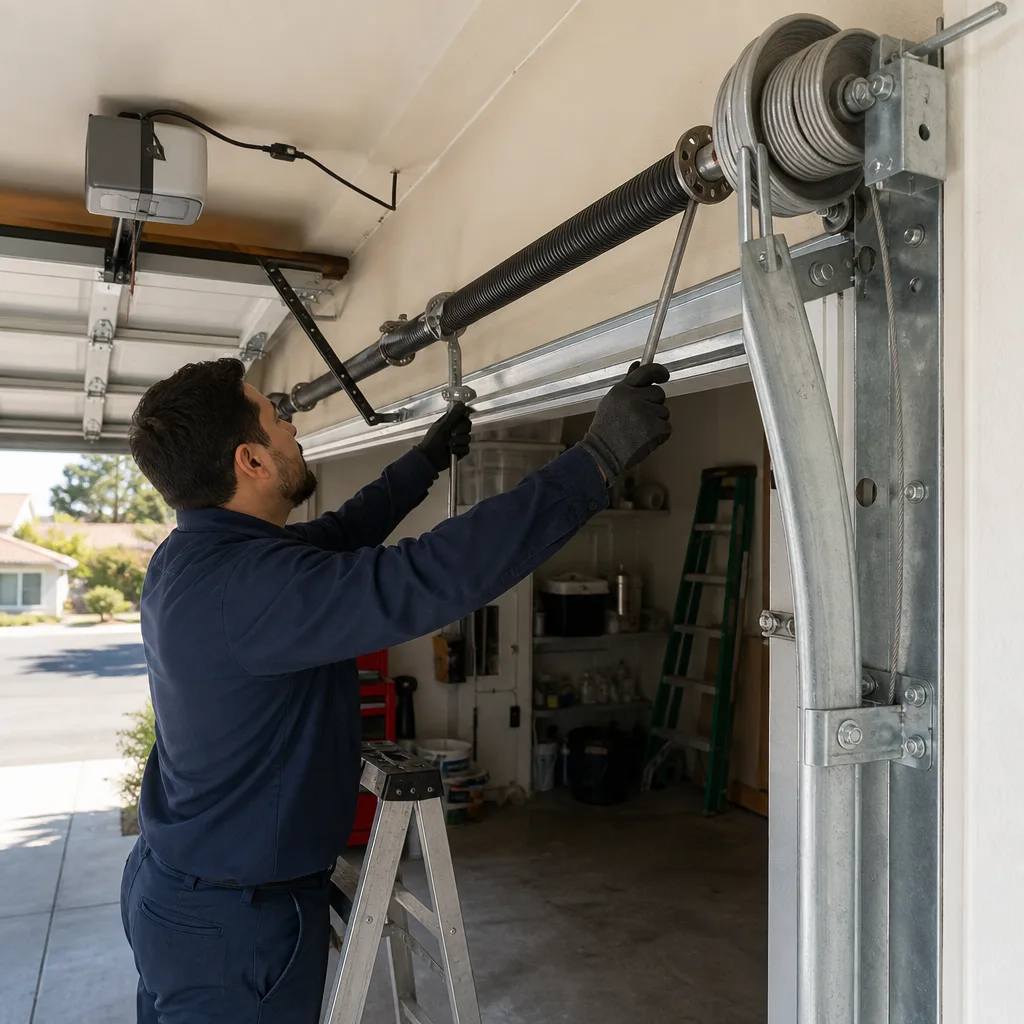 After
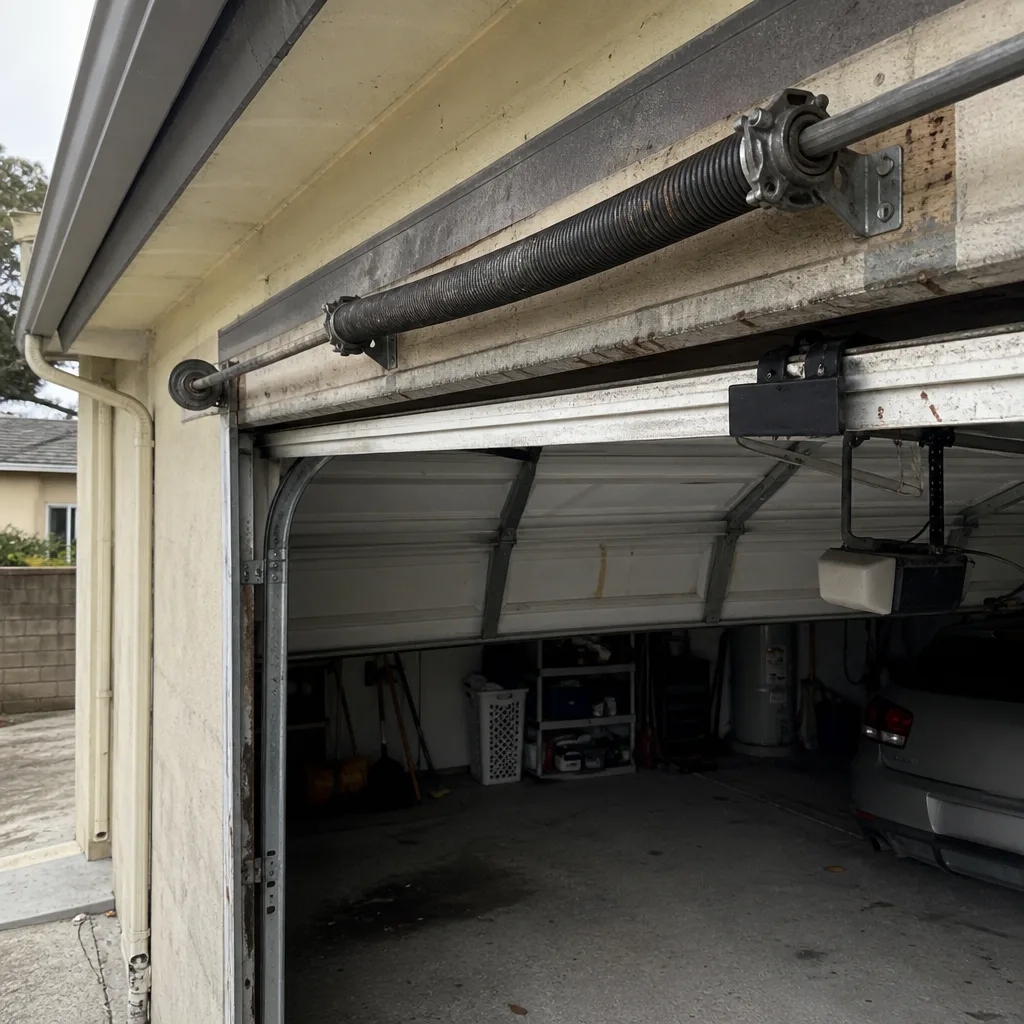 Before
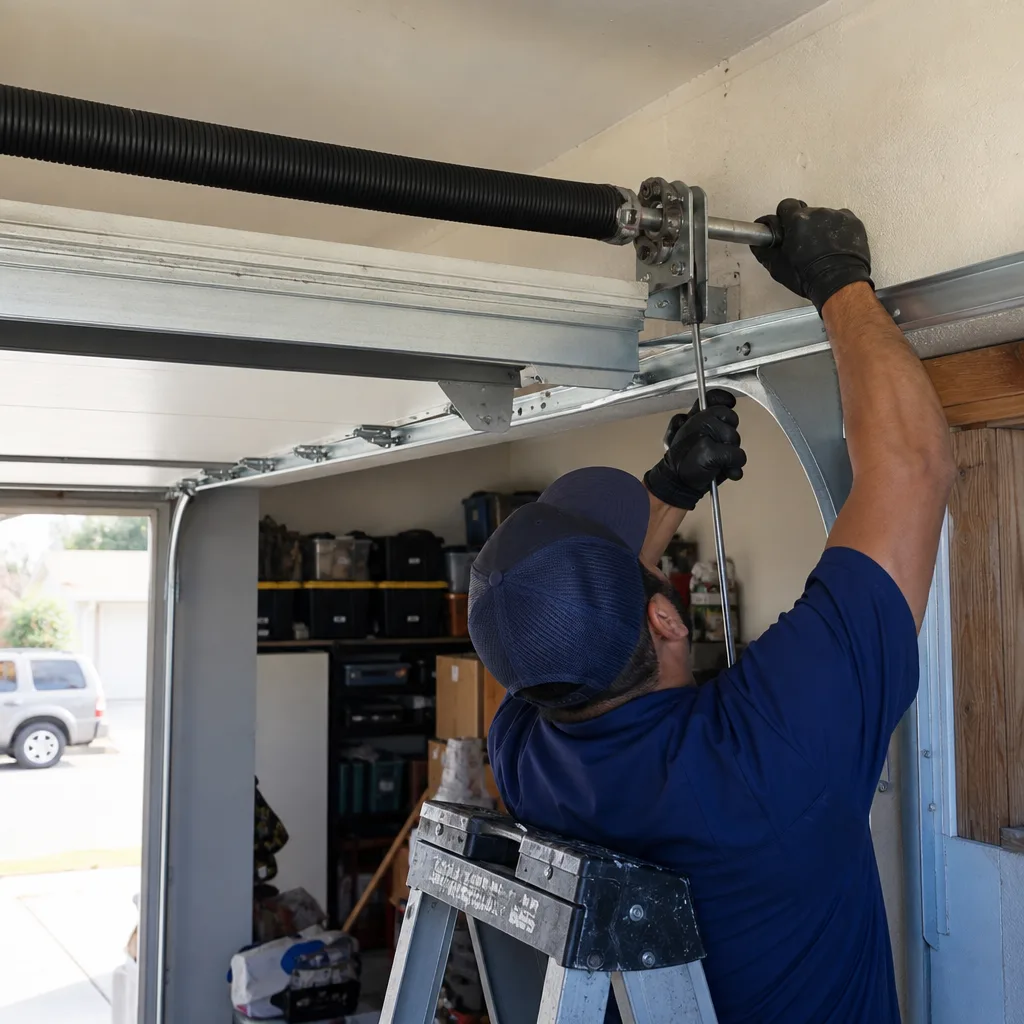 After