
Last updated November 2, 2026
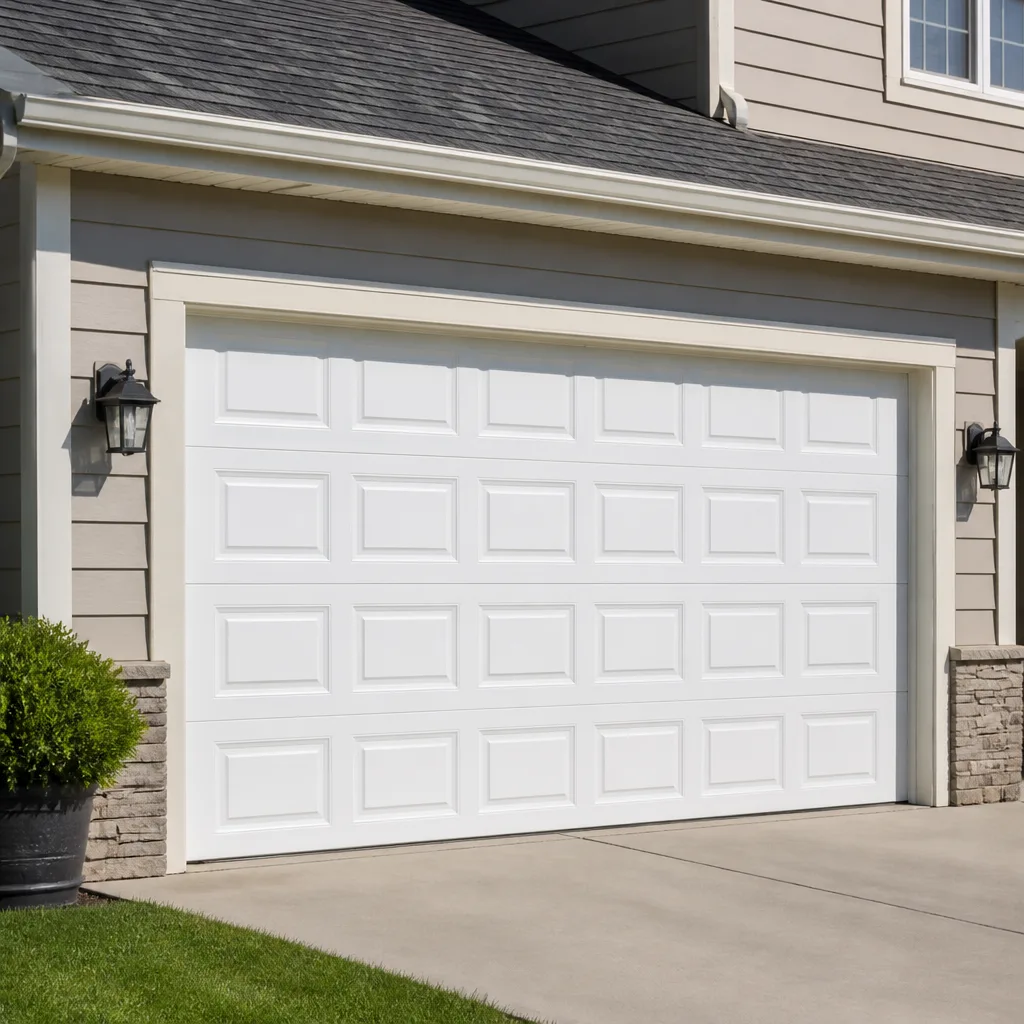 Raised-panel steel
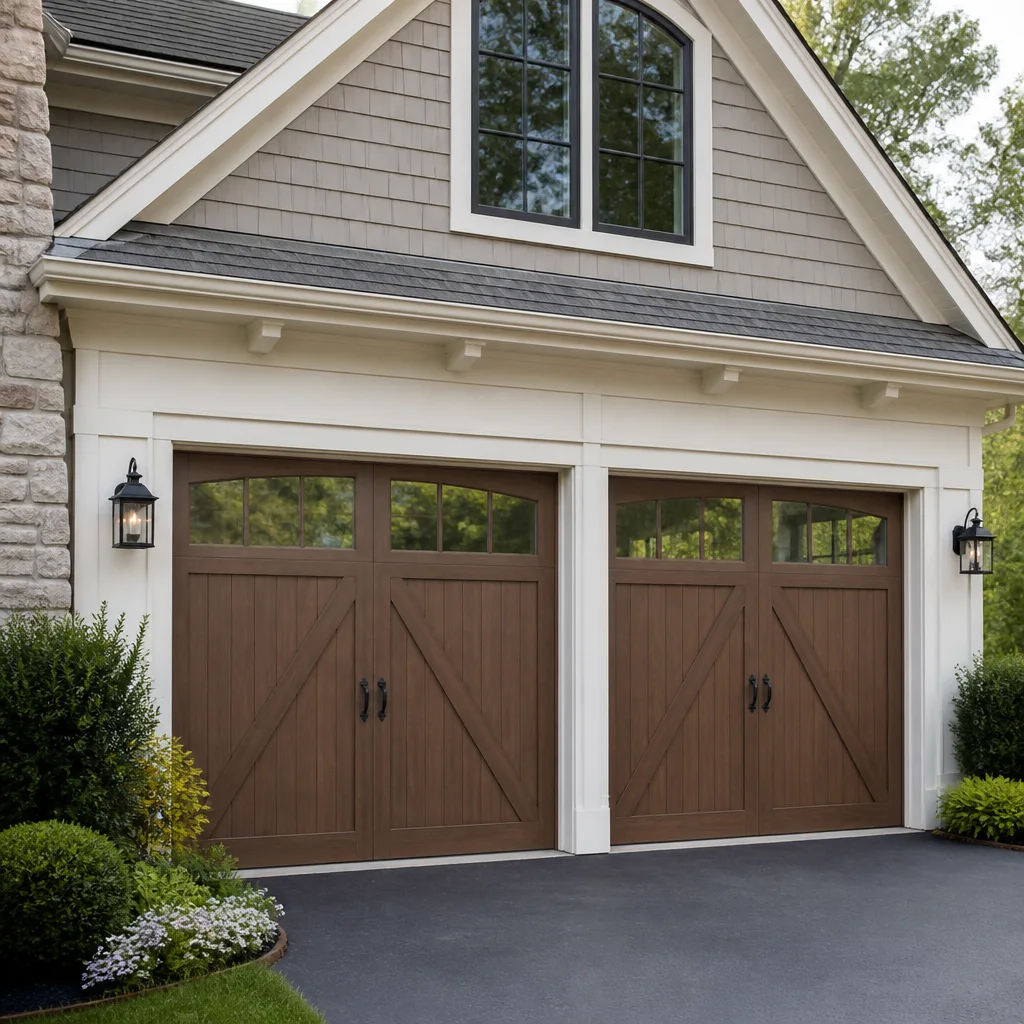 Carriage house
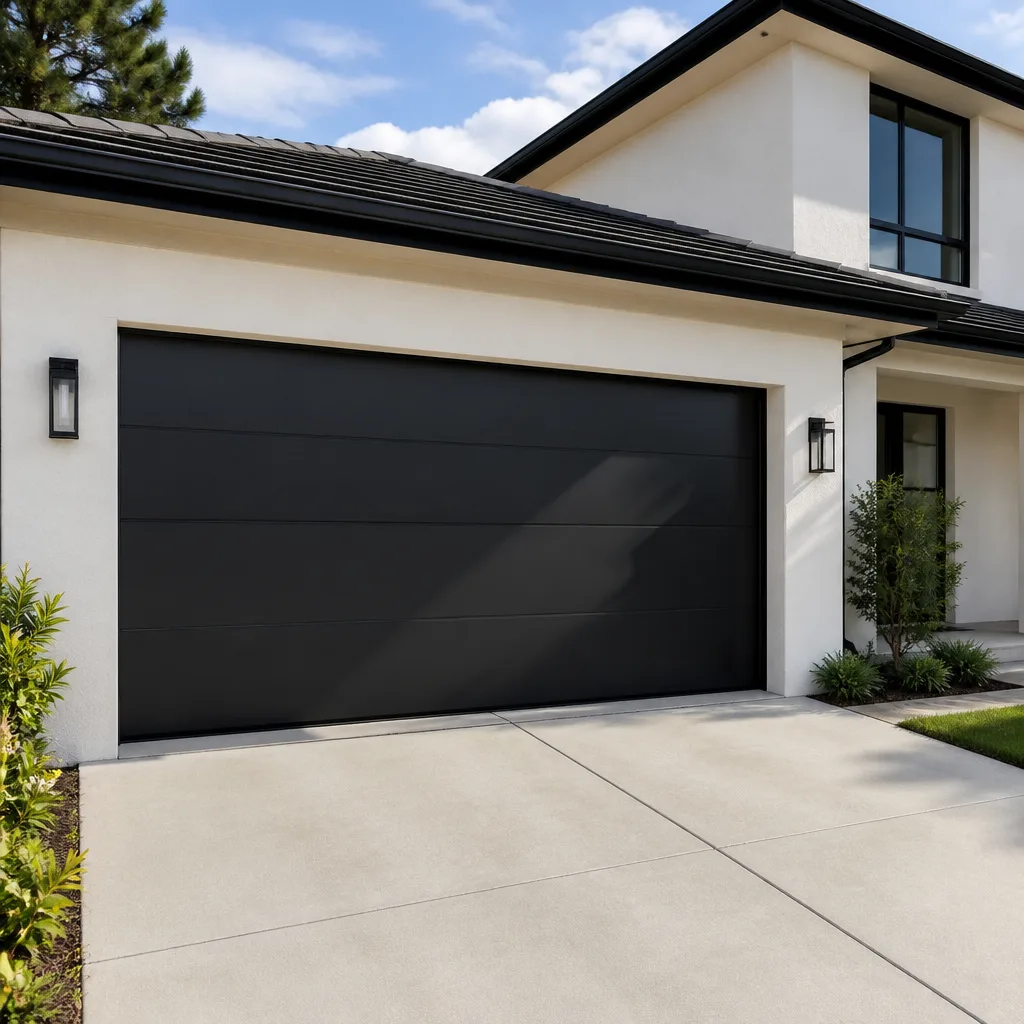 Modern flush
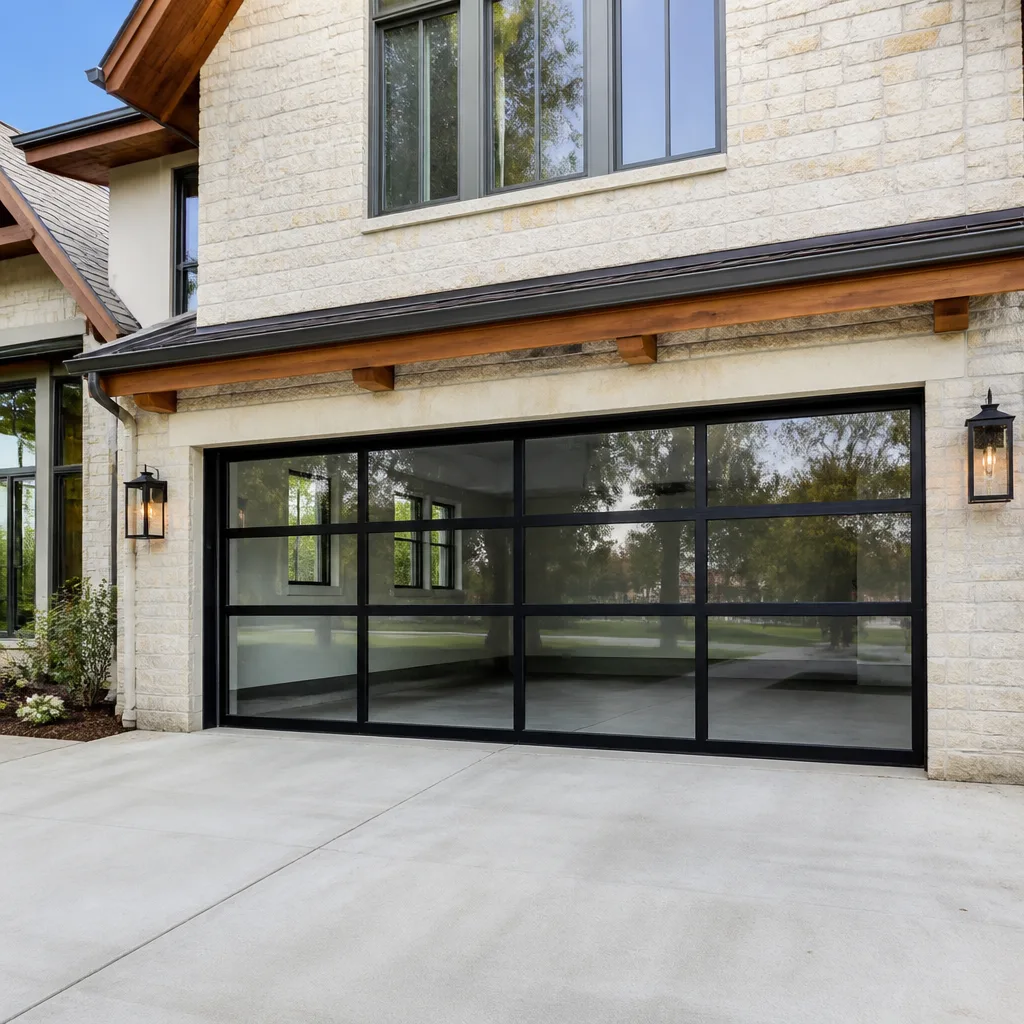 Full-view glass
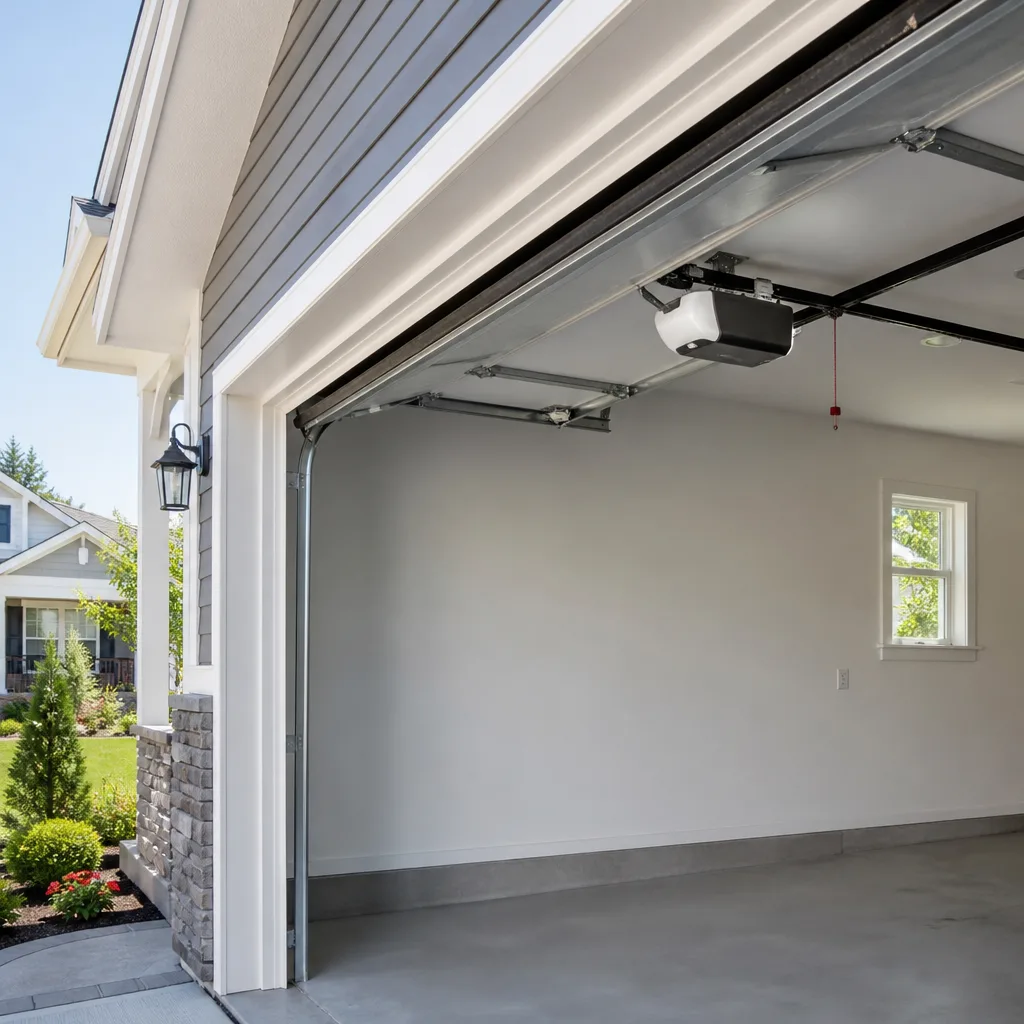 LiftMaster openers
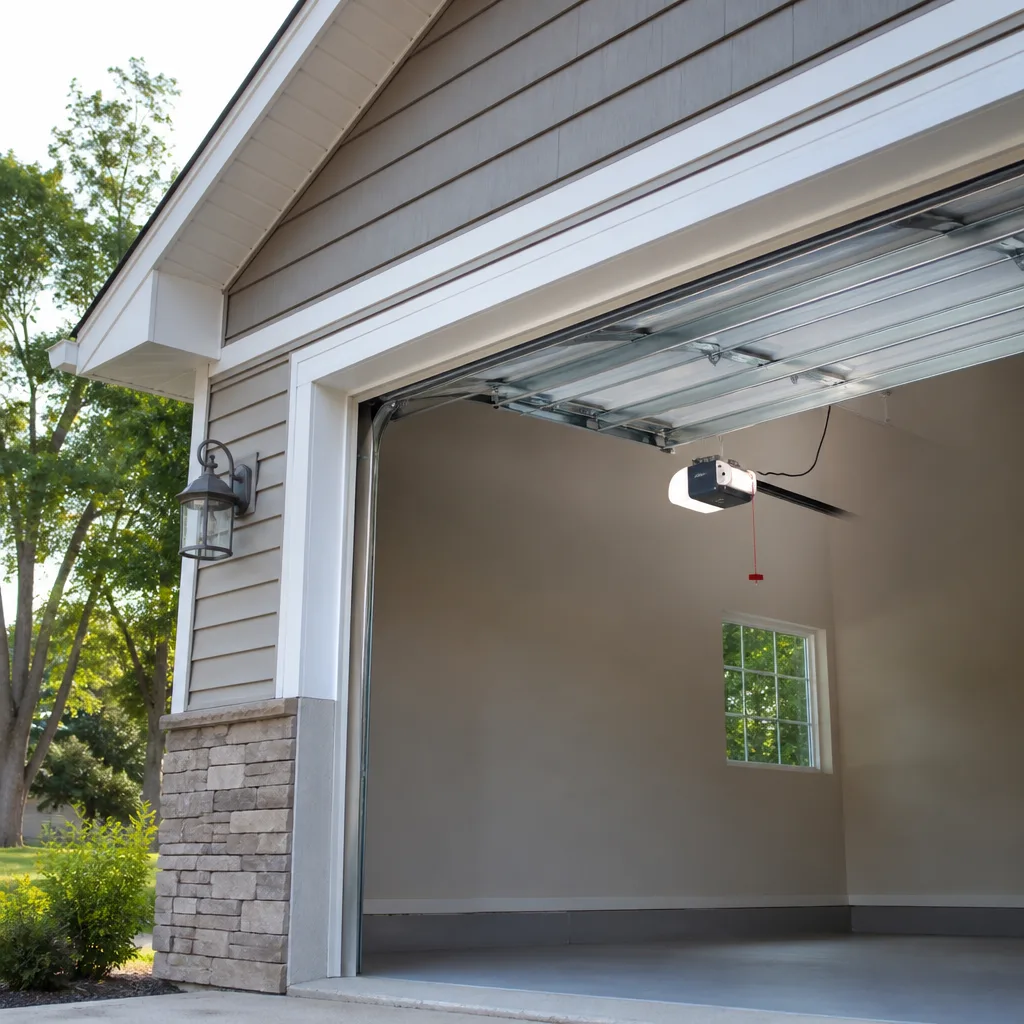 Chamberlain openers
Full 25-point door and opener safety check with every visit - springs, cables, rollers, tracks, and your LiftMaster or Chamberlain opener included
You get a price before we start. It does not change when the truck arrives.
Get your free estimateGarage Door Repair Troubleshooting: Common Problems and How to Fix Them
A garage door that reverses before hitting the ground is not a sensor problem 40% of the time. It’s a spring tension issue. Homeowners in Lake View Terrace and across Los Angeles County replace perfectly good photo eyes every week because they chased the symptom instead of the cause. The door’s behavior looked like a sensor fault, so they fixed the sensor. The door still reversed. The real problem was a tired torsion spring that had lost 15% of its lifting capacity, and the opener’s force limiter was doing exactly what it was designed to do: refuse to close when the load didn’t feel right.
This guide teaches you to think like a diagnostician. We’ll trace symptoms back to the component that’s actually failing, decode the sounds your door makes, translate opener error codes into physical problems, and mark the exact line where troubleshooting becomes a professional-only job. If you’re searching for Garage Door Repair in Lake View Terrace, this is the same diagnostic framework our technicians use before touching a single bolt.
Quick Answer
Garage door troubleshooting starts with identifying what the door is doing (not making noise, reversing mid-close, opening crooked, or refusing to move), then tracing that behavior to the specific component responsible: springs, cables, tracks, rollers, opener motor, or safety sensors. Most problems fall into five categories, and about half are fixed in under an hour with no parts replaced at all. Anything involving torsion springs under tension, frayed cables, or a door off its track requires our Garage Door Repair services immediately.
Styles & brands we work with
- Raised-panel steel
- Carriage house
- Modern flush
- Full-view glass
- LiftMaster openers
- Chamberlain openers
Table of Contents
- The Symptom-to-Component Diagnostic Tree
- The Three Sounds Your Garage Door Makes and What They Mean
- How to Safely Test Springs, Cables, and Track Alignment
- Opener Error Codes: What LiftMaster, Chamberlain, Genie, and Craftsman Are Trying to Tell You
- Door Reverses Before It Closes: The 40% Misdiagnosis
- Door Opens Crooked or Binds Halfway
- Noisy Operation: Grinding, Squealing, and Popping Explained
- The Professional-Only Line: When to Stop and Call
- Common Mistakes to Avoid
- When to Call a Professional
- Frequently Asked Questions
The Symptom-to-Component Diagnostic Tree
Most homeowners start with the wrong question. They ask “What’s wrong with my garage door?” when the useful question is “What is my garage door doing that it shouldn’t be doing?” The behavior is the clue. The component is the answer.
Here’s the diagnostic sequence we use in Lake View Terrace every day, and you can find more guides & resources on our site. Work through it top to bottom. Stop at the first match.
- Door does nothing when you press the button. Check the opener power source first (outlet, GFCI trip, or wall switch). Then check the remote battery. If the wall button works but remotes don’t, it’s a receiver or remote programming issue. If nothing works and the opener hums, suspect a capacitor or motor failure.
- Door moves but strains or stalls. This points to spring tension (the springs carry the weight, not the opener). A broken or fatigued spring makes the opener work against the door’s full weight, which trips the force limiter and stalls operation.
- Door opens fine but won’t close. In order of likelihood: misaligned photo eye sensors, sensor wiring fault, force setting too low, or a spring tension imbalance that mimics a sensor error.
- Door closes but immediately reverses. Run the sensor check first (two minutes), then test spring tension. The 40% misdiagnosis lives here.
- Door opens crooked or scrapes on one side. Cable, track, or spring imbalance. The door is loading unevenly.
- Door is noisy but operates normally. Rollers, hinges, or opener rail lubrication. Rarely urgent, but indicative of wear progression.
This tree works because it never guesses. It observes, then eliminates. In Lake View Terrace, where summer heat accelerates spring metal fatigue and winter rains expose seal failures, the distribution shifts seasonally. Spring failures spike in August. Sensor misalignment spikes after the first heavy rain, when vibration and moisture work on mounting brackets.
The Three Sounds Your Garage Door Makes and What They Mean
A garage door doesn’t have a vocabulary, but it has an accent. Three specific sounds account for nearly every mechanical complaint we hear. Each one maps to a different component.
Grinding: Metal Dragging on Metal
Grinding is the sound of wear. It means a roller bearing has failed and the roller is now sliding against the track instead of rolling. On a Wayne Dalton door with nylon rollers, grinding usually starts at the bottom bracket first because that roller carries the most weight through the curve of the track. On a Raynor with steel rollers, it can be any roller, but the symptom is identical: a rough, sustained dragging sound that follows the door through its travel. The fix is roller replacement, and it should happen before the track wears. A steel roller grinding against a steel track eventually scores both surfaces, turning a $40 part replacement into a track job.
Squealing: High-Frequency Metal Friction
Squealing is a lubrication or bearing problem, not a structural one. A high-pitched squeal that worsens with door speed usually means dry rollers or a dry opener rail. If the squeal continues when the door is disconnected from the opener and moved manually, it’s the rollers. If it only happens under opener power, it’s the rail or the opener’s travel gear. While you’re at it, don’t ignore hinge pins. A Craftsman door with field-installed hinges often develops squeal at the hinge point before the roller ever complains. This is the one category where a homeowner can safely resolve the issue with garage-door-specific lubricant, but never use WD-40. It’s a solvent, not a lubricant, and it strips the existing grease. Use white lithium or silicone.
Popping: Sudden, Sharp Load Shifts
Popping is the sound that should stop you in your tracks. It means a torsion spring is binding or shifting on the shaft, or a cable is momentarily catching and releasing on a drum. A single pop followed by normal operation isn’t necessarily serious, but a pop that repeats during operation indicates a spring that’s about to let go. Torsion springs under load carry thousands of pounds of torque. When one releases, the sound carries through the entire house. Never investigate a popping torsion spring by standing under the door or putting your hands on the spring assembly. This is a call a professional before the next cycle fails situation.
How to Safely Test Springs, Cables, and Track Alignment
You can assess the major components of your garage door without touching anything under tension. Here’s how, with the door in the fully closed position.
Spring Tension Test (Safe Method)
- Pull the emergency release cord (the red handle) to disconnect the opener from the door.
- Lift the door manually to knee height and release it gently.
- The door should stay put, moving neither up nor down. If it drops toward the ground, the springs are under-tensioned or broken. If it rises on its own, the springs are over-tensioned, which is rare after professional installation.
- Lift the door to shoulder height and release again. It should hold position. A door that creeps down slowly indicates spring fatigue that’s progressing toward full failure.
The test itself is safe because you’re not compressing or releasing the spring. You’re using gravity and the door’s own weight to expose what the spring is or isn’t doing. If the door won’t stay up, you’ve confirmed a spring problem without touching a winding cone.
Cable Integrity Check
Look at the cables that run along both sides of the door from the bottom brackets to the drums above. With the door closed, the cables should be taut and parallel. Any fraying is visible as small broken strands that catch the light. Run a finger along the cable, but keep your other hand away from any moving parts. If you see fraying, the cable needs replacement before it snaps. A snapped cable under load is violent, and it can release the spring energy through the remaining cable.
Track Alignment Check
The vertical tracks should be plumb, meaning genuinely vertical, with a consistent gap between the track and the door edge from bottom to top. You can eyeball this from the side. A track that bows inward mid-span can bind the door. Also check the gap between the track and the door itself. It should be consistent. If the gap narrows on one side, the track has shifted. Track bolts can loosen over time, especially on homes in Lake View Terrace where seasonal temperature swings expand and contract the metal. Failing track anchors allow the track to drift toward or away from the door, creating friction.
Opener Error Codes: What LiftMaster, Chamberlain, Genie, and Craftsman Are Trying to Tell You
Modern openers speak in codes. Understanding them turns a blinking light into a diagnosis. Here’s what the common ones mean in plain language.
- LiftMaster / Chamberlain – one click, up arrow flash (1 up, 1 down): Safety sensor wire is shorted or reversed. The opener sees a fault in the sensor circuit. Check the small gauge wires at the back of the opener and at the sensors for exposed copper.
- LiftMaster / Chamberlain – two clicks, up arrow flash twice: Safety sensors are misaligned or blocked. Clean the lens and adjust until the LED glows steady. If it won’t hold, the bracket is loose.
- LiftMaster / Chamberlain – three clicks: Door obstruction. Something is keeping the door from traveling. If no obstruction, suspect a broken spring making the door feel heavy enough to trigger the obstruction logic.
- Genie – red light blinking twice: Safety beam obstruction or misalignment, same diagnostic as above.
- Genie – red light blinking three times: The opener’s force sensor has tripped. This often means the door has become too heavy (spring issue) or the track is binding.
- Craftsman – flashing LED on wall console: Refer to the motor unit where the diagnostic code is held. Craftsman openers of the last 15 years use the same logic as LiftMaster and Chamberlain. One flash is sensor wiring, two is misalignment, three is force/obstruction.
The pattern to notice is that a sensor code doesn’t always mean a sensor problem. When a broken spring makes the door feel wrong to the opener, the opener reports “obstruction” or “force error” because that’s what its sensors are calling it. The opener can’t see the spring. It only knows the door doesn’t move the way it should. That’s why code-reading is a starting point, not a final diagnosis. Our Garage Door Opener Repair in Lake View Terrace service starts with reading the code, then confirms it against the physical components. That order matters.
Door Reverses Before It Closes: The 40% Misdiagnosis
Let’s revisit the most expensive mistake in garage door repair: replacing photo eye sensors when the spring is the problem. The sequence usually goes like this. The door starts reversing before it touches the ground. The homeowner remembers that safety sensors are supposed to prevent the door from closing on objects. They check the sensors, maybe clean them. The door still reverses. So they order replacement sensors, or maybe they pay someone to install replacement sensors. The door still reverses, because the sensors were never the problem.
The door reversed because the spring had lost tension, making the door heavier than the opener expected. The opener, feeling unexpected resistance, flipped its force limiter and reversed direction. It looked like a sensor problem. It behaved like an obstruction. It was neither.
The test that distinguishes them takes 30 seconds. Pull the red release and lift the door manually. If it’s noticeably heavy, or if it drops toward the ground when you release it at knee height, the spring is your culprit. If the door is balanced and moves easily, then check the sensors. Sensor problems cause the opener to refuse to start its downward travel at all, or to reverse immediately upon travel. A spring-tension issue causes the door to travel most of the way down, then reverse. The location of the reversal is the diagnostic difference.
In Lake View Terrace, where many homes have doors originally installed during the 1990s building boom, spring fatigue is common. Those springs have been wound and unwound thousands of times. Metal doesn’t need to break to fail. It just needs to lose modulus. The door gets heavier by degrees until the opener can no longer manage it.
Door Opens Crooked or Binds Halfway
A door that doesn’t travel straight is a mechanical problem, not an opener problem. The opener pulls from the center. If the door veers left or right, something is unbalanced in the door’s load path.
Start with the cables. On a torsion spring system, both cables wind onto a drum above the door. If one drum has slipped on the shaft, that cable length changes. One side lifts faster than the other, and the door twists in its tracks. This will eventually bind, and when it binds, the opener may try to force it. That’s when doors jump their tracks.
Check both cables for equal tension. If one is slightly slack while the other is tight, the drum has slipped. This is not a homeowner fix. The drum is under spring tension, and resetting it requires releasing that tension safely.
An alternative cause is a damaged or derailed roller. If one roller on one side has left the track, the door will list toward that side as it travels. Sometimes you can see this from inside the garage without touching anything. Look up the track line on both sides. A roller that’s out will show an obvious gap where it should be seated.
A third cause, more common on Wayne Dalton doors with their lighter torsion designs, is a cracked door section. When a section fails, it changes the door’s geometry. One side sags, and the door travels crooked until the section is replaced. This is diagnosis-first thinking in action: the crooked travel isn’t the problem. It’s the visible result of a structural failure. Fixing the alignment without fixing the section just resets the clock until the next bind.
Noisy Operation: Grinding, Squealing, and Popping Explained
We covered the three sounds above, but it’s worth connecting them to a maintenance timeline. A garage door typically operates 1,500 to 2,000 cycles per year in a household that uses it for daily parking. That’s roughly four to six open-close cycles a day. At that rate, rollers last 7 to 10 years, hinges last 12 to 15, and torsion springs last 10,000 cycles give or take, which is 5 to 7 years for most families.
Noise is the leading indicator of where you are on that timeline. A squealing door is not urgent but suggests rollers are drying out. A grinding door usually means a roller has already failed. A popping door is the one that deserves immediate attention, because it indicates a spring or cable that’s shifting under load.
For Lake View Terrace homeowners, the practical takeaway is this: if the door has become louder over the last year, don’t wait for it to stop working entirely. Noise is information. A door that’s getting progressively louder is telling you that a component is wearing, and the repair is cheaper now than it will be after the component fails and takes something else with it.
The Professional-Only Line: When to Stop and Call
Everything above is diagnostic. Some of it is safe to act on. Lubricating rollers and hinges, cleaning photo eye lenses, tightening loose track bolts, and replacing remote batteries are all reasonable homeowner tasks. But there’s a hard line, and crossing it can cause serious injury.
Do not attempt:
- Torsion spring removal or adjustment. Torsion springs store enough energy to break bones, sever fingers, or worse. They require winding bars and specific technique. This is the number one cause of garage-door-related injury.
- Cable replacement or drum adjustment. Cables run through the same tension system as the springs. Cutting or unhooking a cable under tension turns it into a projectile.
- Track removal or major realignment. If the track requires bending or sections need replacement, the door must be fully supported. A door that slips during track work can fall with crushing force.
- Opener motor and gear replacement. The opener’s internal gear train requires disassembly and calibration. A botched gear replacement can leave the force settings wrong, creating an entrapment hazard.
The line is simple: if the repair requires releasing spring tension, supporting the full weight of the door, or working inside the opener motor, it’s professional work. Whitfield Garage Door Repair is a garage door specialist covering the full spectrum of garage door repair in Lake View Terrace, and we’d rather see you call before crossing that line than after. The repair is safer, faster, and cheaper when it’s done before a failed component damages the next one in the chain.
Common Mistakes to Avoid
- Replacing sensors before testing spring balance. The 40% misdiagnosis. If the door reverses mid-close, pull the release and lift it manually before buying anything. A heavy door means spring work, not sensor work.
- Using WD-40 on rollers and hinges. It’s a solvent. It cleans, then it leaves the metal dry. Within a month, the noise is worse. Use a garage-door-specific lithium or silicone lubricant.
- Disconnecting the opener with the door in the raised position. If the spring is broken, the door will drop once the opener releases. Always disconnect with the door in the closed position, or verify spring balance first.
- Tightening track bolts before checking the underlying problem. A track that has moved was probably moved by a door that’s not traveling true. Tightening the bolts may just lock in the misalignment.
- Ignoring a popping sound. Popping is a spring or cable shifting under load. It might operate fine for another week, or it might fail on the next cycle. Treat it as a red flag.
- Adjusting the force settings to “fix” a reversing door. The force limiter is reversing for a reason. Raising the force setting works around the symptom and creates an entrapment risk. This is the most dangerous mistake on this list.
- Lubricating a grinding roller instead of replacing it. Once a roller bearing has failed, lubricant buys you days, not months. The grinding continues, and so does the track damage.
When to Call a Professional
Call a garage door specialist when the diagnostic work is done and the fix involves tension, weight, or opener internals. That means broken or fatigued springs, frayed or snapped cables, a door off its track, a drum that has slipped, or an opener that needs gear or logic board replacement. It also means any time you’ve tried the safe fixes and the door still isn’t right. A second visit from a specialist costs less than a misdiagnosed repair plus the eventual correction. Whitfield Garage Door Repair offers free estimates in Lake View Terrace. We work on LiftMaster, Chamberlain, Genie, Clopay, Amarr, Wayne Dalton, Craftsman, and Raynor equipment, and our technicians are garage-door-only. Call (866) 282-6912 to schedule.
Frequently Asked Questions
Pull the emergency release cord with the door closed and try to lift the door manually. If it feels unusually heavy or drops when released, the spring is broken or fatigued. You’ll often also see a visible gap in the torsion spring above the door where it has separated. A broken spring is professional-only work.
It’s either a safety sensor issue or a spring tension issue. If it reverses after traveling most of the way down, spring fatigue is the likely cause. If it reverses immediately, check the sensors. Test spring balance by lifting the door manually after pulling the release cord.
Generally no. Getting a door back on track requires supporting the door’s full weight, releasing the opener, and often relieving spring tension to realign the cables. It’s one of the more dangerous repairs, and it’s the one most likely to go wrong if attempted without a door support and the right tools.
Repair costs in Lake View Terrace typically run from $120 to $450 depending on the part. A roller replacement might be at the low end. A spring replacement, including parts and labor, usually runs $180 to $350. A full door replacement is a separate scope. Call (866) 282-6912 for an exact quote. Estimates are free.
Torsion springs are rated for 10,000 cycles, which for most households is 5 to 7 years. If your springs are older than that, or if the door has become noticeably heavier in recent months, schedule an inspection. A spring replacement before failure is a controlled repair. After failure, it’s an emergency.
Whitfield Garage Door Repair services LiftMaster, Chamberlain, Genie, Clopay, Amarr, Wayne Dalton, Craftsman, and Raynor. We service existing equipment before recommending replacement, so if your door can be fixed, that’s what we’ll tell you. For Garage Door Installation in Lake View Terrace, we also install and configure new doors from the same manufacturers.
The Bottom Line
Garage door troubleshooting is a skill, and like most skills, it’s mostly about asking the right question. What is the door doing? What component controls that behavior? Which tests confirm which suspect? If you take nothing else from this guide, take the diagnostic tree and the spring test. Those two tools will save you from the most common repair mistake in the business. And when the diagnosis points to a component under tension, call a garage door specialist. Your largest moving part deserves one. For help in Lake View Terrace, call Whitfield Garage Door Repair at (866) 282-6912.
Written by the team at Whitfield Garage Door Repair, serving Lake View Terrace since 2012.
See the difference
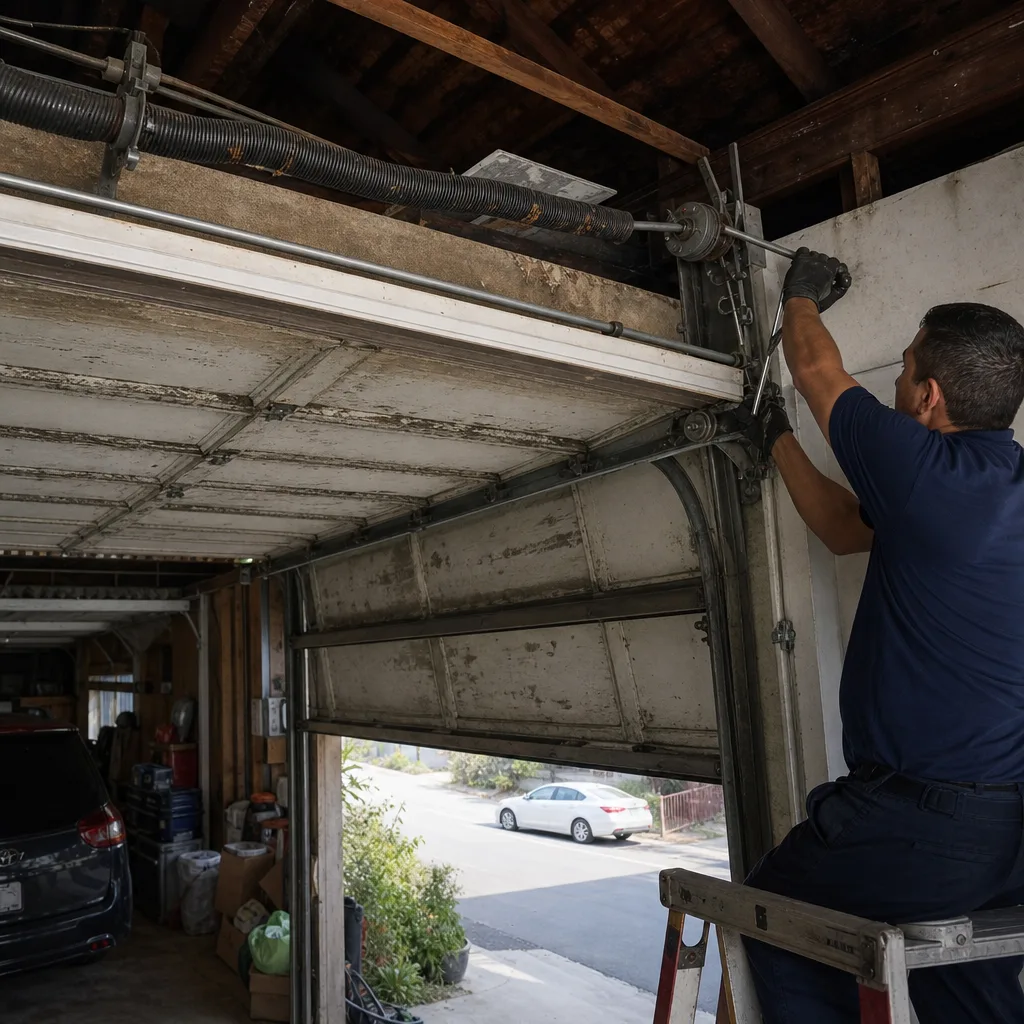 Before
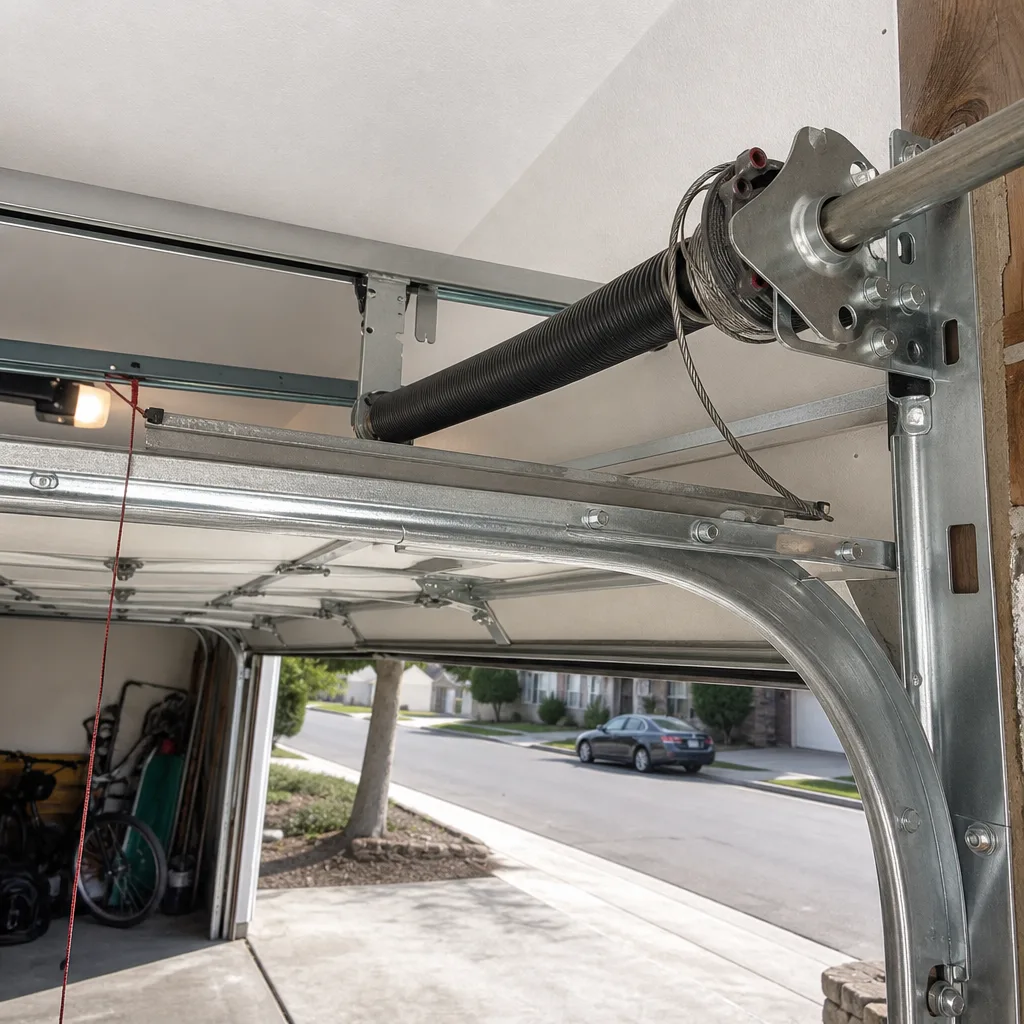 After
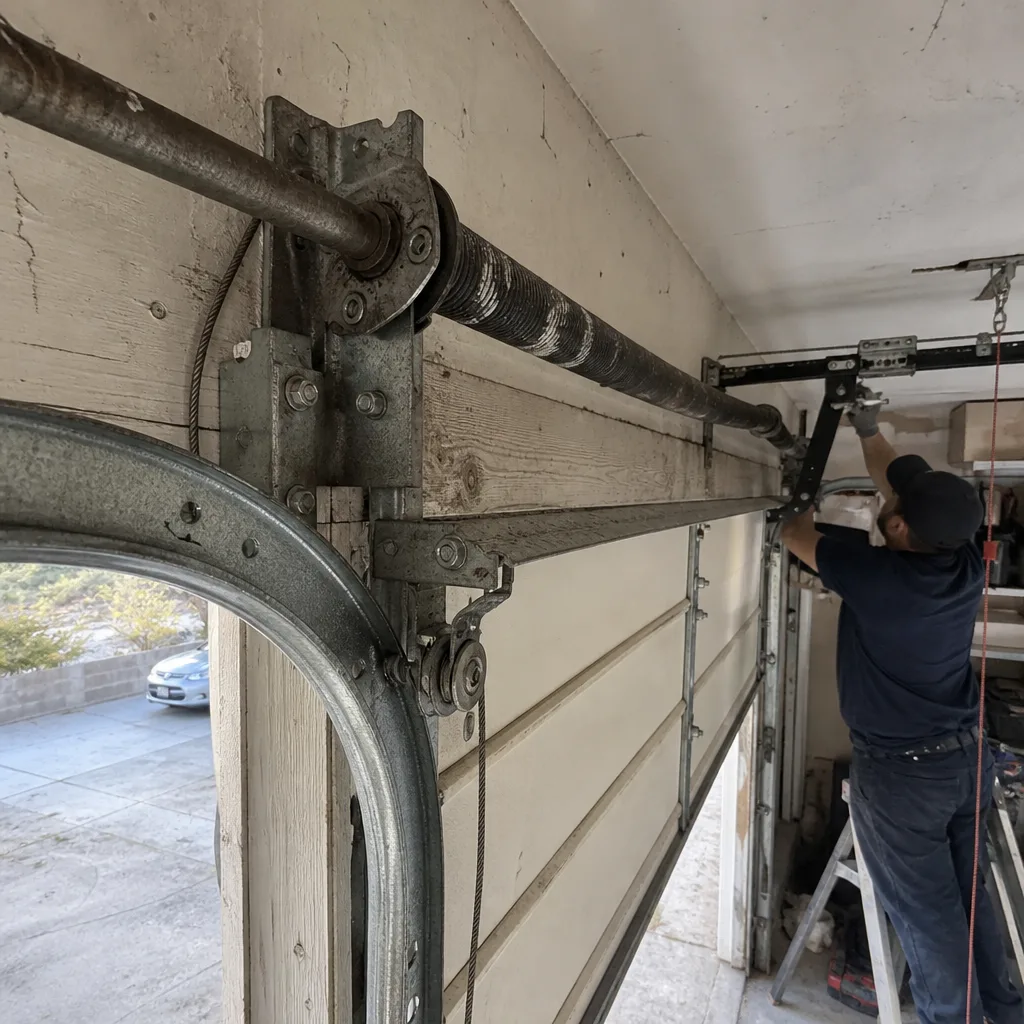 Before
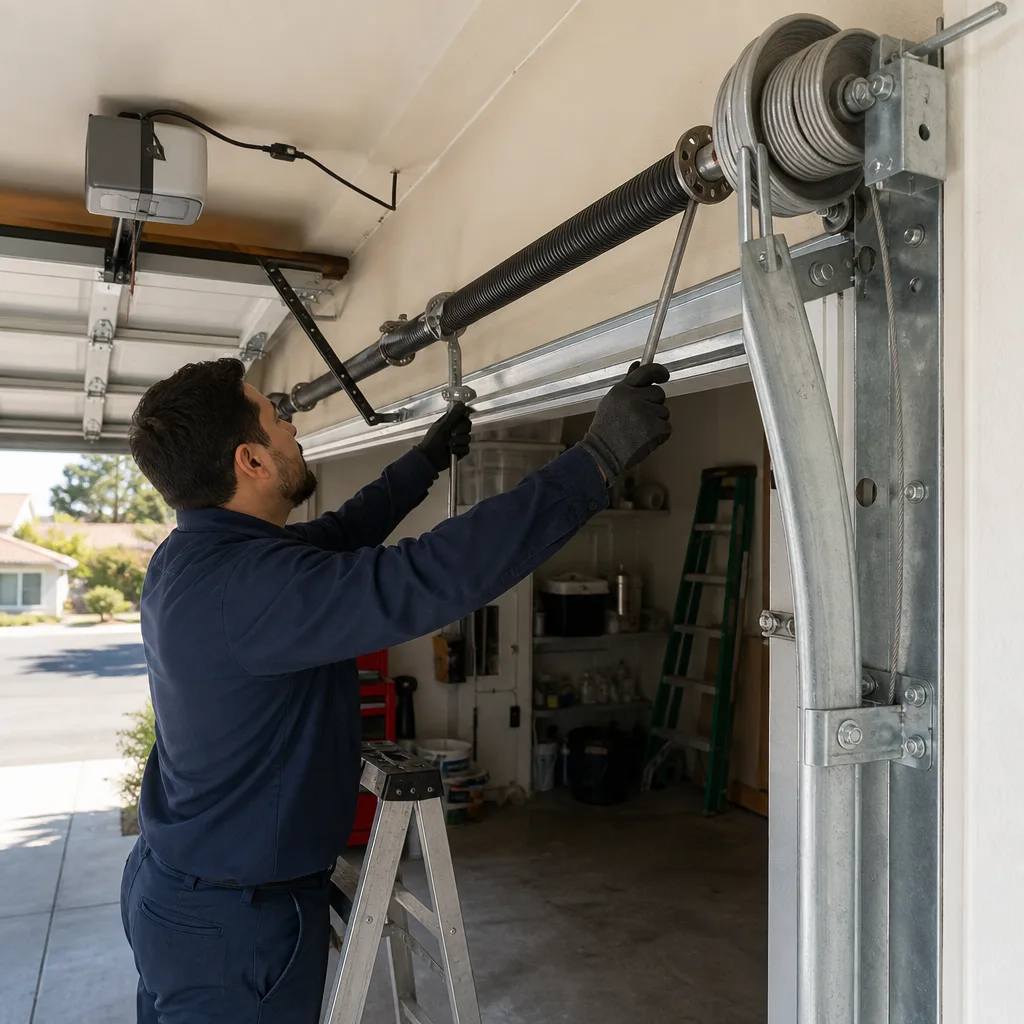 After
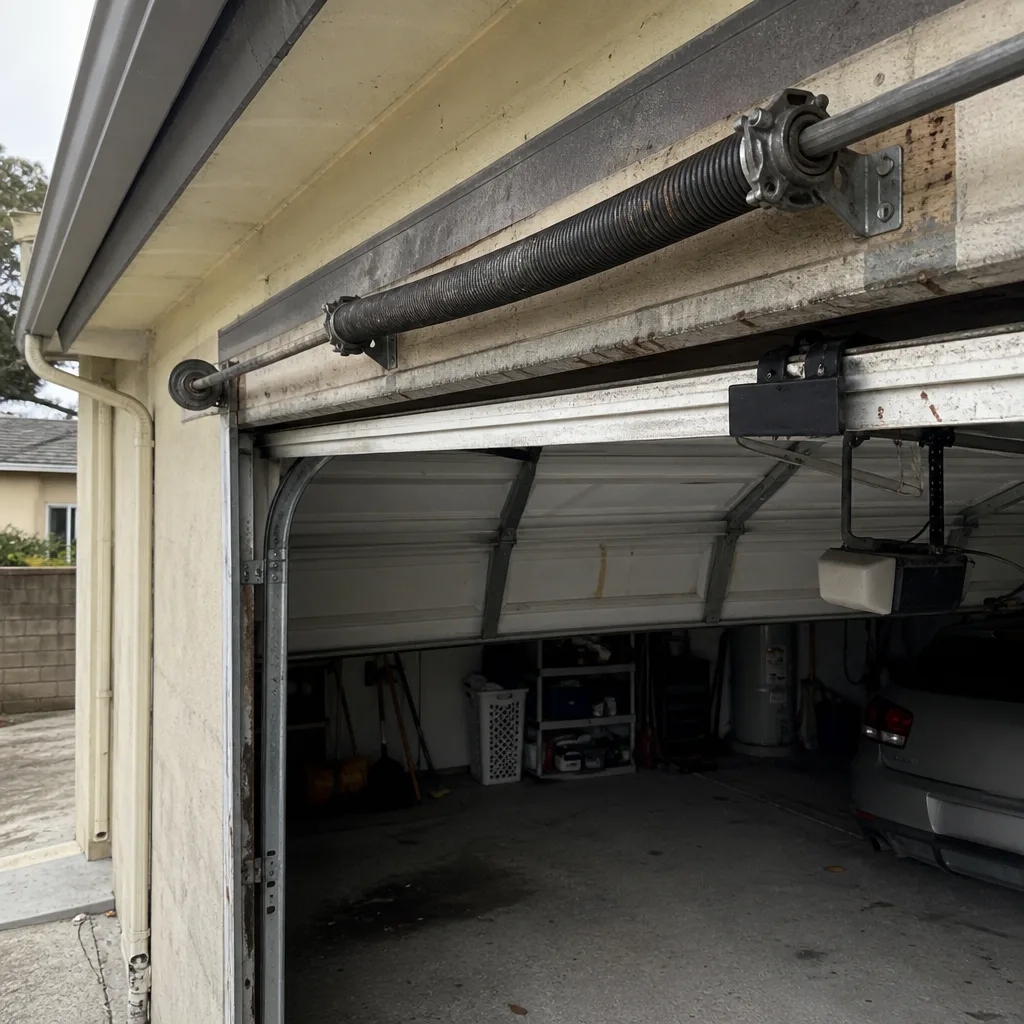 Before
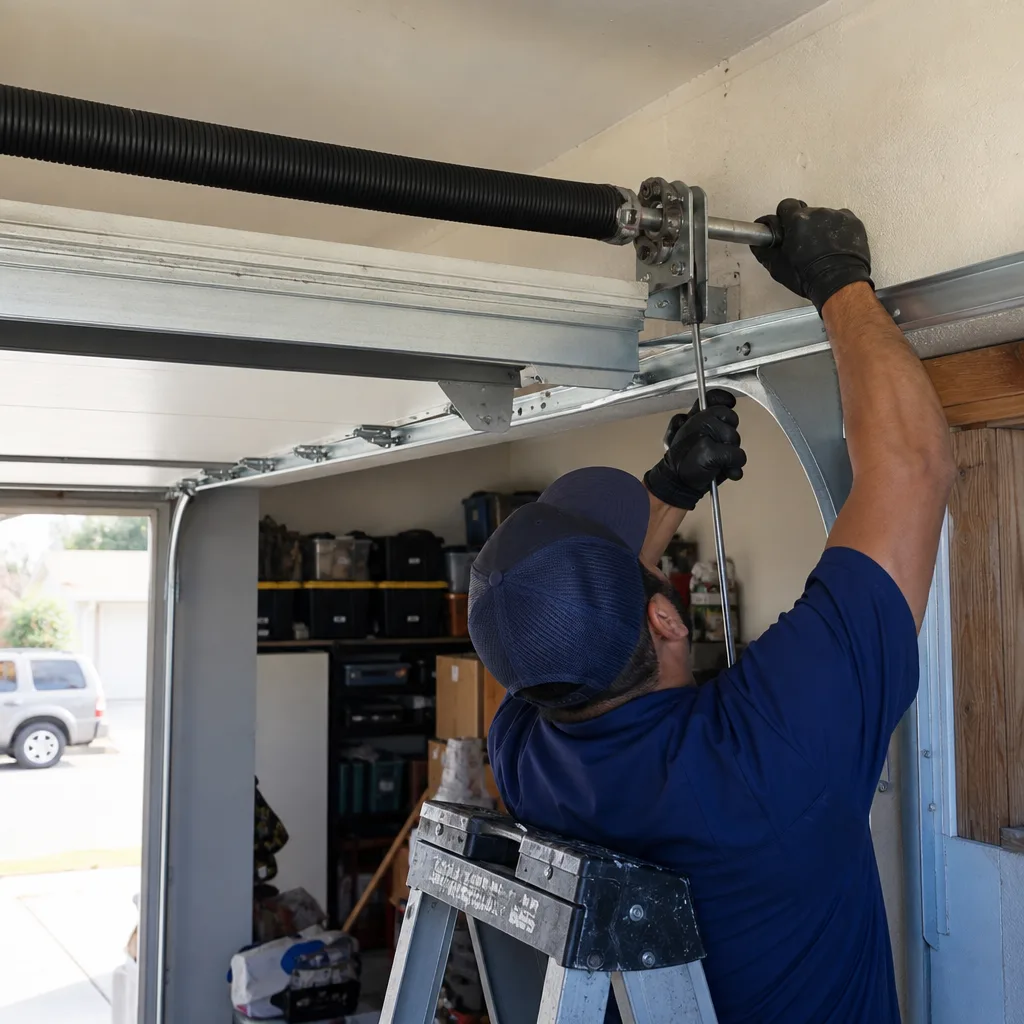 After