
Last updated November 2, 2026
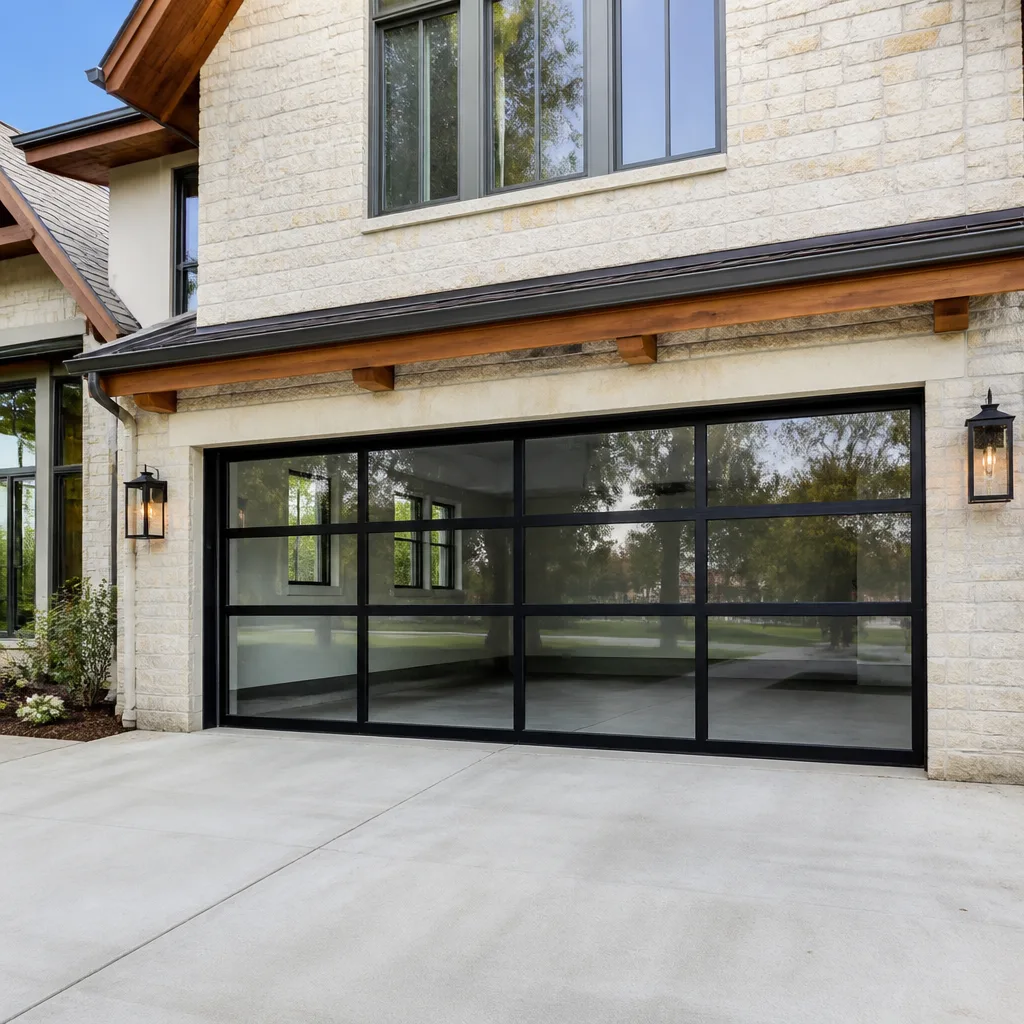 Full-view glass
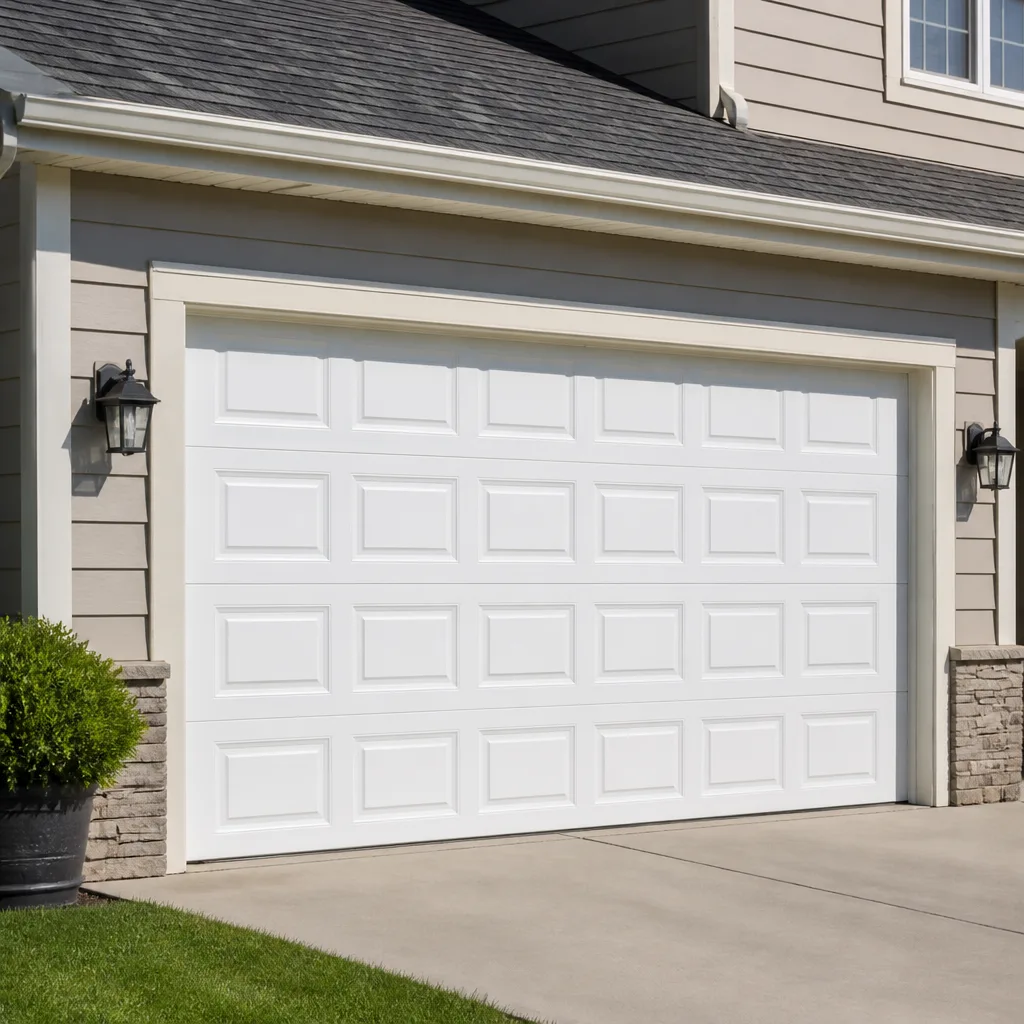 Raised-panel steel
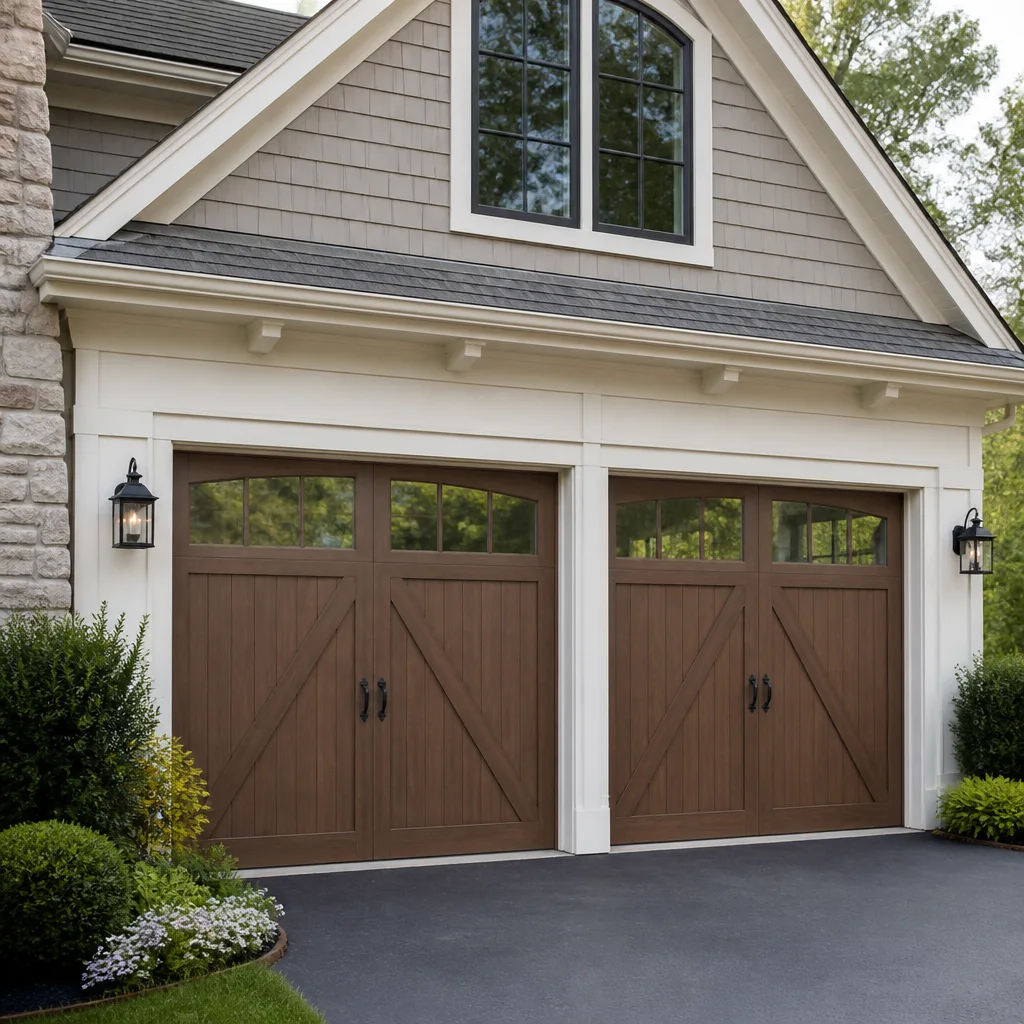 Carriage house
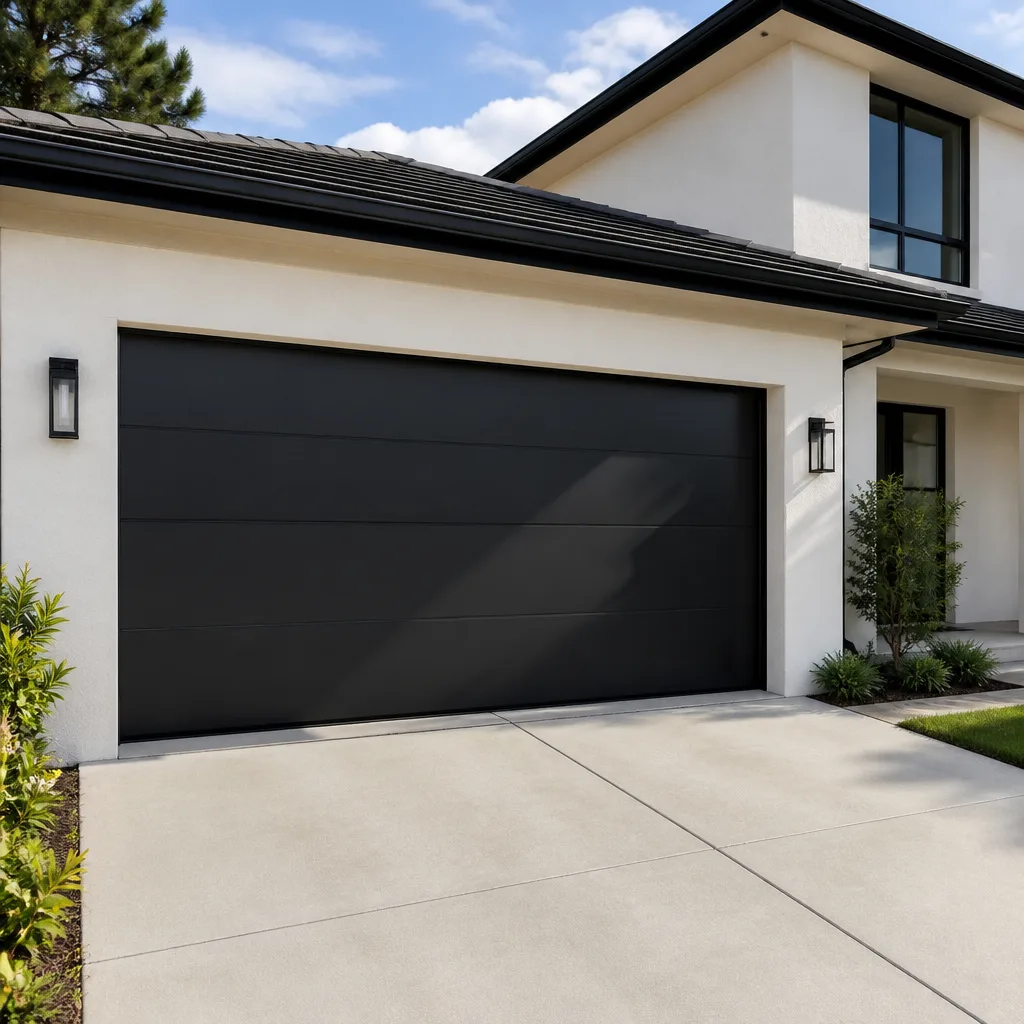 Modern flush
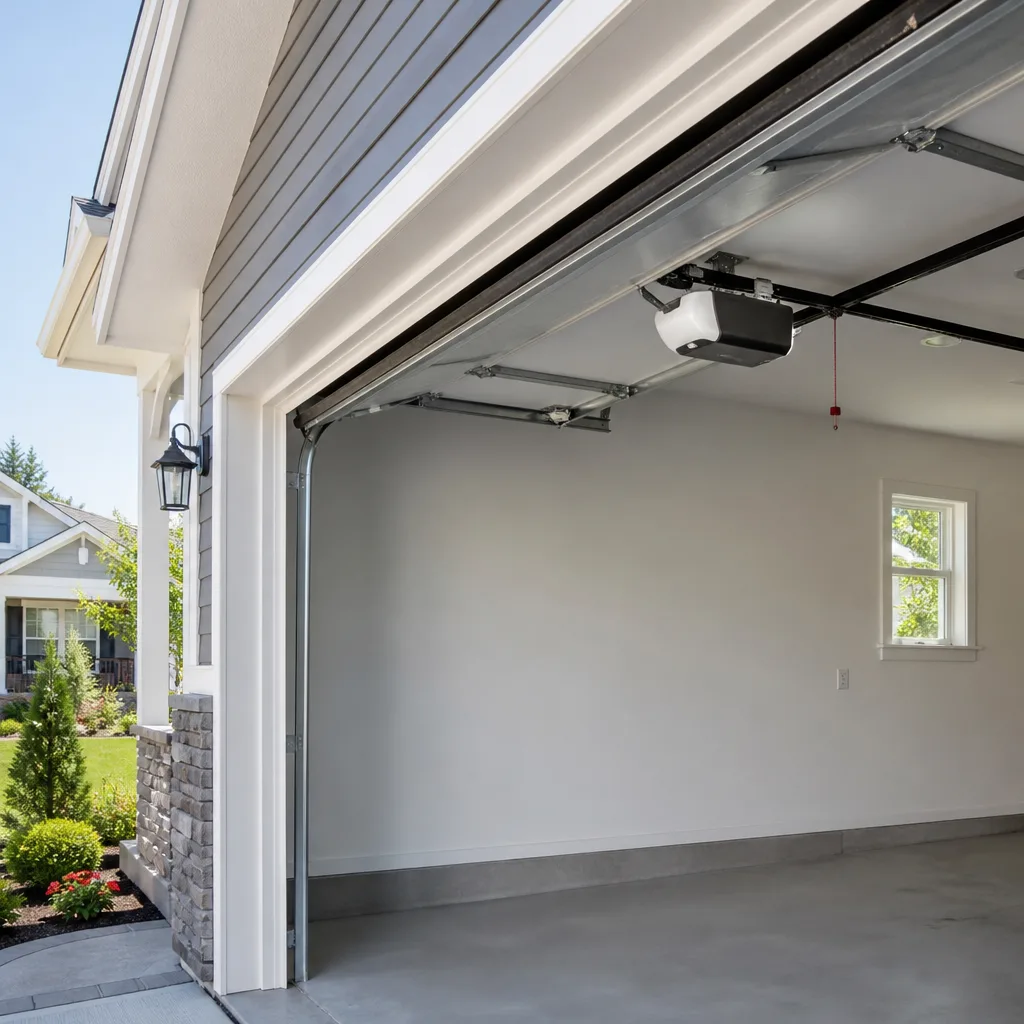 LiftMaster openers
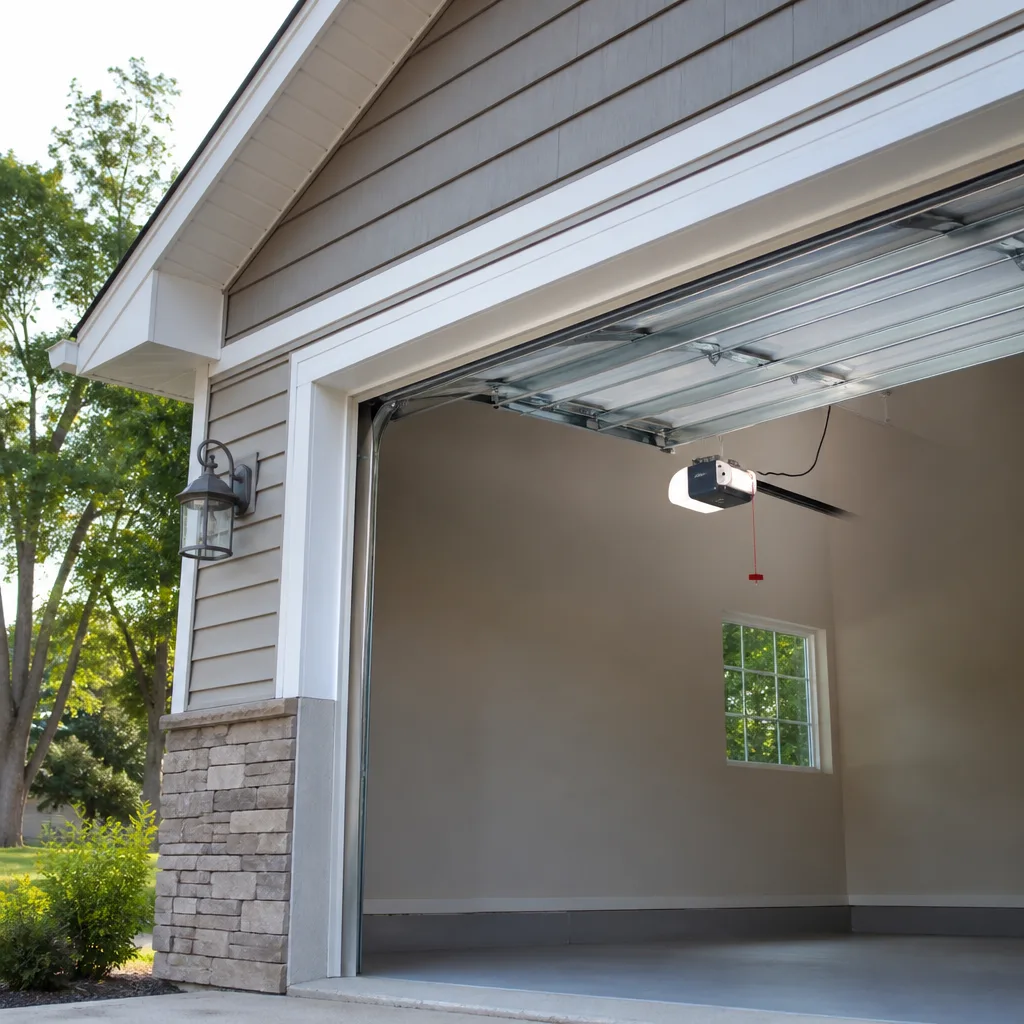 Chamberlain openers
Full 25-point door and opener safety check with every visit - springs, cables, rollers, tracks, and your LiftMaster or Chamberlain opener included
You get a price before we start. It does not change when the truck arrives.
Get your free estimateGarage Door Emergency Preparedness Guide for Lake View Terrace Homes
Every year, homeowners in Lake View Terrace prepare for wildfire season by clearing brush, checking hoses, and reviewing evacuation routes. But the single largest moving part in the home, the garage door, rarely makes the preparedness checklist. That’s a dangerous oversight. When an evacuation order comes at 3 a.m. with power already out, or a post-earthquake inspection reveals a door that no longer tracks properly, the time to discover your garage door has failed is not during the emergency. This guide walks through the specific risks Lake View Terrace homes face, how to prepare your garage door before a crisis, and exactly what to do when seconds matter. For Garage Door Repair Troubleshooting: Common Problems and How to Fix Them, see our dedicated troubleshooting resource.
Quick Answer
Garage door emergency preparedness for Lake View Terrace homes means testing your manual release mechanism before disaster strikes, installing a backup battery opener to survive wind-event power outages, maintaining weatherstripping to block wildfire ember intrusion, and knowing how to perform a basic post-earthquake visual inspection. The single most important step you can take today is to test your garage door’s emergency release cord and confirm the door operates smoothly by hand. If it doesn’t, call (866) 282-6912 for a free estimate before evacuation season begins.
Styles & brands we work with
- Raised-panel steel
- Carriage house
- Modern flush
- Full-view glass
- LiftMaster openers
- Chamberlain openers
Table of Contents
- Why Lake View Terrace Garage Doors Need a Different Standard
- How to Use the Emergency Manual Release Correctly (And Why Testing Matters)
- Backup Battery Openers: The Lake View Terrace Wind Event Lifeline
- Post-Earthquake Garage Door Inspection: What to Check Before Resuming Use
- Wildfire Ember Intrusion: Weatherstripping as Your First Line of Defense
- When the Power Goes Out: Operating Your Garage Door Safely
- Your One-Page Emergency Reference Card
- Common Mistakes to Avoid
- When to Call a Professional
- Frequently Asked Questions
Why Lake View Terrace Garage Doors Need a Different Standard
Lake View Terrace occupies a unique geographic position between the Hansen Dam Recreation Area and the foothills of the Angeles National Forest. That setting brings beauty, but it also brings three overlapping risks that most garage door preparedness guides never address: wildfire evacuation, high-wind power outages, and seismic activity. Before proceeding, check Garage Door Permits, Codes & Inspections in CA: What You Need to Know to ensure your setup meets current requirements. Each affects garage door functionality in its own specific way.
During the Creek Fire and Saddleridge Fire seasons, thousands of Lake View Terrace residents experienced evacuation warnings. What many discovered for the first time is that a garage door opener without battery backup is useless when power lines are down or utilities have been preemptively shut off. The door becomes a dead weight connected to a dead motor. If you haven’t tested the manual release in years, or if the door was installed with a manual release that’s rusted or bound, you’re now dealing with two emergencies at once: the fire and the door.
Wind events like the Santa Ana conditions that frequently hit the northeast San Fernando Valley bring down tree limbs and, in some Lake View Terrace neighborhoods, overhead power lines along Foothill Boulevard and Glenoaks Boulevard corridors. SCE public safety power shutoffs have become part of the seasonal rhythm here. A garage door that works perfectly during normal weather becomes a barrier when the power has been off for 18 hours and your car is trapped inside.
Then there’s seismic risk. Lake View Terrace sits roughly 10 miles from the San Fernando fault zone, and the 1971 Sylmar and 1994 Northridge earthquakes both caused structural damage across the northeast Valley. After meaningful shaking, garage door tracks can shift, springs can lose tension, and rollers can jump their rails. The door may look fine from the curb and fail catastrophically the next time you press the opener button.
How to Use the Emergency Manual Release Correctly (And Why Testing Matters)
Every automatic garage door opener includes an emergency release mechanism, typically a red cord hanging from the opener rail. Pulling that cord disconnects the door from the opener carriage, allowing you to lift the door by hand. That’s the summary version. The reality of using it during an emergency is less forgiving.
Most homeowners have never pulled the red cord. In our experience across Lake View Terrace, doors that have gone years without a manual release test often have one of three problems: the cord is brittle and snaps, the release mechanism is seized, or the door is so poorly balanced that lifting it by hand requires strength most people don’t have. None of these are discoverable during an evacuation.
Here’s the step-by-step process to test and use the manual release correctly:
- Close the door completely. Never attempt to disengage the opener while the door is open or partially open. A disconnected door under spring tension can slam down with enough force to cause serious injury.
- Locate the red emergency release cord. It hangs from the opener rail, usually near the motor unit. Some newer openers use a small release lever instead of a cord.
- Pull the cord firmly toward the door. You should hear or feel the carriage disengage with a distinct click.
- Lift the door by hand using the handle or bottom edge. The door should rise smoothly with roughly 10 to 15 pounds of force. If it feels heavy, sticks, or drops suddenly when released, the springs need attention.
- Keep the door secured in the open position. When disengaged, the door has nothing preventing it from crashing down except the springs. Use locking pliers or a clamp on the track below a roller to hold the door open if you need to leave it raised.
- Re-engage the opener. Pull the release cord toward the opener motor until the carriage clicks back into place. Press the opener button once to confirm reconnection.
Test this process twice a year. Schedule it with your smoke detector battery changes. If the door doesn’t lift smoothly, that’s a spring, roller, or track issue, and it will only worsen. Garage Door Repair in Lake View Terrace covers spring replacement and track realignment for every major brand.
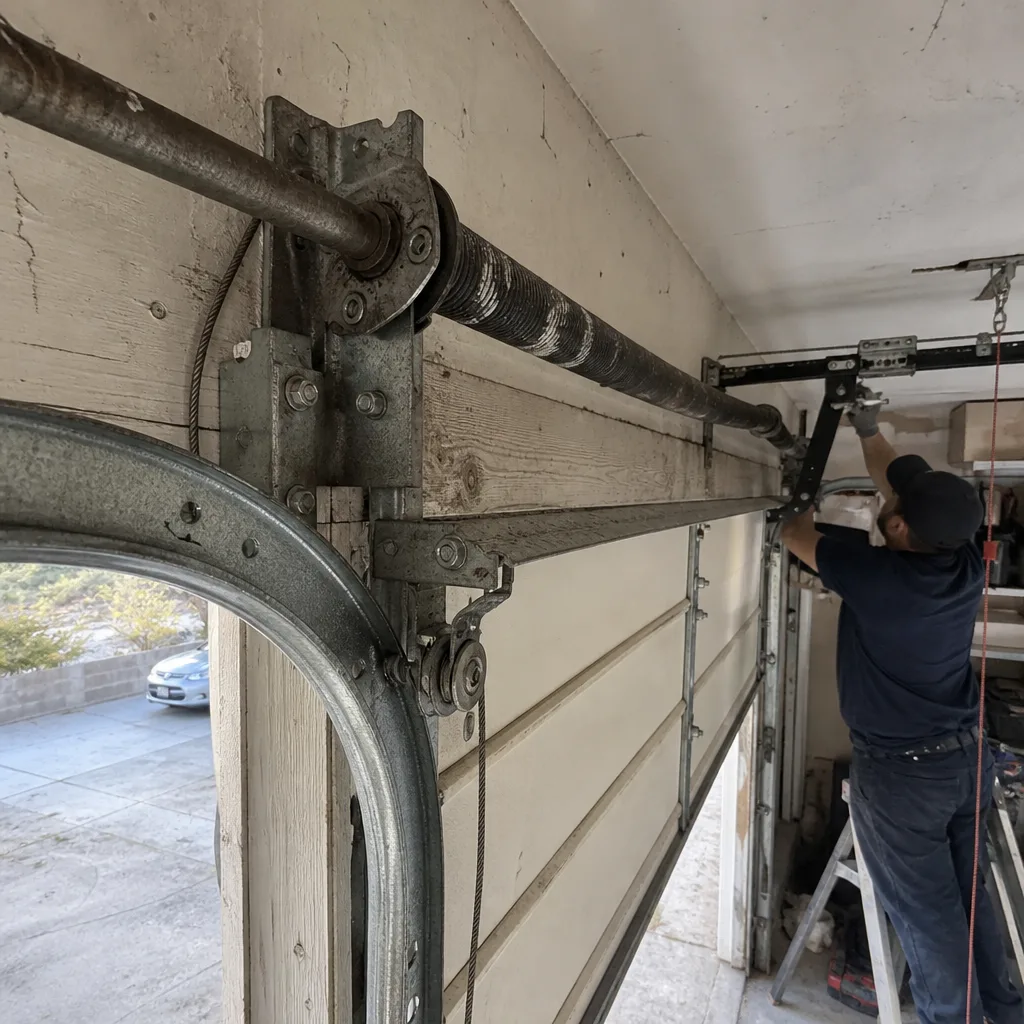
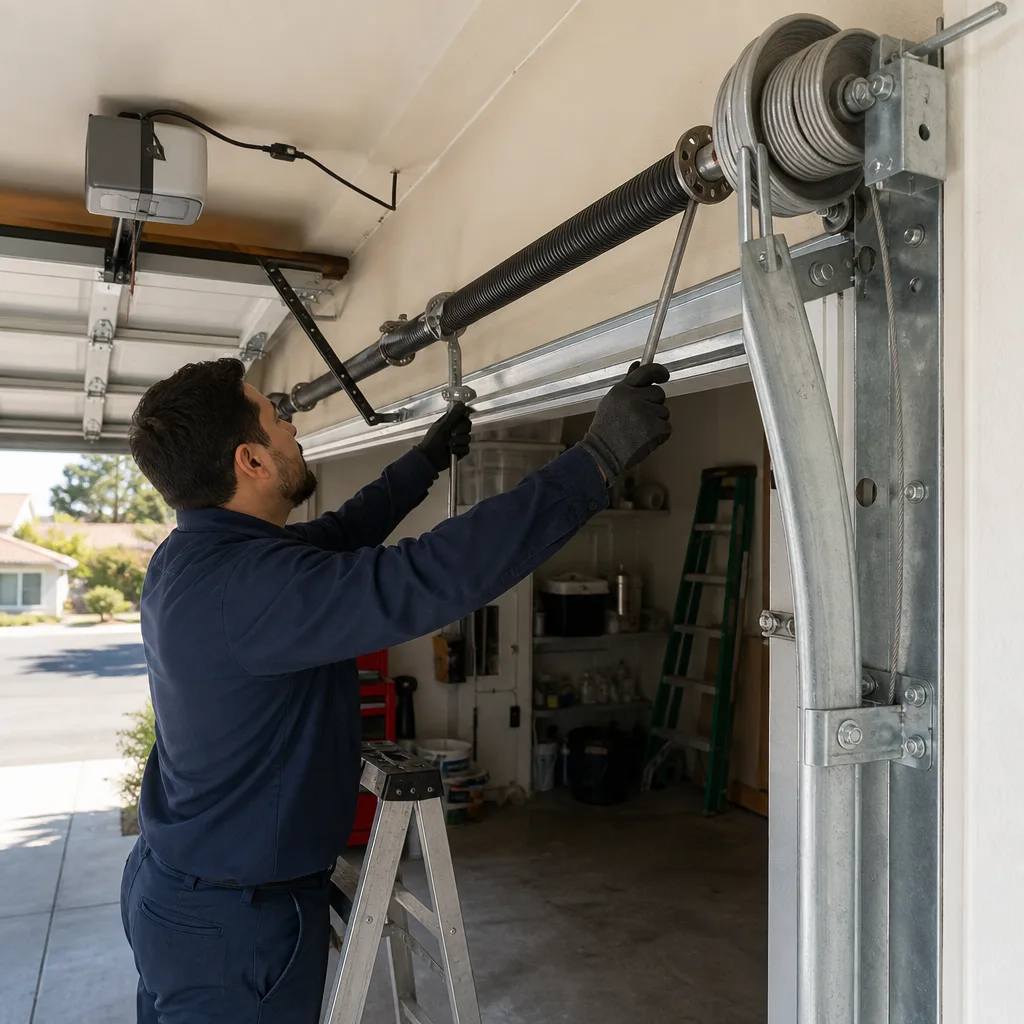
One caution about torsion springs: the springs themselves are under extreme tension and are the most dangerous component in the system. We never advise homeowners to adjust, replace, or even inspect torsion springs up close. A spring that breaks during manual operation can release stored energy violently. If your door feels unusually heavy or you hear a loud bang while operating it, stop using the door and call a garage door specialist who is trained to work on that specific brand’s spring configuration.
Backup Battery Openers: The Lake View Terrace Wind Event Lifeline
If there’s one upgrade we recommend more than any other to Lake View Terrace homeowners, it’s a garage door opener with backup battery capability. Here’s why this matters specifically in this community: public safety power shutoffs and wind-event outages have repeatedly left northeast Valley neighborhoods without power for 12 to 36 hours at a stretch. That’s not a brief inconvenience. That’s an extended window where a standard opener simply cannot move the door.
Backup battery openers draw power from an internal rechargeable battery when line voltage drops. The better units from Chamberlain and Genie will open and close the door 20 to 50 times on battery power before needing a recharge, which covers even an extended outage when used judiciously.
What to look for in a backup battery opener:
- Brand-matched compatibility. A Chamberlain battery backup system is engineered for Chamberlain openers. Genie systems are built for Genie. Mixing components across brands creates reliability problems. If you’re unsure what opener you have, the brand is printed on the motor unit cover.
- Battery age. Backup batteries degrade after 2 to 4 years regardless of use. If your opener is older than that and has never had a battery replacement, it may not perform when the power goes out.
- Test cycle. Most units include a test function. Use it monthly. A battery that shows “charged” but has failed internally is common and undetectable without testing.
- DC motor design. Openers with DC motors (common in Chamberlain and Genie models from the past decade) are significantly more efficient on battery power than older AC motor units, translating to more open/close cycles during an outage.
For homes with a single car, one backup battery opener solves the problem. For two-car households with two separate doors, the primary door, the one you’d use to evacuate with a vehicle, should get the upgrade first. The second door can be operated via manual release if needed.
If your opener doesn’t support battery backup, replacement is the only option; it can’t be retrofitted. Garage Door Opener Repair in Lake View Terrace includes opener replacement with battery-capable models across the Chamberlain, Genie, and LiftMaster lines.
Post-Earthquake Garage Door Inspection: What to Check Before Resuming Use
Sediment bowl geography at the Hansen Dam makes Lake View Terrace geologically active terrain, and while modern building codes keep homes upright, the garage door is an exposed moving system that absorbs shaking differently than the surrounding structure. After any earthquake that rattles the house enough to notice, conduct this five-point visual inspection before pressing the opener button.
This is a visual inspection from the ground, not a repair procedure. Do not attempt to adjust, loosen, or tighten any component while the door is under spring tension.
- Check the door panel alignment. Stand inside the garage and look down the seam where the door meets the side jambs. Both sides should show a uniform gap. A door that’s shifted even half an inch means the track or mounting brackets moved.
- Examine the vertical tracks. Look for visible bending, twisting, or separation from the wall. Track brackets should be flush against the jamb, not pulled away. Bent or pulled brackets are the most common post-earthquake garage door failure we see in Lake View Terrace homes.
- Check the horizontal tracks and hangar straps. The horizontal portion of track should be level, and the perforated straps that suspend it from the ceiling should be straight. Pulled straps indicate the ceiling structure moved relative to the tracks.
- Listen when you operate the door. If you pass the visual check, open and close the door. New grinding, scraping, or popping sounds signal roller damage, track misalignment, or a spring that’s losing tension. Stop operating the door if the sound is new.
- Watch the door’s travel path. The door should move smoothly and stop flush with the ground. Hesitation, stuttering, or a door that reverses itself suggests the opener’s force settings or limits were disturbed, or the track is now binding.
If any of these checks fail, keep the door closed and disconnect the opener using the manual release only if you need to exit or enter. A misaligned door can jump its track, and a door off its track can fall. This is a situation for a garage door specialist, not a handyman: the track system, spring assembly, and opener are interconnected, and repairing one without checking the others is how you get a callback failure when the next event hits.
Wildfire Ember Intrusion: Weatherstripping as Your First Line of Defense
During wildfire conditions, embers can travel a mile or more ahead of the flame front. In the horse-keeping and hillside neighborhoods of Lake View Terrace, those embers find every gap in a home’s exterior envelope. The garage door is the largest single opening in most houses, and the weatherstripping around it is the only barrier between wind-driven embers and the garage interior where fuels, stored goods, and often a vehicle with a fuel tank sit.
Gaps to inspect, in order of priority:
- Bottom seal (astragal). The rubber strip along the bottom of the door compresses against the garage floor. After years of compression, UV exposure, and rodent damage, it often shows gaps at the corners or tears in the middle. Embers driven along the pavement enter here. A bottom seal in good condition should contact the slab across the full width of the door.
- Side and top jamb seals. The vinyl weatherstripping nailed to the exterior jamb should press firmly against the door face when the door is closed. Warped sections, especially on sun-exposed west-facing doors, curl away and leave gaps an ember can exploit.
- Between door sections. The horizontal seams where each panel meets the next have small seals that wear with each open/close cycle. Over time they shrink and crack, leaving fine gaps across the width of the door. Openers from Clopay and Amarr include interlocking section joints on many models, but older doors may not.
- Around the door frame. Where the wood or metal jamb meets the stucco or siding, caulk may have separated. While smaller than the door gaps, these cracks are ember collectors.
Replacing aged weatherstripping is one of the lowest-cost, highest-value preparedness actions a Lake View Terrace homeowner can take. It reduces ember intrusion risk during fire season, improves dust sealing during wind events, and lowers heating and cooling costs the rest of the year. For older doors, particularly those installed before 2000, section seals may not be replaceable; in that case, the door itself is the issue and Garage Door Installation in Lake View Terrace covers modern Amarr and Clopay doors with engineered ember-resistant sealing built in.
When the Power Goes Out: Operating Your Garage Door Safely
Power outages in Lake View Terrace during wind events can happen with no warning and extend for multiple days. Whether your opener has backup battery power or not, you need to know how to get your vehicles in and out during an outage without damaging the door or the opener.
If you have a backup battery opener:
- Use it normally, but budget your cycles. One open and one close per day gets you through a two-day outage on most units.
- Do not leave the door open after exiting, even during daylight. An unsecured open door during an emergency conditions is an invitation to theft when the neighborhood is empty.
- Recharge the battery as soon as power returns by operating the opener normally. Full recharge typically takes 24 to 48 hours.
If you do not have backup battery power:
- Close the door before the outage if warning is given. SCE typically notifies customers before a public safety power shutoff.
- To exit during the outage, pull the manual release cord and lift the door by hand.
- Use locking pliers or a c-clamp on the track just below a roller to lock the door open while the vehicle is out.
- Close the door by hand when the vehicle is clear, then re-engage the opener carriage if possible.
- If the door is too heavy to lift comfortably, the springs have lost tension and the door needs professional service before the next power event.
One subtlety about manual operation that catches homeowners: some openers built after about 2018 have an automatic re-engagement feature that will reattach the carriage to the opener trolley the next time the opener runs. That’s a convenience during normal conditions and a surprise during an outage if you don’t know it’s there. Read your opener’s manual for the re-engagement procedure specific to your brand. If the manual is long gone, the model number on the motor unit plus a quick call to the opener’s support line will get you the answer.
Your One-Page Emergency Reference Card
Every Lake View Terrace household should keep a single laminated card in the garage, taped where everyone can see it, covering the essential garage door emergency procedures. Here’s exactly what goes on it, laid out so a family member who has never thought about the garage door can follow it:
GARAGE DOOR EMERGENCY CARD – Lake View Terrace
- TO OPEN WITHOUT POWER: Pull red cord hanging from opener rail. Lift door by hand. Use clamp on track to hold open if needed.
- TO CLOSE WITHOUT POWER: Remove clamp. Lower door fully by hand. Pull red cord toward motor until it clicks.
- TO LOCK DOWN (EVACUATION): Close door. If opener has battery backup, press and hold lock button (check manual for model). If no battery backup, pull red cord, close door by hand, slide manual slide-lock bolt into track if equipped. Do not re-engage opener.
- AFTER EARTHQUAKE: Do not press opener button. Check door alignment at side jambs. Check vertical track brackets. If anything is bent, shifted, or pulled away, keep door closed and call a garage door specialist.
- CALL: (866) 282-6912 – Whitfield Garage Door Repair, free estimates in Lake View Terrace
Laminate this card. Tape it at eye level near the interior garage door. During an evacuation, no one has time to search a phone or dig through a file drawer.
Common Mistakes to Avoid
- Pulling the manual release with the door open. A disengaged door with the spring under load can slam shut under its own weight. Always close the door before pulling the release cord.
- Assuming a backup battery is charged because it worked six months ago. Batteries degrade silently. Test monthly. Replace every 2 to 4 years.
- Ignoring a noisy door because “it still works.” Grinding, popping, or scraping sounds from the garage door in Lake View Terrace homes are often the earliest signs of track misalignment or spring fatigue, which become acute problems during the next wind or seismic event.
- Using the garage as storage against the walls. Anything stacked near the vertical tracks can shift during an earthquake and block the door’s travel path, rendering your evacuation route useless when you need it. Keep a 12-inch clearance on both sides.
- DIY torsion spring inspection or adjustment. The torsion spring system carries enough stored energy to cause severe injury or death. Visual checks from the ground are the limit for a homeowner. Everything else is specialist work.
- Not testing the full manual operation sequence. A red cord that’s never been pulled is a red cord whose function is unknown. Test the full sequence: close, disengage, lift, secure, lower, re-engage. Twice yearly.
- Replacing the opener without evaluating the door itself. A new opener on a door with worn springs, bad rollers, or tired weatherstripping solves only one failure mode. The whole system needs to be assessed together, which is what a proper garage door specialist does.
When to Call a Professional
Some preparedness tasks are homeowner work: testing the manual release, checking weatherstripping, knowing where the red cord is. Others are not. Call a garage door specialist when the manual-lift test reveals a heavy or binding door (spring issue), when the door’s tracks show any sign of bending or pulled brackets after an earthquake, when the opener makes no sound or moves erratically despite power, or when weatherstripping has failed and the door itself is old enough that section seals can’t be replaced.
These are the scenarios where guesswork gets expensive and dangerous. A misdiagnosed spring issue turns into a door that fails during an evacuation. A track that’s “good enough” after an earthquake becomes a door on the garage floor. Whitfield Garage Door Repair offers free estimates in Lake View Terrace – call (866) 282-6912 for a professional assessment before the next wind event gives you a stress test you didn’t sign up for.
Frequently Asked Questions
Pull the red emergency release cord hanging from the opener rail, then lift the door by hand. The cord disconnects the door from the opener carriage. Test this twice a year so you know it works before the next Santa Ana wind event or public safety power shutoff hits Lake View Terrace. If the door is too heavy to lift comfortably, the springs have lost tension and need professional service – call (866) 282-6912 for a free estimate.
Yes, and this is one upgrade we recommend without hesitation to every homeowner in the northeast Valley. The area’s public safety power shutoff history means outages lasting 12 to 36 hours are routine during wind season. A backup battery opener from Chamberlain or Genie will typically provide 20 to 50 open/close cycles on battery power, which covers an extended outage when used carefully. Call (866) 282-6912 to discuss which battery-capable model fits your existing door.
Visually inspect the door panel alignment at the side jambs, the vertical track brackets for bending or pull-away, and the horizontal track hangar straps for straightness. Listen for new grinding or scraping sounds when you operate the door. If anything looks shifted or sounds wrong, keep the door closed and call a specialist before using it again.
Yes, and gaps in the bottom seal, side jamb seals, and between door sections are the entry points. During ember-driven fire conditions, wind pushes embers along the ground and into any gap. Check your bottom seal for tears and corner gaps, your side seals for warping, and your section seals for cracking. Replacing weatherstripping is one of the cheapest preparedness upgrades available.
Twice a year, on the same schedule as your smoke detector batteries. The test takes five minutes: close the door, pull the release cord, lift the door by hand to confirm it moves smoothly, secure it open with a clamp, lower it, and re-engage the opener. If any step fails, the door needs attention before the next emergency.
The manual slide-lock, a small bolt that slides into the track, physically secures the door independent of the opener. It’s useful during evacuations when you want the door locked but the opener is disconnected. For doors without a manual lock, a clamp on the track below a roller serves the same purpose.
The Bottom Line
Garage door preparedness in Lake View Terrace isn’t a springtime chore. It’s a standing requirement of living where wildfire, wind, and seismic risk overlap. The preparation is simple: test your manual release twice a year, upgrade to a backup battery opener if you haven’t already, inspect weatherstripping before fire season, and know the post-earthquake inspection sequence by heart. What’s not simple is fixing a broken door during an evacuation, in the dark, with the power out and the wind blowing. The team at Whitfield Garage Door Repair works on doors and openers from Chamberlain, Genie, Clopay, and Amarr, so whatever equipment is on your home, we know how to service it. Call (866) 282-6912 for a free estimate, and get the garage door ready before it’s needed. For more guides & resources on garage door care and home safety, visit our blog.
Written by the team at Whitfield Garage Door Repair, serving Lake View Terrace since 2012.
See the difference
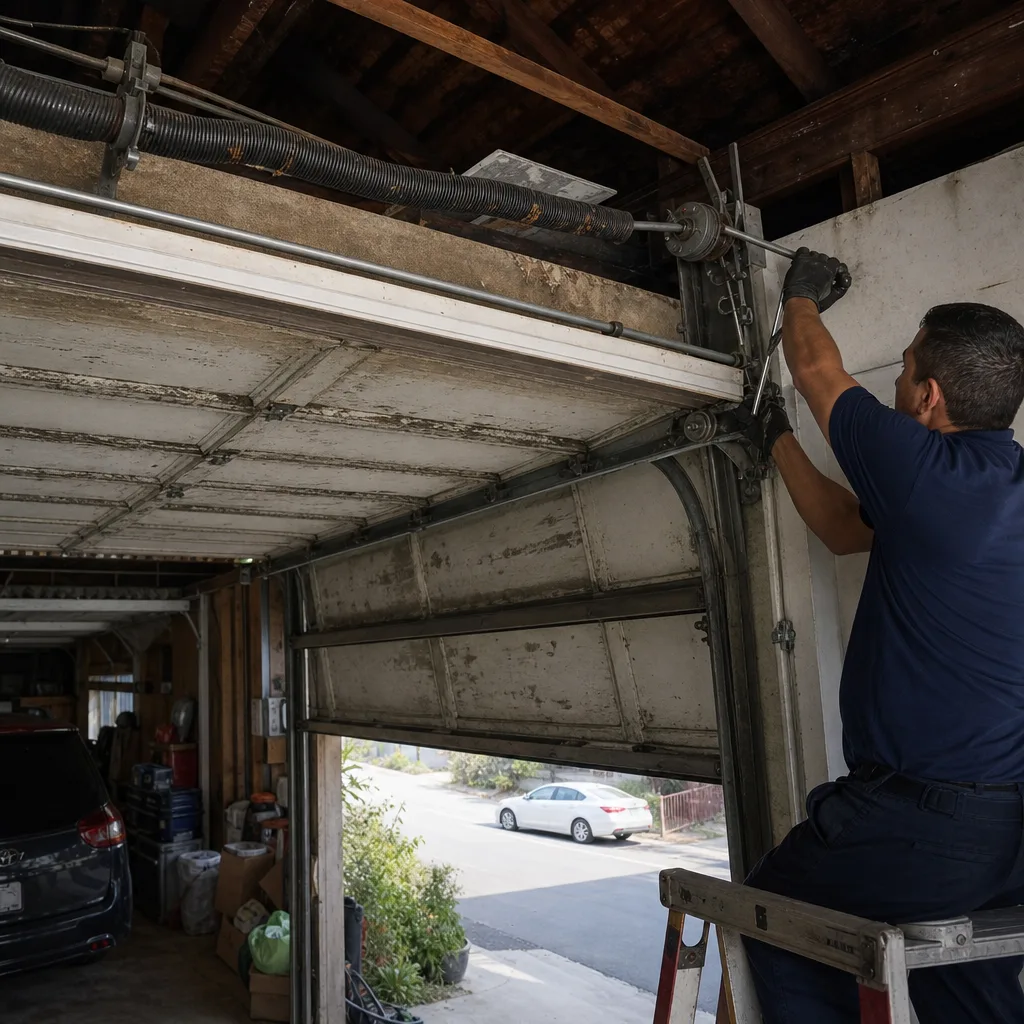 Before
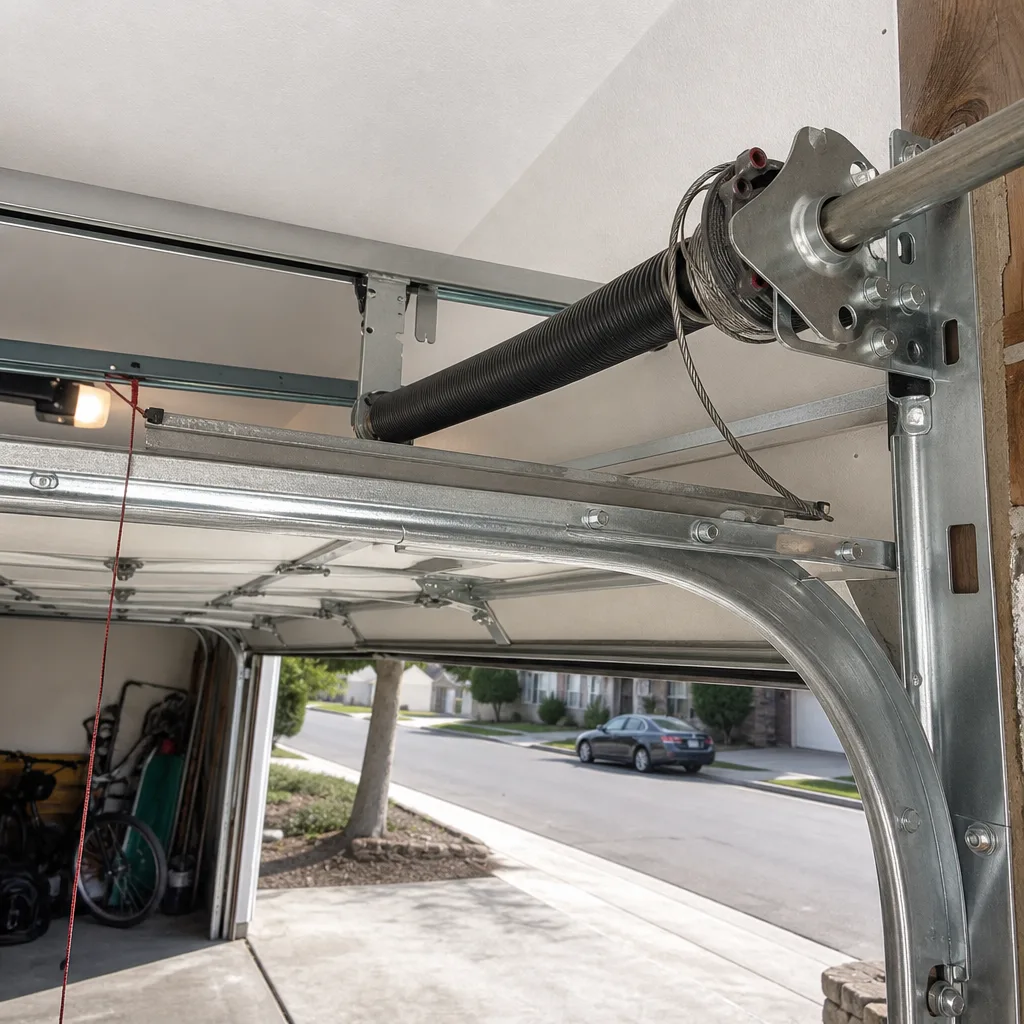 After
 Before
 After
 Before
 After